
Toyota Battery Center of North America Unveiled at Michigan R&D Campus
Source: PR Newswire
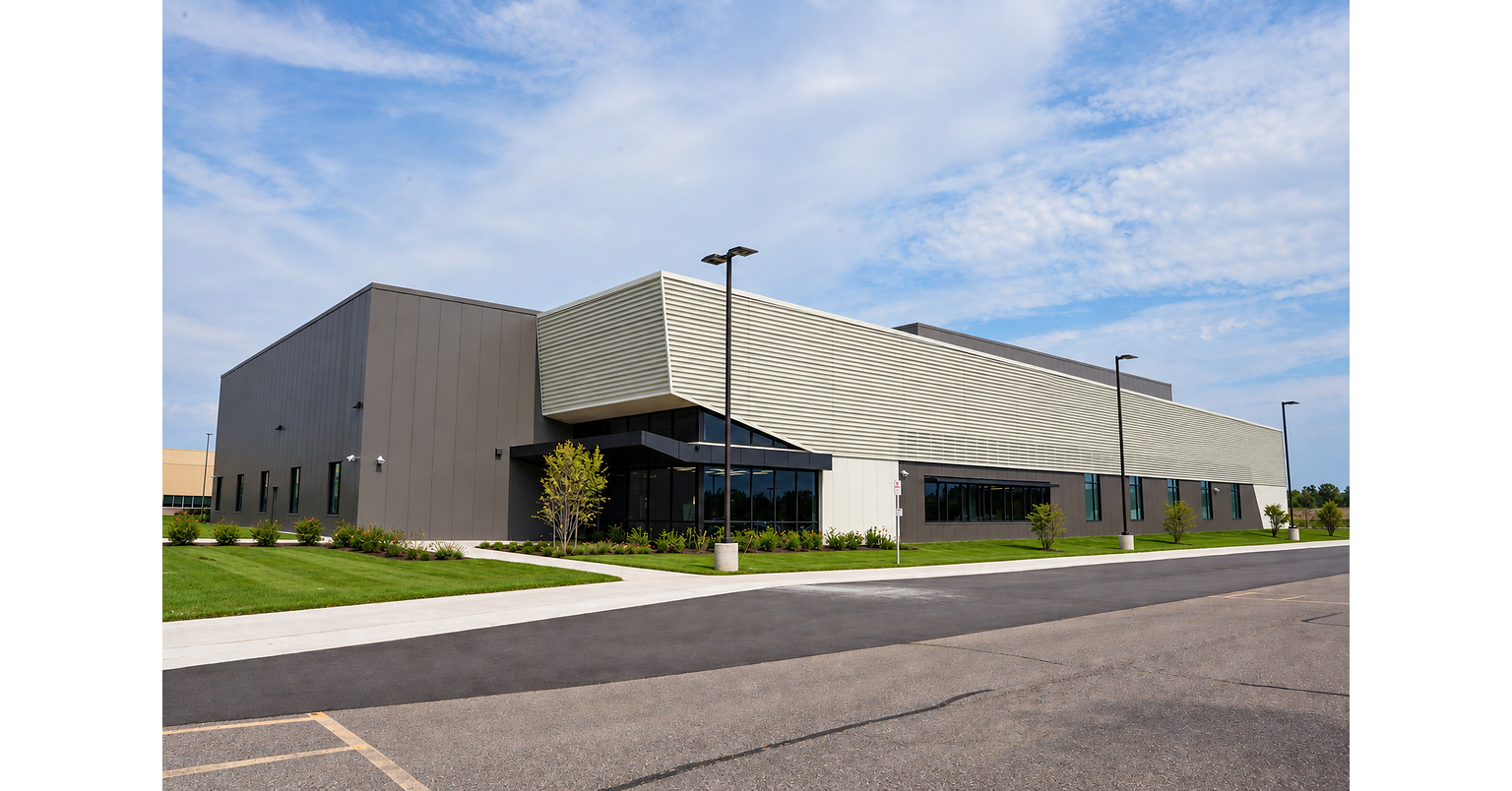
Toyota opened its 30,000-square-foot Battery Center of North America in Saline, Michigan, expanding its capacity to test and develop batteries across sourcing, vehicle applications and recycling. The facility will support Toyota Battery Manufacturing North Carolina and North American vehicle plants, with work spanning hybrid, plug-in hybrid, hydrogen and fully electric vehicles. Toyota will also provide research access through the University of Michigan Electric Vehicle Center, supporting battery-engineering workforce development.
Analysis
This is strategically useful but financially immaterial near term: a development center does not change Toyota's North American production capacity, battery sourcing, or unit economics. The investable implication is a modest reduction in execution risk for TM's hybrid/PHEV-heavy North American product cycle, where localized testing can shorten field-failure feedback loops and potentially protect warranty reserves and residual values. Any valuation benefit requires evidence in 2027 model-year reliability data, not an R&D facility opening.
Toyota's multi-chemistry, multi-powertrain approach creates a second-order advantage if U.S. EV demand remains uneven: greater battery-validation capacity can support product mix flexibility rather than forcing a pure-BEV ramp. This is comparatively constructive for TM versus BEV-only OEMs exposed to price cuts and utilization risk, but it is not necessarily bullish for battery-cell suppliers; in-house evaluation increases Toyota's leverage in supplier qualification and warranty negotiations. Watch Korean and Japanese cell vendors with Toyota exposure, particularly Panasonic Holdings (PCRFY/6752), for margin pressure if qualification expands.
The contrarian view is that investors may over-credit this as proof of battery technology leadership. The key bottleneck remains scalable, cost-competitive cell supply and vehicle-platform economics, not test-lab capacity. Over the next 6-18 months, the thesis is falsified if TM's North American electrified mix stalls, incentive spending rises faster than peers, or battery-related warranty/recall provisions do not improve despite broader local validation.
AllMind Terminal
AI-powered research, real-time alerts, and portfolio analytics for institutional investors.
Request TrialMarket Sentiment
Overall Sentiment
moderately positive
Sentiment Score
0.42
Ticker Sentiment
Key Decisions for Investors
- No standalone directional trade on the announcement; treat it as a qualitative positive only. Reassess after TM reports FY2027 North American electrified volume, incentive intensity, and warranty provisions.
- Maintain a 6-12 month relative-quality pair: long TM / short a basket of BEV-pure plays via DRIV or selectively TSLA, sized modestly. The payoff is strongest if U.S. EV adoption remains choppy and hybrids retain pricing power; exit if TM's electrified mix and North American margins both miss guidance.
- Set an alert on TM's next earnings for battery procurement disclosures and North Carolina ramp milestones. A confirmed improvement in battery cost per vehicle or lower warranty accruals would justify adding to TM; absent those metrics, do not assign multiple expansion.
- Monitor PCRFY/6752 and other Toyota cell suppliers for new qualification announcements. Consider supplier-margin downside only if Toyota demonstrates dual-sourcing or materially broader internal validation authority; the current release alone is insufficient evidence.
More News
- GM reports 5.5% decline in third-quarter U.S. sales as EV sales drop
- Detroit Three automakers set to lose market share to Asian rivals
- What Twin Peaks and Coyote vs. Acme teach us about the value of what companies abandon
- Nike Warns Sales Slump Will Worsen This Fiscal Year
- US to send third aircraft carrier towards Iran: US official to Al Jazeera
- Nvidia Faces Questions Over China AI Chip Smuggling Cases