
Galileo Robotics stellt auf der WRC 2026 den Galileo X vor und bricht mit seinem „Embodied Ground Mobility System" mit herkömmlichen Bauformen
Source: PR Newswire
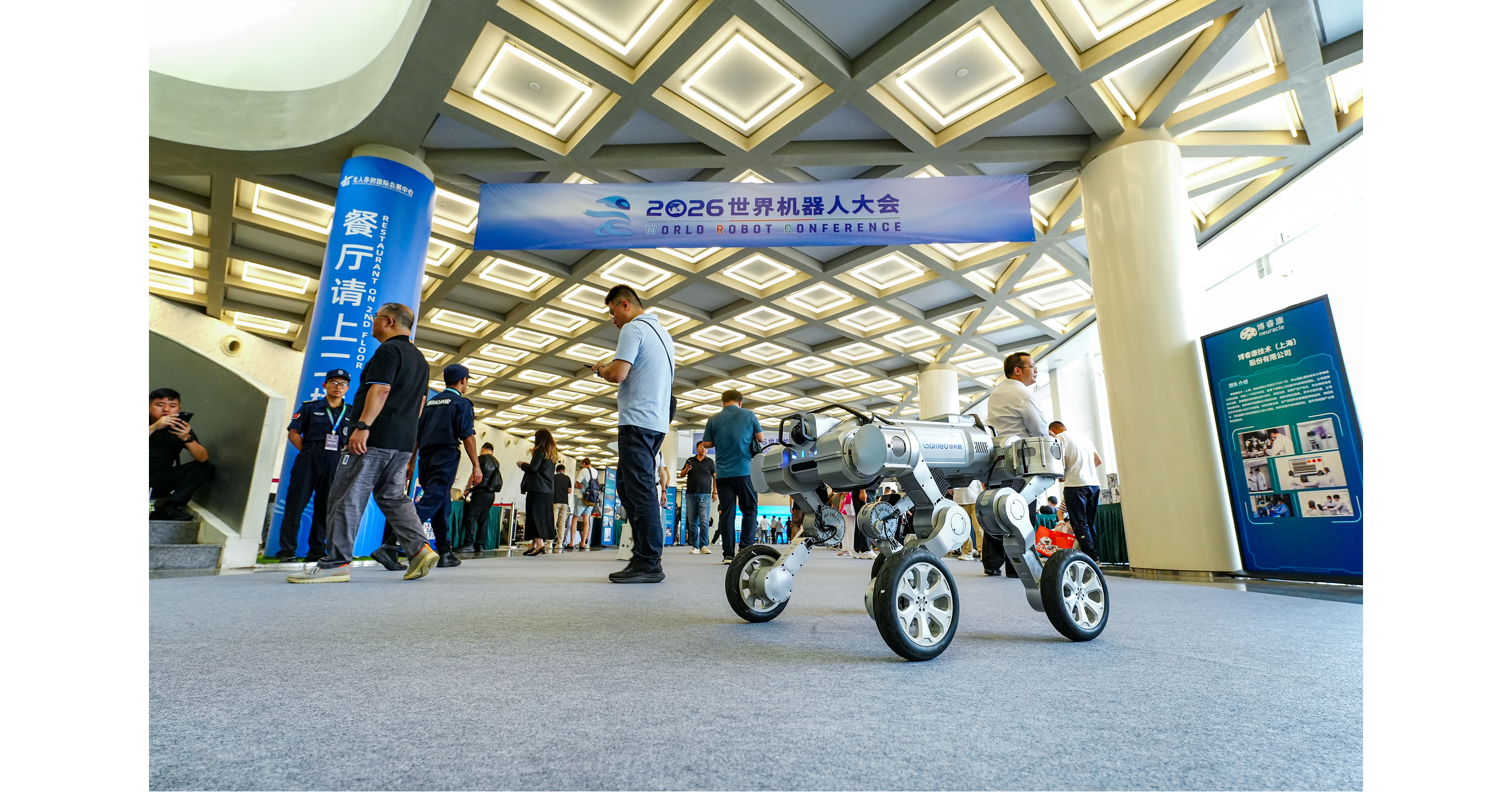
Galileo Robotics stellte auf der World Robot Conference 2026 den Galileo X vor, eine universelle Ground-Mobility-Plattform mit seinem „Unified Embodied Ground Mobility System“, das rad-, fahrzeug- und beinbasierte Ansätze über ein integriertes Steuerungsframework zusammenführt. Das System zielt auf geringere Koordinationskomplexität und niedrigere Wartungskosten über den Lebenszyklus sowie auf Einsatz in schwierigem Gelände, Lagerlogistik, Richtungstransport, Inspektion und als Basis für humanoide Robotik. Zusätzlich kündigt das Unternehmen ein offenes Ökosystem mit geöffneten Hardware-/Software-Schnittstellen und die Beschleunigung der globalen Kommerzialisierung an.
Analysis
This reads more like a platforming attempt than a near-term revenue event. The key market implication is that the competitive battleground in robotics is shifting from single-form-factor hardware to stack control: whoever can reuse software, perception, and motion planning across multiple use cases should earn better pricing power and lower support costs. That is a headwind for niche AGV and quadruped vendors that compete on one narrow spec, and a longer-term tailwind for component suppliers only if the platform scales beyond pilot programs.
Near term, the signal is mostly sentiment. Customers in industrial automation buy uptime and service coverage, so the next 1-3 months matter only if this leads to disclosed pilot conversions, channel partners, or repeat orders; otherwise the equity impact is just thematic beta. Over 6-18 months, the upside case is real margin expansion from SKU simplification, but the downside is equally clear: one safety issue, weak field reliability, or export friction can turn a 'unified platform' story into an expensive integration burden.
The contrarian view is that the market may overestimate how quickly a universal base translates into revenue. A broad platform can actually slow procurement if buyers fear a single failure domain, and open ecosystems often dilute moat by inviting copycats. For public comps, the more important data will be gross margin, service revenue mix, and overseas deployment pace—not product demos.
AllMind Terminal
AI-powered research, real-time alerts, and portfolio analytics for institutional investors.
Request TrialMarket Sentiment
Overall Sentiment
mildly positive
Sentiment Score
0.25
Key Decisions for Investors
- Do not chase the headline in BOTZ/ROBO today; treat it as a sentiment event unless follow-on orders or partner disclosures appear within 1-3 months.
- Conditional trade: long BOTZ / short XLI on any pullback if robotics momentum persists, targeting relative outperformance over 1-3 months with a stop if BOTZ underperforms XLI by ~4% or the theme fades.
- Set a watch item on NVDA and AVGO for second-order edge-compute content; only add exposure if later customer disclosures show meaningful onboard AI silicon, otherwise no trade.
- If the robotics basket gaps higher on the news, sell strength rather than add—this is a valuation optionality story, not yet a verified cash-flow story.
More News
- Is Trump signalling a return to war with Iran after the midterms?
- Is AI the new China Shock?
- Why is T-Mobile stock tumbling today?
- This exchange stock is a buy on renewed options deal, Morgan Stanley says
- India calls JD Vance's comments about immigrants 'deeply offensive'
- The AI race may be decided by financing—not just better chips
From AllMind Research
- Anthropic IPO Preview: Valuation, Timing, and What to Watch
- Shein After the IPO: Venue, Valuation, and What Must Be Proved
- What AI Research Tools Should a Small Hedge Fund Buy First?
- Document Search Enhancements, AI Enhancements, AI Actions, & Chat Export
- AI Vendor Landscape for Institutional Investment Teams