
Lenire nun in den klinischen Praxisleitlinien der US-amerikanischen HNO-Gesellschaft aufgenommen - erste neue Behandlungsmethode, die von der American Academy of Otolaryngology seit der Einführung ihrer Tinnitus-Leitlinien hinzugefügt wurde
Source: PR Newswire
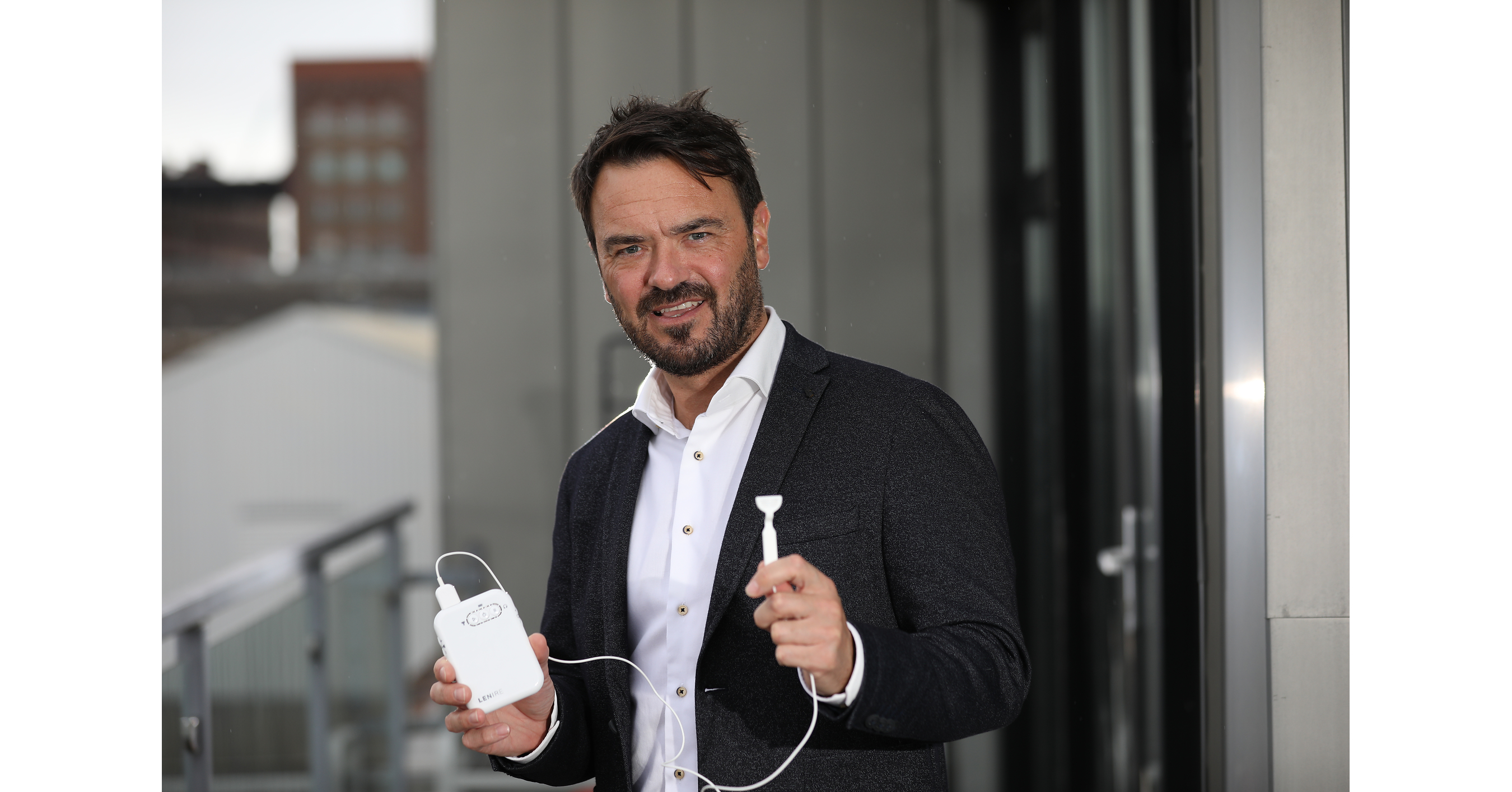
The American Academy of Otolaryngology–Head and Neck Surgery Foundation added Neuromod Devices’ Lenire bimodal neuromodulation device as a tinnitus treatment option in its clinical practice guidelines, the first new treatment recommendation since the guidelines were introduced in 2014. The article cites real-world studies in which 91.5% of tinnitus patients and 81.8% of patients with bothersome tinnitus reported clinically significant reductions; Lenire received FDA authorization in 2023. The guideline inclusion strengthens the device’s clinical endorsement and potential reach among more than 12,000 U.S. practicing otolaryngologists.
Analysis
The guideline change is a demand-enablement signal, not proof of near-term revenue conversion. It may lower physician friction and support referrals, but adoption still depends on clinician training, patient affordability, treatment completion, reimbursement/VA coverage, and the exact strength and wording of the guideline recommendation. The release is Neuromod’s; its efficacy and “standard of care” language should be checked against the guideline text and independent evidence. The high response rates cited from retrospective real-world analyses do not establish comparative effectiveness or broad uptake.
Over 1–3 months, watch for clinics adding Lenire, referral volume, and payer/VA coverage changes. Over 6–18 months, published utilization and outcomes could improve access and strengthen the commercial case; conversely, weak reimbursement or limited capacity among qualified providers could cap conversion. More physician attention may also benefit established tinnitus approaches—CBT, hearing aids and sound therapy—rather than displace them, especially if clinicians use combination care. Competitors may respond with their own evidence or device claims.
Neuromod is not identified as a publicly traded company in the supplied data, so there is no clean direct equity trade. The contrarian point: a guideline mention can be commercially meaningful while remaining a modest catalyst if it is not a strong recommendation and does not change payment. No broad healthcare trade is justified on this release alone.
AllMind Terminal
AI-powered research, real-time alerts, and portfolio analytics for institutional investors.
Request TrialMarket Sentiment
Overall Sentiment
moderately positive
Sentiment Score
0.55
Key Decisions for Investors
- No direct position: Neuromod is not mapped to a listed ticker, and the announcement alone does not support a public-equity proxy trade.
- Treat this as a watch item for hearing-care exposure. Verify the guideline’s recommendation strength and any stated evidence limitations, then track clinic adoption, treatment volume, and reimbursement or VA coverage over the next 1–3 months.
- Reassess the commercial thesis over 6–18 months against independently reported utilization and outcomes. The thesis weakens if adoption remains limited, coverage does not broaden, or subsequent evidence fails to replicate the reported real-world benefit.
More News
- BlackRock, GIC among investors chasing Indian telecom major Jio's IPO as anchor bids top $26 billion
- Gartner analyst behind tech rout: AI returns are not yet large enough to justify neocloud build-out
- Walmart’s Flipkart is quietly building a food delivery challenger in India
- Credit stress is threatening to unwind the AI bull. All eyes are on Oracle to hold the line
- LightStream stops accepting loan applications. Try these 6 lenders instead
- ’Panic’ selling hits Indonesian markets on MSCI expulsion threat
From AllMind Research
- Anthropic IPO Preview: Valuation, Timing, and What to Watch
- Shein After the IPO: Venue, Valuation, and What Must Be Proved
- What AI Research Tools Should a Small Hedge Fund Buy First?
- AllMind Discusses Ontario's AI Economy with Minister Stephen Crawford and Supply Ontario CEO James Wallace
- AI Research Tools for SEDAR+, UK and ASX Filings