
CDTL to Showcase E-Drive and EMB at IAA Transportation 2026
Source: PR Newswire
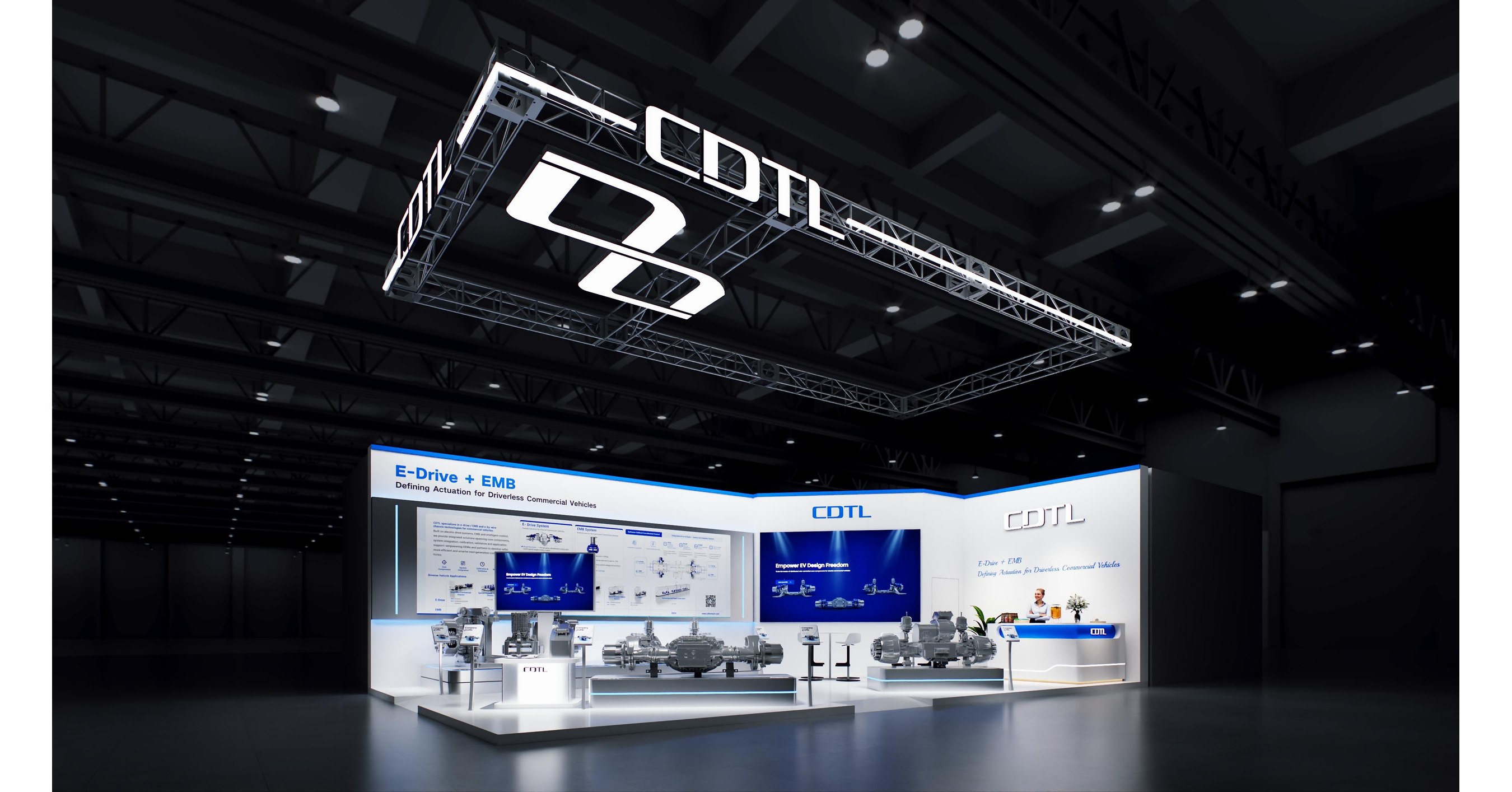
CDTL will showcase its EA5000NP distributed e-axle for heavy-duty commercial vehicles and electromechanical braking (EMB) systems at IAA Transportation 2026 in Hannover, held September 15-20. The company positions integrated e-drive and EMB technology as the vehicle-actuation layer for electrified, software-defined and autonomous commercial vehicles. CDTL said its distributed e-drive products are already deployed across multiple commercial-vehicle platforms and international markets, but the announcement provides no financial guidance, contracts, or sales figures.
Analysis
This is not yet an investable OEM-program catalyst: a trade-show demonstration and unquantified deployment claim do not establish contracted volume, homologation status, unit economics, or warranty exposure. The relevant read-through is that wheel-end actuation is becoming a higher-value subsystem in autonomous and battery-electric trucks, shifting content value away from conventional pneumatic/hydraulic components and toward power electronics, redundant controls, sensing, and functional-safety software.
The most exposed incumbents are commercial-braking suppliers such as Knorr-Bremse (KBX.DE), while BorgWarner (BWA), Dana (DAN), and Aptiv (APTV) face a mixed outcome: electrified axle content expands, but integrated suppliers may see pricing pressure if Chinese component makers win export platforms. The harder technical bottleneck is not torque generation; it is fail-operational braking redundancy, thermal durability, electromagnetic compatibility, and certification. Those requirements favor established Tier-1s unless a lower-cost entrant can demonstrate fleet reliability through multiple winter/summer duty cycles.
Near term, IAA commentary could modestly improve sentiment around autonomous-commercial-vehicle suppliers, but there is insufficient evidence for a directional position. Over 6-18 months, watch for named European or North American OEM awards, production start dates, and disclosed annual unit volumes; these would determine whether the technology is a niche demonstration or a credible challenge to incumbent actuation suppliers. A sharp slowdown in electric-truck adoption, or regulators retaining conservative pneumatic-brake redundancy requirements, would defer the addressable market materially.
Consensus may overestimate the speed at which electromechanical braking displaces legacy systems in heavy trucks. Passenger-vehicle analogies are weak: fleet operators assign substantial value to serviceability, downtime predictability, and proven brake performance under high-load towing. The likely first commercial payoff is therefore in controlled-route buses, ports, and automated transit rather than broad long-haul trucking adoption.
AllMind Terminal
AI-powered research, real-time alerts, and portfolio analytics for institutional investors.
Request TrialMarket Sentiment
Overall Sentiment
mildly positive
Sentiment Score
0.25
Key Decisions for Investors
- No immediate position based solely on this release; set an event alert for IAA press-day disclosures of named OEM customers, SOP dates, certification status, and annual volume commitments.
- Maintain a 6-12 month watchlist pair: long KBX.DE versus short DAN only if verified OEM awards show electromechanical braking content gaining share faster than conventional axle/brake content. Do not initiate without award data; falsify if Knorr-Bremse reports sustained order-book growth in conventional commercial-vehicle braking or if EV-truck production forecasts are cut.
- For broad electrified-commercial-vehicle exposure, prefer BWA over pure axle suppliers on confirmation of production programs: its inverter/e-motor capability can monetize electrified propulsion regardless of which brake architecture wins. Reassess after the next earnings cycle if commercial-vehicle e-product revenue or margins miss guidance.
- Monitor APTV as a second-order autonomy beneficiary rather than a direct brake trade. A vehicle-actuation architecture only creates incremental value if OEMs pair it with higher-level automated-driving deployments; absence of fleet autonomy contracts over the next 12 months limits the upside.
More News
- Are global oil reserves sufficient to withstand renewed US-Iran war?
- OpenAI Trims Target Value & Volvo Cars Cuts 2,500 Jobs
- U.S. oil holds above $100, Brent at five-month high as Iran says it’s prepared for warfare
- The mobile ambitions of SpaceX see telecom stocks get hit again. What the latest developments mean.
- Volvo Cars shares plunge 25% amid China sales slump and fresh job cuts
- Volvo Cars to cut 2,500 jobs as third quarter swings to loss