
Insurance Professional Chuck Montgomery Explains How to Evaluate Insurance Coverage for Home Rebuilding in HelloNation
Source: PR Newswire
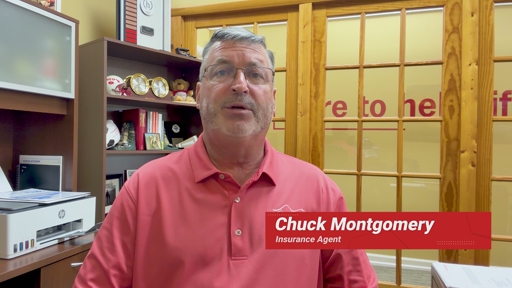
HelloNation’s article, featuring insurance professional Chuck Montgomery, says homeowners should assess dwelling coverage against the cost of rebuilding the physical structure—not the home’s market value. Renovations, additions, changing labor and materials costs, specialized features, and updated building-code requirements can affect reconstruction expenses; policy terms and any extended replacement provisions vary.
Analysis
This is an educational coverage reminder, not evidence of a new loss trend, premium increase, or insurer earnings inflection. The investable mechanism is a potential lag between replacement-cost inflation and insured limits: after a catastrophe, higher labor/material costs and code upgrades can raise claim severity, while policy limits and endorsements determine how much of that increase insurers retain versus policyholders bear. A broad repricing benefit for homeowners insurers is not automatic; regulatory approval, renewal timing, competition, and customer affordability can delay or limit rate recovery. Brokers may see modest servicing demand from coverage reviews, but the article offers no evidence of material incremental revenue.
Near term, no trade signal. Over 1–3 months, monitor catastrophe losses, renewal rate filings, and insurer commentary on severity and rate adequacy. Over 6–18 months, persistent construction-cost inflation or code-related claim costs could pressure underwriting margins where pricing lags; conversely, adequate rate increases and tighter terms could offset exposure. The contrarian point is that higher rebuilding costs do not necessarily accrue to insurers as higher covered losses: underinsurance, deductibles, exclusions, and coverage disputes can shift costs to homeowners, potentially limiting insurer severity while worsening customer outcomes. Falsify an insurer-margin-pressure thesis if reported homeowners loss trends stabilize and approved pricing keeps pace with severity; strengthen it if catastrophe-adjusted loss ratios deteriorate or rate filings trail rebuilding-cost inflation. The source is promotional and supplies no carrier-level or market data.
AllMind Terminal
AI-powered research, real-time alerts, and portfolio analytics for institutional investors.
Request TrialMarket Sentiment
Overall Sentiment
neutral
Sentiment Score
0.00
Key Decisions for Investors
- No position based on this article alone; it contains no independently verified estimate of coverage gaps, insurer exposure, or changed pricing.
- For U.S. homeowners P&C insurers, track catastrophe-adjusted loss ratios, renewal rate approvals versus construction-cost trends, and any commentary on replacement-cost model updates; treat deterioration without pricing catch-up as the key negative trigger.
- Watch for post-catastrophe regional contractor/labor inflation and code-upgrade costs as a 1–3 month severity catalyst; distinguish covered claims from costs borne by policyholders through limits, deductibles, or exclusions.
- Revisit the sector thesis over 6–18 months only if repeated earnings disclosures show severity outpacing earned premium. A stabilizing loss trend with rate adequacy would invalidate the bearish underwriting read.
More News
- Why is the Chinese stock market missing the AI rally
- SpaceX makes big move into wireless. These once 'obsolete' tech stocks could benefit
- Wall Street is pitching data centers as a major real estate bet. The risks are piling up
- OpenAI’s $70B AI Boom, Goldman Leads Wall Street Trading Surge
- Votes and Verdicts: Don Layton on Fannie, Freddie’s Future
- ‘A very leaky pipeline’: 1.7 million trade jobs will open each year through 2035—and experts are scrambling to figure out how to fill them