
Micron: My DCF And Valuation Multiple Analysis Confirm It Is Still Cheap
Source: seekingalpha.com
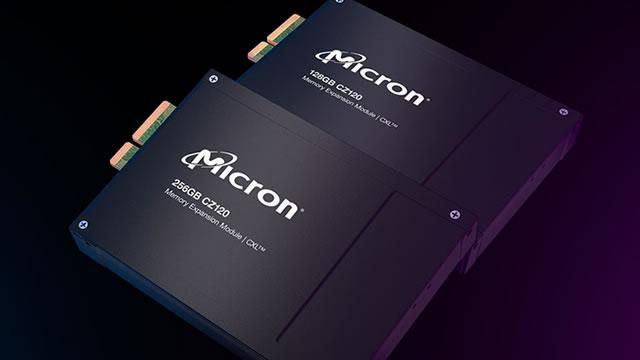
The analyst assigns Micron a Strong Buy rating and estimates DCF fair value at $1,500.36 per share, 52.5% above current levels. The bullish thesis cites AI-driven memory demand, multi-year strategic customer agreements, cost controls, and comparatively strong growth and profitability metrics alongside a valuation discount.
Analysis
The actionable signal is not the stated fair value; it is whether Micron can turn AI-related demand into durable, contract-backed returns through a memory upcycle. A DCF is unusually sensitive here: modest changes in peak pricing, HBM mix, capex, or the assumed duration of elevated margins can move value materially. Multi-year customer agreements reduce demand visibility risk only if they support firm volumes and economics; they do not by themselves eliminate pricing, execution, or customer-concentration risk.
Near term, the bullish framing can support sentiment, but the article provides no independently verifiable valuation inputs or evidence that the forecast is differentiated from market expectations. Over 1–3 months, watch Micron’s HBM shipment trajectory, realized pricing, capex and gross-margin guidance, alongside customer qualification and supply updates. Over 6–18 months, added capacity from Micron and competitors—including SK hynix and Samsung Electronics—could ease scarcity and pressure pricing; that is the key second-order risk to extrapolating peak profitability. The thesis weakens if HBM growth fails to translate into margin or cash-flow improvement, or if supply additions outpace demand. Treat the target as a scenario, not a catalyst or price anchor.
AllMind Terminal
AI-powered research, real-time alerts, and portfolio analytics for institutional investors.
Request TrialMarket Sentiment
Overall Sentiment
strongly positive
Sentiment Score
0.55
Ticker Sentiment
Key Decisions for Investors
- Do not initiate a position solely on the DCF target. First verify the model’s HBM volume, pricing, margin, capex, and terminal-value assumptions; the article does not provide them.
- Conditional trade: after results or guidance confirm rising HBM shipments and improving gross-margin/cash-flow conversion, consider a 3–6 month MU call spread with a defined debit and strikes set from then-prevailing spot and implied volatility. Skip it if option premium prices in an aggressive upside case.
- For the next 1–3 months, track HBM customer qualification, shipment outlook, realized pricing, and capex commentary from Micron and major competitors. A supply ramp without corresponding demand or margin upgrades would falsify the bullish earnings-leverage thesis.
- Avoid treating the stated upside as a reliable return forecast. Reassess if Micron’s guidance or reported margins roll over, or if competitor capacity additions and memory pricing indicate tightening is reversing.
More News
- Applied Materials’ $5 billion AI lab aims to cut chip development time in half—and restore Silicon Valley’s edge
- Why this little known Chinese chipmaker has caused a global stock rout
- Meta shares rise for a second straight day as new AI model family impresses
- Global chip selloff deepens as AI worries, China competition weigh
- Wall St edges lower as chips fall; markets assess big bank earnings
- Why Micron (MU) stock is crashing today
From AllMind Research
- Anthropic IPO Preview: Valuation, Timing, and What to Watch
- Shein After the IPO: Venue, Valuation, and What Must Be Proved
- What AI Research Tools Should a Small Hedge Fund Buy First?
- Weekly Update: In-App Tutorials, Futures Data, and Watchlist Enhancements
- AI Tools for Independent Research Firms: A Publishing System