
ZenWTR® REIMAGINES PREMIUM WATER WITH EXCEPTIONAL TASTE, FORWARD-THINKING DESIGN AND THE PLANET IN MIND
Source: PR Newswire
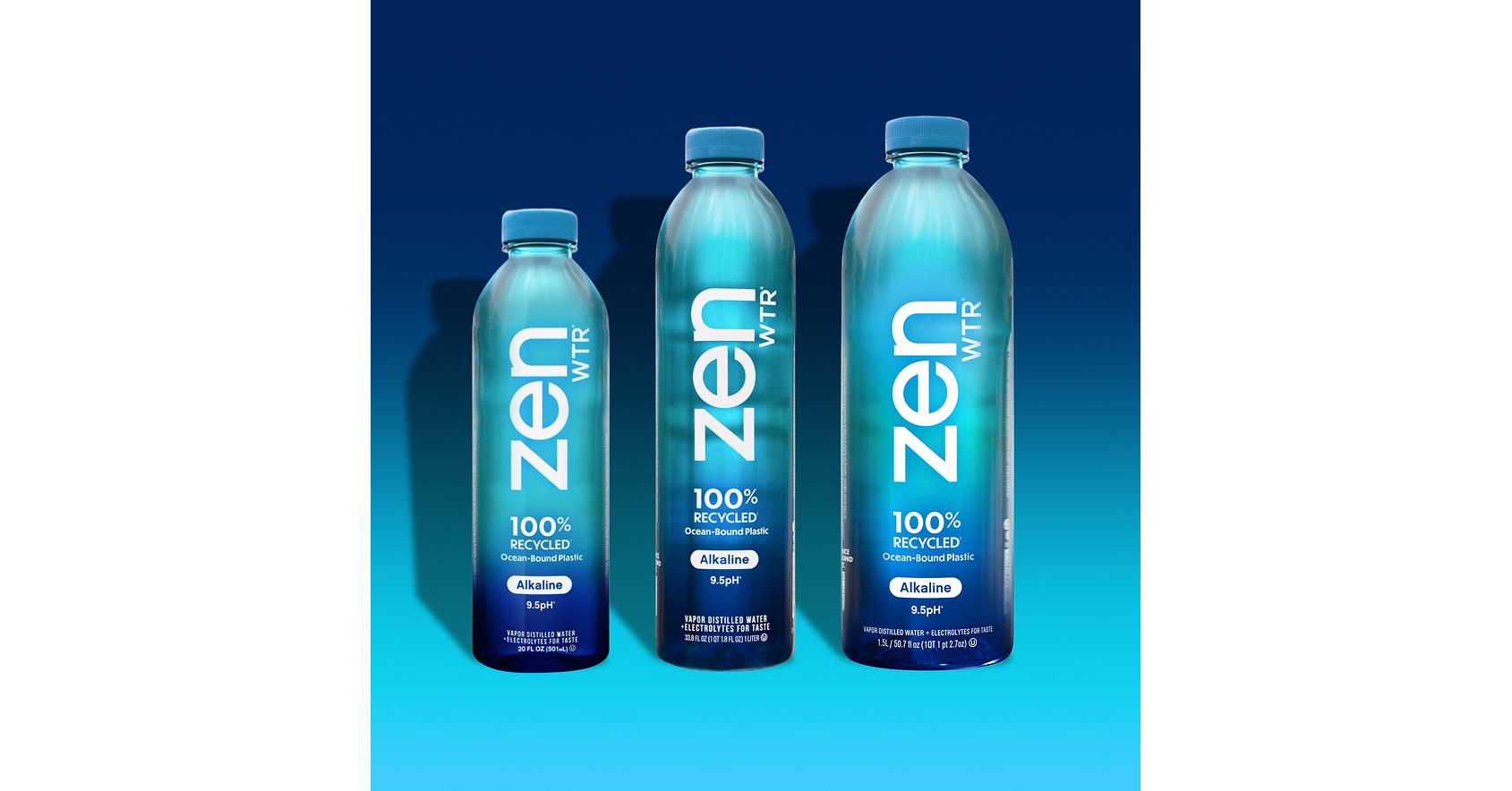
ZenWTR promoted its premium vapor-distilled alkaline water with a pH of 9.5 and announced expanded retail availability, including H-E-B beginning October 5. Its flagship 20-ounce bottle uses 100% recycled certified ocean-bound plastic, while the company says it supports recovery and recycling equal to 200% of its annual plastic footprint and commits 1% of revenue to ocean conservation and recycling initiatives. The privately backed brand is positioning sustainability-focused packaging and broader distribution as differentiators in the premium bottled-water market.
Analysis
This is not presently investable news for AMZN or WMT: premium-water sell-through is too small to affect consolidated revenue or margins, and expanded shelf availability primarily transfers execution risk to the private brand. The relevant near-term read-through is whether a sustainability-led premium product can earn velocity without promotional support; neither retailer’s assortment announcement establishes that. ULCC has no identifiable economic linkage, while NOS should not be treated as a public-market proxy for the legacy beverage brand referenced in the release.
The more meaningful competitive implication is for scaled hydration incumbents—KDP (Core Hydration), PEP (LIFEWTR/Gatorade) and KO (smartwater/BodyArmor)—if ocean-bound recycled PET becomes a consumer-recognized point of differentiation. In the next 6-18 months, successful adoption could raise recycled-resin procurement costs and packaging-compliance spending across the category, favoring companies with long-term resin contracts, bottling scale and distribution density. Conversely, premium alkaline water remains a crowded, low-switching-cost segment; functional claims and celebrity backing are unlikely to sustain pricing unless repeat purchase velocity materially exceeds conventional bottled water.
The key falsifier is independently observable retail data: sustained distribution expansion accompanied by strong unit velocity and limited discounting over the next 1-3 months. If the brand requires heavy promotions or loses shelf space after initial resets, the likely effect is category fragmentation rather than a durable premiumization cycle. Plastic-negative certification should also be treated as a marketing attribute, not a valuation catalyst, until recovery-credit costs and verification standards become financially material or regulated.
AllMind Terminal
AI-powered research, real-time alerts, and portfolio analytics for institutional investors.
Request TrialMarket Sentiment
Overall Sentiment
mildly positive
Sentiment Score
0.32
Ticker Sentiment
Key Decisions for Investors
- No directional trade in AMZN, WMT, ULCC or NOS on this release; expected earnings sensitivity is de minimis and the cited NOS reference is not a reliable ticker linkage.
- Create a 1-3 month watchlist for KDP, PEP and KO around syndicated scanner data: investigate a relative long only if ZenWTR demonstrates sustained premium-water velocity without promotional intensity, signaling a broader premium/ESG packaging upgrade cycle.
- For KDP, monitor Core Hydration’s shelf-space and promotional trends through the next two quarterly channel checks. A measurable share loss in premium water combined with rising packaging costs would be a more credible catalyst for relative underperformance versus PEP or KO than this announcement alone.
- Treat recycled-PET pricing and availability as the structural variable: a sustained increase in food-grade rPET spreads, coupled with new packaging mandates, would favor scaled beverage operators operationally but pressure gross margins before price increases are passed through.
More News
- Generac's stock soars more than 30% after Amazon deal cements its status as AI power player
- Hyperscaler debt signals warning sign, Apollo cautions
- US retail sales rebound more than expected in August; import prices surge
- Why is Snap stock climbing after-hours today?
- Snap tries to make the case again for its $2,200 smart glasses
- Anthropic IPO Date: What Investors Need to Know Before It Prices