
BLUETTI, BSW-Solar, Shelly Group et Flatpeak réunissent les acteurs du secteur à l'IFA 2026 pour façonner l'avenir d'une énergie plus intelligente
Source: PR Newswire
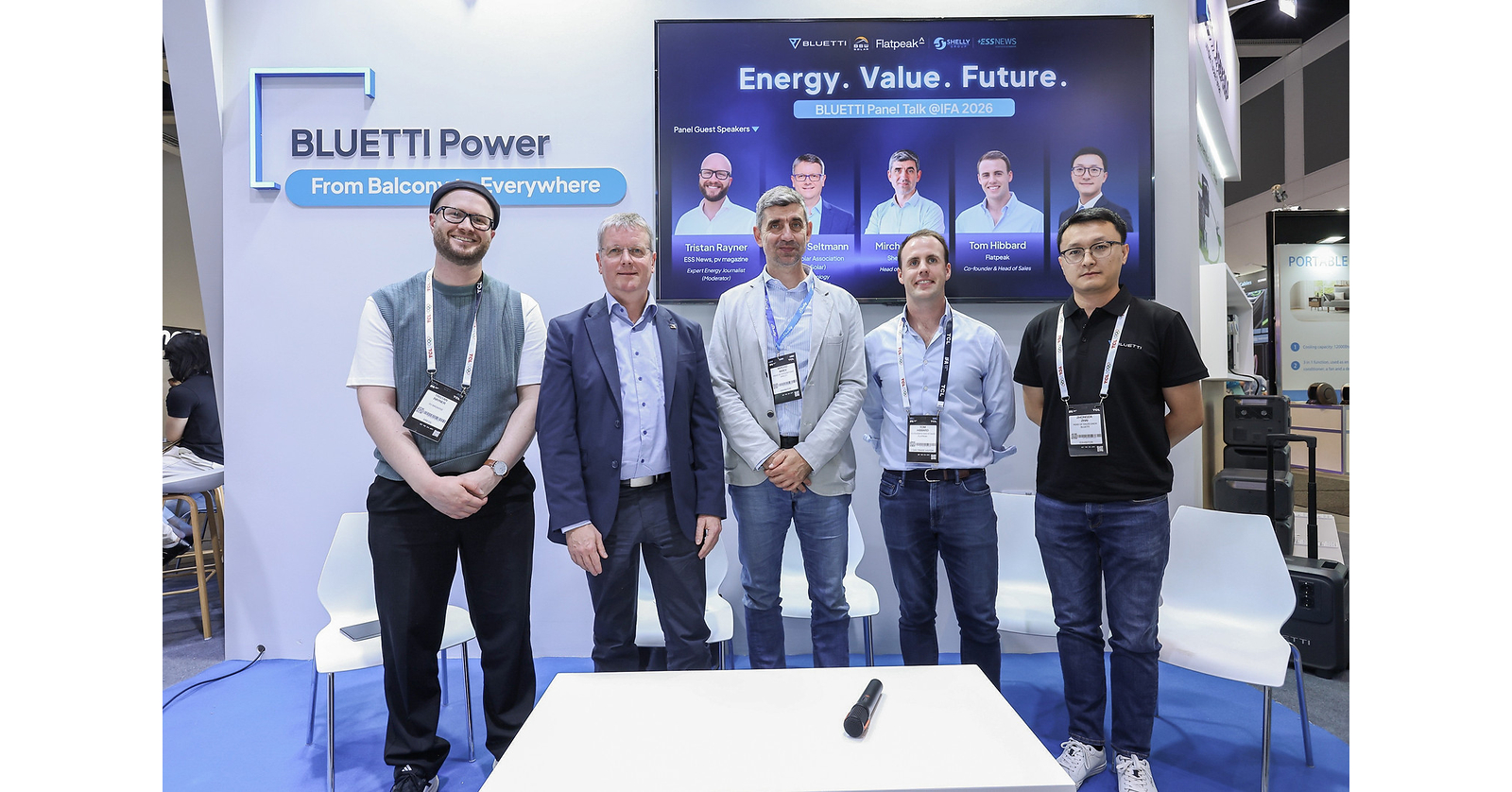
À l’IFA 2026, BLUETTI réunit BSW-Solar, Shelly Group et Flatpeak pour discuter d’une “énergie intelligente” portée par le solaire, le stockage domestique et l’IA. Les intervenants mettent en avant l’usage de données tarifaires en temps réel pour piloter la recharge/décharge des batteries selon le coût et l’empreinte carbone, et l’importance de normes d’intégration ouvertes et de sécurité (ex. norme sur les appareils solaires enfichables publiée fin 2025). L’article est surtout prospectif et ne fournit pas de chiffres financiers, mais souligne des leviers concrets d’adoption et de création de valeur pour les ménages.
Analysis
This reads more like a category-validation event than a monetizable catalyst. The investable shift is not “more solar” per se, but the migration of value from standalone hardware into the orchestration layer: controls, meters, switchgear, home-energy software, and grid-facing APIs. That generally favors diversified electrification names such as Schneider Electric and ABB over pure-play inverter vendors, because open standards reduce lock-in and make component pricing more competitive.
The second-order loser set is the traditional residential solar hardware stack if interoperability becomes table stakes. If a home battery can arbitrage tariffs automatically, the gross profit pool migrates to whoever owns the pricing signal, the software layer, and the installer relationship; hardware ASPs are at risk of commoditization over 6-18 months. Utilities with high retail exposure also face a slow-burn demand and peak-load headwind as self-consumption and load shifting flatten the evening peak, but that is a measured erosion, not a shock.
Near term, there is little reason to force an event-driven trade: this is a sentiment-positive framework, not evidence of accelerated orders or subsidy changes. The key falsifiers are delayed standards, fragmented country-by-country certifications, or tariff structures that remain too static for battery arbitrage to matter. If dynamic pricing adoption stalls, the AI narrative becomes a feature story rather than a revenue driver.
Contrarian view: the market may be overestimating how quickly consumers adopt integrated energy management. Installation friction, permitting, and cybersecurity concerns often matter more than product capability, so the adoption curve could disappoint even if the technology is compelling. The most likely overreaction would be in high-beta residential solar names on any hype-driven rally, while the more durable opportunity sits in the “picks and shovels” electrification layer.
AllMind Terminal
AI-powered research, real-time alerts, and portfolio analytics for institutional investors.
Request TrialMarket Sentiment
Overall Sentiment
mildly positive
Sentiment Score
0.12
Key Decisions for Investors
- No immediate event-driven trade; treat this as a 6-18 month structural watch item until there is evidence of tariff-driven battery dispatch or regulation that standardizes plug-and-play solar.
- On any rally in residential solar pure plays, favor a short bias in SEDG or ENPH versus a long in SBGSY or ABB: the thesis is that open integration compresses hardware margins while boosting the control/electrification stack. Use a 3-6 month horizon and exit if channel checks show accelerating installer demand.
- Watch E.ON (EOAN.DE) and Enel (ENEL.MI) for slow-burn retail load erosion; consider a tactical short only if European dynamic pricing and self-consumption data start showing measurable peak-load displacement over 2-4 quarters.
- If looking for a cleaner long, accumulate SBGSY on weakness as the more durable beneficiary of home-energy orchestration, with a 6-12 month hold and a stop if residential electrification demand or order growth fails to inflect.
More News
- Putin reportedly suggests summit with Trump and Xi to decide fate of Ukraine
- Ukraine launches over 1,000 drones at Russia, setting oil facilities ablaze
- China's CXMT sees shares drop over 6% as investors look past chipmaker's profit turnaround
- Trump defends Russian sanctions relief, lashes out at Zelenskyy
- China's economic growth quickens to 4.6% as exports surge, stimulus rolls out
- China’s Coal Output Drops as Concerns Build Over Winter Supply
From AllMind Research
- Anthropic IPO Preview: Valuation, Timing, and What to Watch
- Shein After the IPO: Venue, Valuation, and What Must Be Proved
- What AI Research Tools Should a Small Hedge Fund Buy First?
- Can Hedge Funds Use ChatGPT? A Control Framework
- Palantir (PLTR) Q4 2025 Earnings: 70% Revenue Growth, Then an 11% Single-Day Crash