
Keewano Raises $12M and Launches KeewanoDB, the First Database Built for Machine Reasoning at Scale
Source: PR Newswire
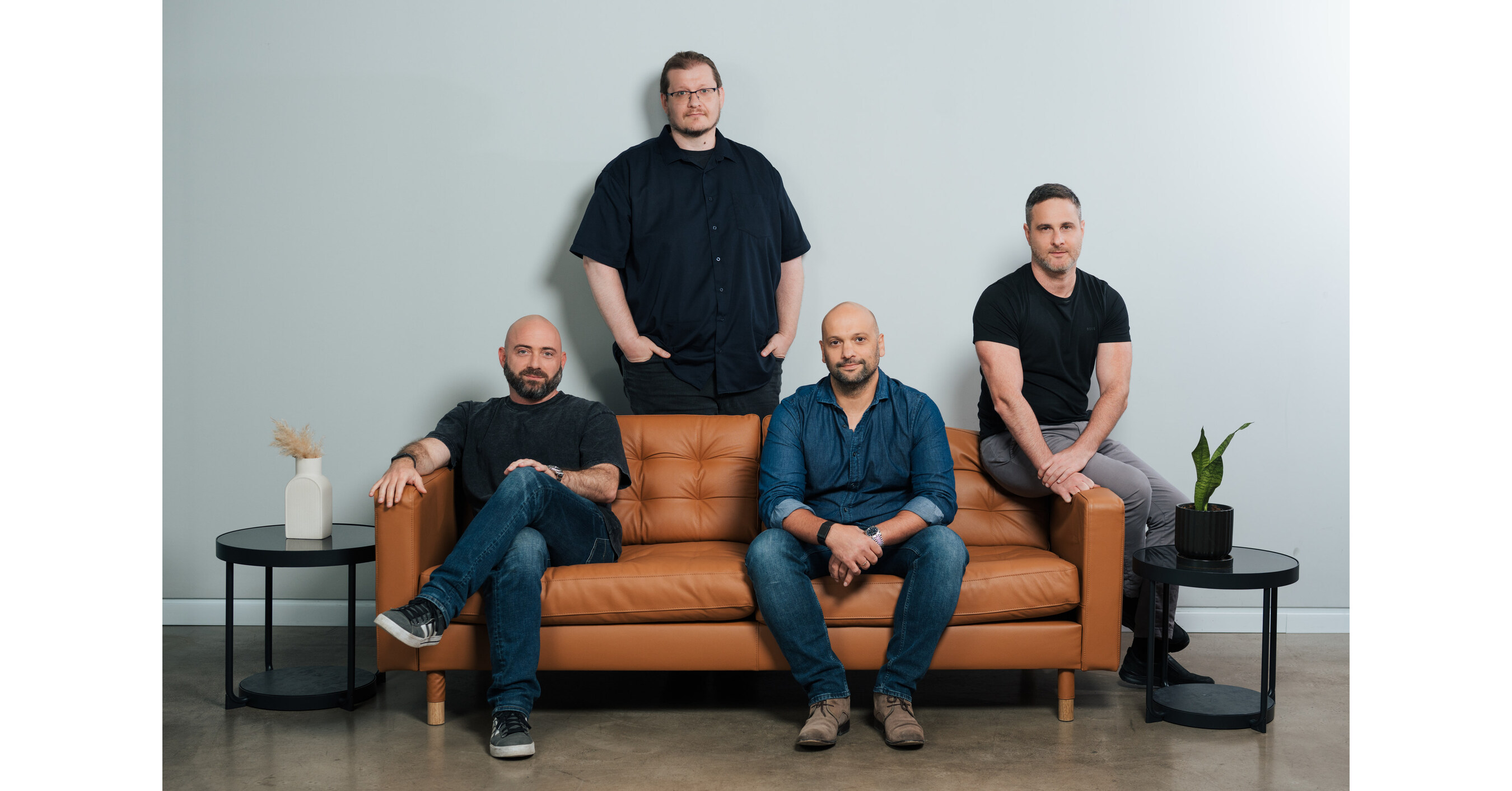
Keewano launched KeewanoDB, an analytics database designed for AI-agent reasoning that retains complete ordered event histories and claims to query 250 million events in under 0.5 seconds. The company says its no-per-event pricing model enables broader data retention while reducing storage and processing overhead for agentic analysis. Founded in 2024, Keewano is backed by Hetz Ventures, a16z speedrun, Remagine Ventures and DIG Ventures; no funding amount was disclosed.
Analysis
This is not yet a public-markets catalyst: the referenced ABRA relationship is historical and does not establish an investable linkage or revenue exposure. The investable read-through is that agentic analytics could shift value from dashboard-layer vendors toward event-storage, streaming, and warehouse platforms that can retain granular behavioral data cheaply. SNOW, MDB, DDOG, CFLT, ESTC and private Databricks/ClickHouse are more exposed to this architectural debate than traditional BI vendors, but a seed-stage entrant alone is insufficient to alter estimates.
The claimed performance and unit economics require independent validation. If enterprises must duplicate data beside an existing warehouse, the near-term outcome may be incremental infrastructure spend rather than displacement; that favors cloud consumption vendors and data-pipeline providers before it harms incumbents. Conversely, if customers can eliminate material warehouse scans or observability-event bills, the eventual pressure is greatest on usage-priced analytics and log-search workloads, particularly where retention limits are driven by cost rather than compliance.
Over the next 1-3 months, monitor design partners, pricing disclosures, benchmark methodology, and integrations with Snowflake, Databricks, AWS, and GCP. Over 6-18 months, the key falsifier for the disruption thesis is whether agent deployments create sustained query volume and measurable churn/retention uplift, rather than remaining an experimental analytics feature. Consensus is likely overestimating the speed of database replacement: governance, semantic-layer integration, and migration risk generally favor coexistence, creating a longer adoption curve than infrastructure marketing implies.
AllMind Terminal
AI-powered research, real-time alerts, and portfolio analytics for institutional investors.
Request TrialMarket Sentiment
Overall Sentiment
moderately positive
Sentiment Score
0.45
Key Decisions for Investors
- No directional position based solely on this announcement; ABRA has no demonstrated public-equity sensitivity and the disclosed claims lack customer-level validation.
- Maintain a 1-3 month watch on SNOW and MDB earnings for commentary on agent-driven query growth versus workload displacement; a material deceleration in consumption growth or pricing pressure would be the actionable confirmation, not startup launch publicity.
- For a higher-conviction agent-data-spend theme, prefer a measured long DDOG versus short a broad legacy BI proxy only after DDOG reports sustained AI-related log/event-volume growth without gross-margin deterioration; invalidate if incremental AI volume is offset by customer sampling or retention cuts.
- Track private-market signals around Databricks and ClickHouse—large enterprise wins, benchmarks, and event-retention economics—as leading indicators. Avoid shorting warehouse vendors unless verified deployments show customers reducing scan/storage spend by at least 10-15%, since coexistence can initially expand total data infrastructure budgets.
More News
- China's AI leaders keep quiet despite U.S. 'publicity' on tech risks
- Karin Rådström is steering Daimler Truck in a new direction as the world’s biggest truckmaker faces a growing challenge from China
- U.S. stock futures drift higher with Fed rate hike in focus
- AWS says it can't restore service to Bahrain, UAE facilities 6 months after Iran strikes
- Treasury yields are hovering above a critical threshold. Here's what it means for stocks
- BlackRock’s Fink, Blackstone’s Gray Back Carney’s Canada Investment Push
From AllMind Research
- Anthropic IPO Preview: Valuation, Timing, and What to Watch
- Shein After the IPO: Venue, Valuation, and What Must Be Proved
- What AI Research Tools Should a Small Hedge Fund Buy First?
- AI Vendor Landscape for Institutional Investment Teams
- AllMind Fixed Income Compass for October 2025: Navigating Policy Divergence and Political Risk