
Chemo-Resistant Pancreatic Tumor Liquefies and Drains Several Months after Receiving Proprietary Intratumoral EpCAM/CD3 Vaccine
Source: PRWeb
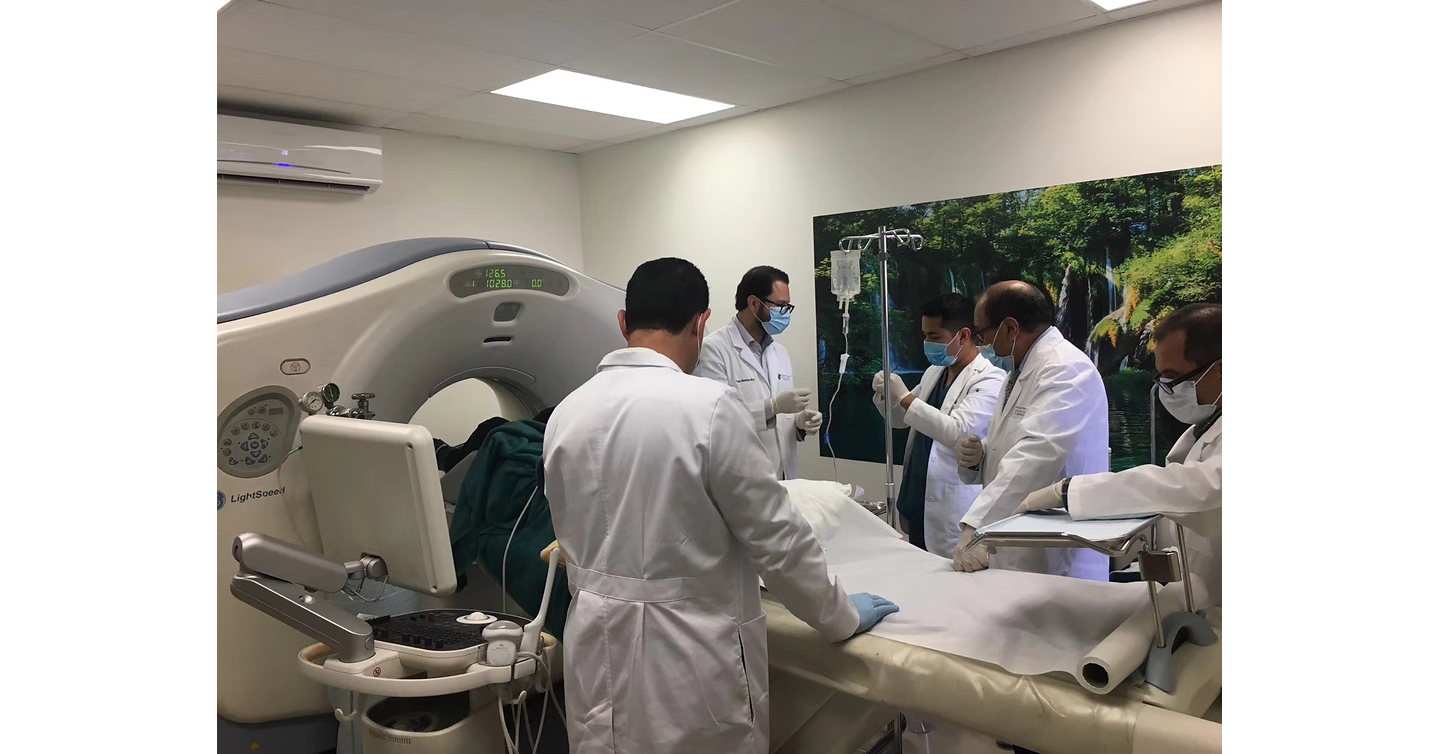
A peer-reviewed single-patient case report from ICCA CancerCare documented a 90% pancreatic-tumor volume reduction and extensive necrosis after a multimodal outpatient treatment regimen in Mexico, following progression on gemcitabine. The 56-year-old patient's tumor cross-sectional area declined 33%, from 101.3 × 93.7 mm in January to 87 × 72.9 mm in May, while follow-up PET/CT showed faint residual pancreatic activity and no metastases. The report does not establish safety or efficacy, and the therapies—including an intratumoral EpCAM/CD3 bispecific antibody—are authorized in Mexico but not approved by the U.S. FDA.
Analysis
This has no near-term earnings read-through for listed oncology companies. A single heavily confounded, locally delivered treatment sequence cannot isolate the contribution of T-cell engagement, checkpoint blockade, radiation, or cell therapies; radiographic necrosis is also not equivalent to durable progression-free survival or overall survival. The absence of a disclosed protocol, adverse-event profile, biomarker selection criteria, manufacturing reproducibility, and independent durability data makes the probability of an investable platform signal very low.
The more relevant 6-18 month implication is conceptual: if local immune activation can be replicated in an immune-excluded solid tumor, it would support renewed interest in intratumoral bispecifics and combination regimens rather than broad systemic CD3 programs. That would favor platform owners with clinical-development and manufacturing scale, including AMGN and MRK, but only after controlled data establish a therapeutic window; systemic cytokine-release risk and on-target/off-tumor EpCAM expression remain central hurdles. Private-clinic publicity may instead raise FDA and cross-border-treatment scrutiny, which is a reputational/regulatory risk rather than a positive catalyst for public biotech.
Consensus should not extrapolate a dramatic imaging outcome into a pancreatic-cancer breakthrough. The key falsifier for the skeptical view would be a peer-reviewed, multi-patient dataset showing RECIST-confirmed responses, durable disease control beyond 6-12 months, treatment-attributable safety, and reproducibility outside the originating center. Until then, this is informationally interesting but economically immaterial.
AllMind Terminal
AI-powered research, real-time alerts, and portfolio analytics for institutional investors.
Request TrialMarket Sentiment
Overall Sentiment
mildly positive
Sentiment Score
0.32
Key Decisions for Investors
- No new position based on this report; maintain neutral exposure to MRK and AMGN because neither has a measurable revenue or pipeline-value read-through over the next 1-3 months.
- Create an event-driven watch alert for the named publication: reassess only if it discloses patient-level durability, grade 3+ adverse events, drug sourcing, and a prospective trial plan. A controlled U.S. IND or registered multi-center study would be the first meaningful valuation catalyst.
- Avoid momentum longs in small-cap solid-tumor immunotherapy names on thematic sympathy. Without a registered trial and independently reproducible response data, any sector move is likely liquidity-driven and vulnerable to reversal within days.
- For 6-18 month monitoring, track clinical updates from AMGN's BiTE franchise and MRK combination-immunotherapy programs for evidence that local delivery can improve solid-tumor efficacy without systemic toxicity; absent that evidence, treat this as no-trade research rather than platform validation.
More News
- OpenAI Trims Target Value & Volvo Cars Cuts 2,500 Jobs
- PG&E’s CEO says AI is ‘the best thing that could’ve ever happened to the grid’
- The mobile ambitions of SpaceX see telecom stocks get hit again. What the latest developments mean.
- OpenAI nears up to $30 billion funding round at $1.25 trillion valuation led by UAE investors
- Citizens raises Union Pacific stock price target on merger progress
- Moderna shares plunge after leak of partial cancer vaccine data