
Spirox führt Hochgeschwindigkeits-Inspektionssystem für TGV-Risse ein, um die Inspektion von Glassubstraten in großen Stückzahlen zu unterstützen
Source: PR Newswire
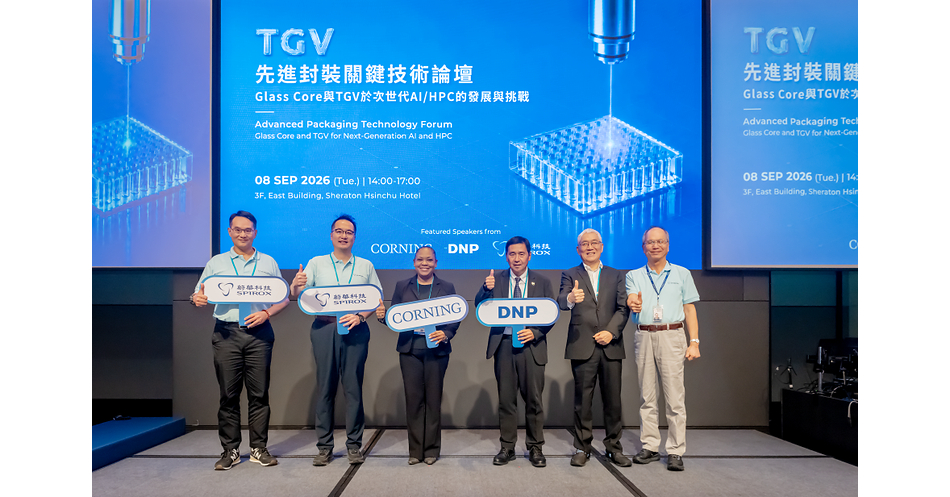
Spirox launched its SP7000G high-speed inspection system for through-glass-via (TGV) crack detection, targeting volume production of glass-core substrates used in next-generation AI, HPC and HBM packaging. The system can scan a full 510 mm × 515 mm glass substrate in under 20 minutes, identifying internal microcracks after metallization and ABF buildup processes. Endorsements from Corning and DNP highlight the potential for non-destructive inspection to improve yield, reliability and quality control as glass-core packaging scales toward mass production.
Analysis
The investable read-through to GLW is modest near term: glass-core adoption expands Corning's addressable materials and application-engineering opportunity, but inspection-tool availability is not evidence of qualified high-volume substrate demand. The more important signal is that yield loss from subsurface defects may become the gating variable for glass-core commercialization. That favors suppliers with process-control exposure—KLA (KLAC), Onto Innovation (ONTO), and Camtek (CAMT)—if customers move from development tools to repeatable inline metrology purchases over the next 6-18 months.
For advanced-packaging beneficiaries such as TSMC (TSM), ASE Technology (ASX), Amkor (AMKR), and Intel (INTC), glass substrates are potentially a longer-dated route to larger AI package formats and improved power delivery, but initially create qualification expense, scrap risk, and slower production ramps. The contrarian view is that the market may be treating glass core as an inevitable AI capacity unlock when the economics depend on substrate yield after metallization, ABF buildup, and thermal cycling—not simply on inspection throughput. A proliferation of defect-analysis tools can signal an unresolved reliability bottleneck rather than an imminent revenue inflection.
Over the next 1-3 months, treat this as a diligence catalyst rather than a GLW earnings catalyst. The thesis strengthens only if TSM, Intel, Samsung, or major substrate vendors disclose production qualifications, customer sampling conversion, or package-level reliability data; it weakens if AI-package roadmaps continue to favor organic substrates and bridge-based architectures. For GLW, the relevant falsifier is absence of glass-substrate revenue commentary or capex/customer-qualification visibility through the next two earnings cycles.
AllMind Terminal
AI-powered research, real-time alerts, and portfolio analytics for institutional investors.
Request TrialMarket Sentiment
Overall Sentiment
moderately positive
Sentiment Score
0.45
Ticker Sentiment
Key Decisions for Investors
- No incremental GLW position solely on this announcement. Maintain any existing exposure only if the next two quarterly calls provide evidence of substrate-related revenue, customer qualification milestones, or dedicated capacity commitments; otherwise this remains too early to affect valuation.
- Create a 6-12 month watchlist long in KLAC and ONTO versus a broad semiconductor-equipment hedge (short SOXX or SMH) if advanced-packaging inspection orders begin appearing in backlog commentary. The trade targets metrology-content expansion while limiting general AI-capex beta; exit on evidence that glass-core programs remain R&D-only.
- Prefer TSM over AMKR for any glass-core upside exposure over 12-24 months. TSM has greater ability to monetize packaging complexity through leading-edge customer integration, whereas AMKR faces higher customer-concentration and qualification-delay risk; reassess if AMKR announces named high-volume glass-substrate programs.
- Avoid positioning long INTC purely on glass-core optionality. Intel's packaging technology may benefit structurally, but execution, foundry utilization, and balance-sheet constraints dominate the equity; require disclosed external customer wins and improving packaging margins before assigning material value to the theme.
More News
- Next week brings major risks for the stock market, just as the AI trade keeps faltering
- We're exiting our position in this chipmaker and right-sizing another winner
- The AI Bottleneck Takes Many Forms. These 7 Stocks Will Benefit.
- AI Doubts Spread Cracks in Equities, Credit Markets: Evening Briefing Americas
- Kinder Morgan, Energy Transfer and Williams could benefit from cheap natural gas
- CrowdStrike CEO's alarming prediction — plus, the sell-off spreads beyond tech
From AllMind Research
- Anthropic IPO Preview: Valuation, Timing, and What to Watch
- Shein After the IPO: Venue, Valuation, and What Must Be Proved
- What AI Research Tools Should a Small Hedge Fund Buy First?
- Weekly Update: Sector Analysis, Improvements on Research Data, and Performance Enhancements
- Choosing an AI Copilot for Equity Research