
New Research on Creatine HCl and Concussions
Source: PR Newswire
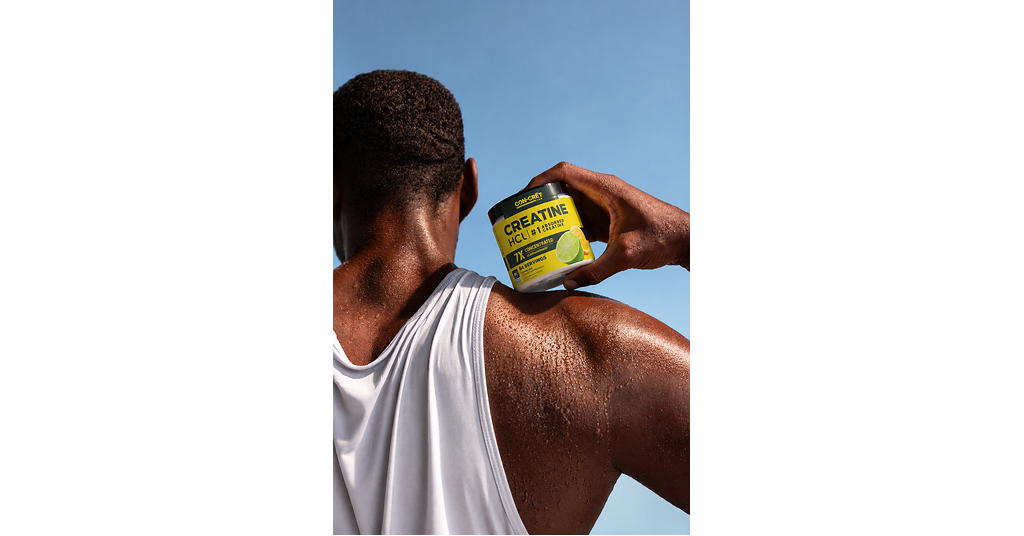
A preclinical mouse study submitted to the Journal of Neurotrauma found that CON-CRĒT Creatine HCl dosing before and after traumatic brain injury was associated with less brain-cell damage than placebo, with inflammation benefits in female mice and fewer degenerating neurons and synapse damage in male mice. The study used dosing equivalent to 1.5 grams daily before injury and 6 grams daily for 14 days afterward; researchers say human studies are still needed, and results cannot be generalized to other creatine formulations.
Analysis
Signal quality is low; no near-term earnings read-through. This is a company-funded, preclinical result, and the apparent strongest regimen depends on dosing before an unpredictable injury. That limits the addressable real-world use case even if the biology translates. The sex-specific findings add scientific interest but also raise the bar for human trial design and replication; they are not yet a basis for differentiated clinical or consumer claims.
Commercial asymmetry: The result may help CON-CRĒT position a premium, formulation-specific product, but it does not establish efficacy in people or support extrapolation to creatine monohydrate. Any category-wide halo for creatine supplements is therefore likely modest and vulnerable to skepticism. A more meaningful catalyst would be independently interpretable human data, followed by compliant marketing and measurable distribution or repeat-purchase gains. Until then, regulatory scrutiny of brain-health claims and reputational downside from overstatement outweigh plausible incremental sales.
Timing and contrarian read: Immediate market impact should be negligible absent a listed-company exposure identified in the supplied data. Over 1–3 months, watch for human-study protocol, funding, and publication details; the 6–18 month structural case depends on replicated human outcomes and post-injury dosing benefit. Consensus may overread the neuroprotection language; the overlooked constraint is that a pre-injury regimen is hard to operationalize for concussion prevention. No position is warranted on this release alone.
AllMind Terminal
AI-powered research, real-time alerts, and portfolio analytics for institutional investors.
Request TrialMarket Sentiment
Overall Sentiment
mildly positive
Sentiment Score
0.15
Key Decisions for Investors
- No actionable public-equity trade from the supplied information: no listed issuer or ticker is identified, and the result does not establish a near-term revenue catalyst.
- Treat CON-CRĒT’s claims as a watch item, not a clinical proof point. Verify peer-reviewed publication, human-trial registration and protocol, dose feasibility, post-injury-only results, and independent replication before reassessing commercial significance.
- If human data emerge, monitor whether benefits replicate by sex and formulation, and whether regulators or retailers constrain brain-health claims. Material divergence from the animal findings or reliance on pre-injury dosing would falsify the stronger adoption thesis.
- Avoid extrapolating this study to creatine monohydrate or the broader supplement category; any category exposure should require separate human evidence and observable sales or distribution data.
More News
- DoorDash offers $17 billion for Instacart: ‘the largest companies are only eating more and more of the pie’
- Alphabet Erases $500 Billion as ChatGPT, Google AI Cut into Search
- Alphabet’s stock has worst day in over 20 years, dragging the S&P 500 to first loss in four days
- PC chip plunge wipes out a quarter of Intel’s value
- Alphabet just had its worst day as a public company. BofA now values Google search at a lower multiple than fossil fuel stocks
- Daiichi Sankyo’s first-half profit rises on cancer drug growth; shares up