
Gong cha Rises to No. 129 on Franchise Times' Top 400 With Sales Growth Double the List's Pace
Source: PR Newswire
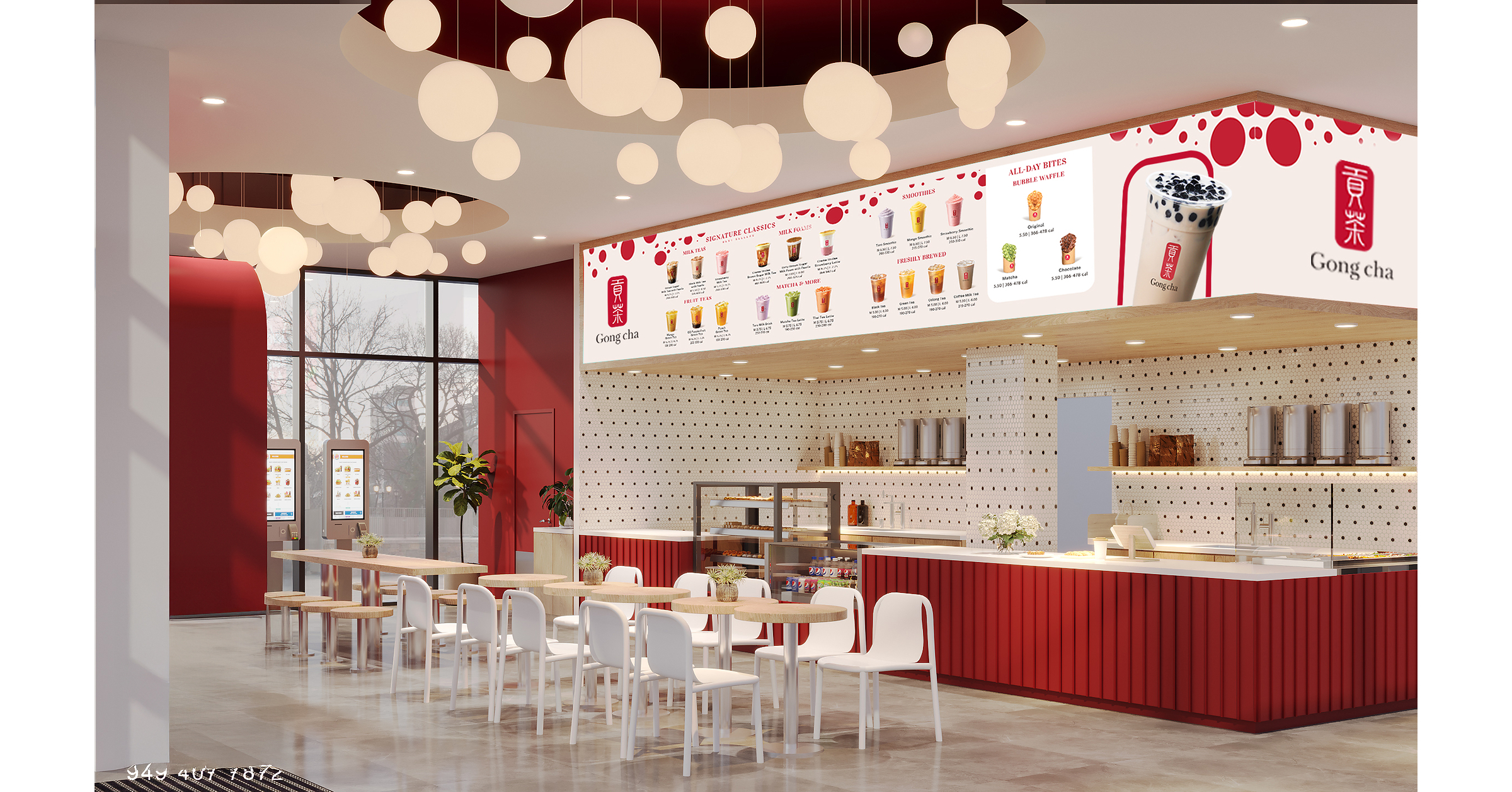
Gong cha rose five places to No. 129 in the 2026 Franchise Times Top 400 after global systemwide sales grew 8.8% in 2025, more than double the ranking's aggregate 4.3% growth rate. The bubble-tea chain, with nearly 2,200 locations globally and more than 240 across the Americas, is targeting over 500 Americas stores by 2028 through multi-unit agreements, including a 50-unit Texas deal, and nontraditional airport and university locations. Its Gong cha 2.0 model adds automated drink preparation, digital ordering and optimized store design to support scalable expansion and consistency.
Analysis
There is no directly investable Gong cha equity, so the relevant signal is category-level: beverage-led QSR remains one of the few restaurant formats capable of unit growth without full-service labor intensity. The operational automation claim matters only if it lowers labor per transaction while preserving throughput at peak periods; successful deployment would raise the competitive bar for adjacent concepts such as Dutch Bros (BROS), Starbucks (SBUX), Cava (CAVA), and privately held bubble-tea chains, especially in labor-constrained airport and campus venues.
The second-order pressure falls on incumbent coffee operators with slower service models and higher fixed labor, not necessarily on all restaurants. Airports and universities offer captive traffic but typically carry elevated concession economics, meaning system-sales growth can overstate franchisee-level returns; if unit-level cash-on-cash economics disappoint, multi-unit development commitments may be delayed before the announced store target becomes meaningful. The near-term read-through is modest because the disclosed expansion pace is too small to alter public-company earnings estimates.
Contrarian view: enthusiasm around Gen Z beverage demand may be conflating novelty-driven transaction growth with durable frequency. The category is increasingly crowded, and customization can create ingredient waste, ticket-time volatility, and margin leakage unless automation genuinely improves accuracy. Watch comparable-store sales, franchisee openings versus signed commitments, and evidence that nontraditional units sustain margins after concession fees; without those data, this is an industry watch item rather than a directional trade catalyst.
AllMind Terminal
AI-powered research, real-time alerts, and portfolio analytics for institutional investors.
Request TrialMarket Sentiment
Overall Sentiment
strongly positive
Sentiment Score
0.58
Key Decisions for Investors
- No standalone position on this news: Gong cha is private and the announced development activity is not material to public restaurant earnings over the next 1-3 months.
- Add BROS to a relative-strength watchlist versus SBUX over the next 6-12 months. A broad shift toward high-throughput, customizable beverage occasions favors BROS, but initiate only if same-store-sales and new-unit productivity remain ahead of guidance; falsify on sustained transaction deceleration or unit-margin compression.
- Monitor SBUX quarterly commentary on beverage customization, mobile-order throughput, and campus/airport licensing economics. A demonstrated inability to improve peak throughput would support a tactical BROS-long/SBUX-short pair, but only after comparable-sales evidence confirms share loss.
- Watch listed automation and kiosk suppliers, including NCR Voyix (VYX) and Toast (TOST), for aggregate enterprise-order growth rather than treating this announcement as revenue-relevant. Require disclosed contract value or a broad restaurant-capex acceleration before taking exposure.
More News
- Why rising exports aren’t easing oil market fears
- Trump vs Europe as US presses for release of emergency diesel stocks
- Anthropic warns government attitudes may hurt customer ties, IPO prospectus shows: Reuters
- FAA says Boeing 737 Max software glitch not a flight-safety issue
- Your health insurance premiums may take a big jump in 2027 — here's why
- Anthropic to invest $100 million to train AI engineer talent