
University of Benghazi Reopens After 11 Years in Historic Milestone, Breaking Three Guinness World Records
Source: PR Newswire
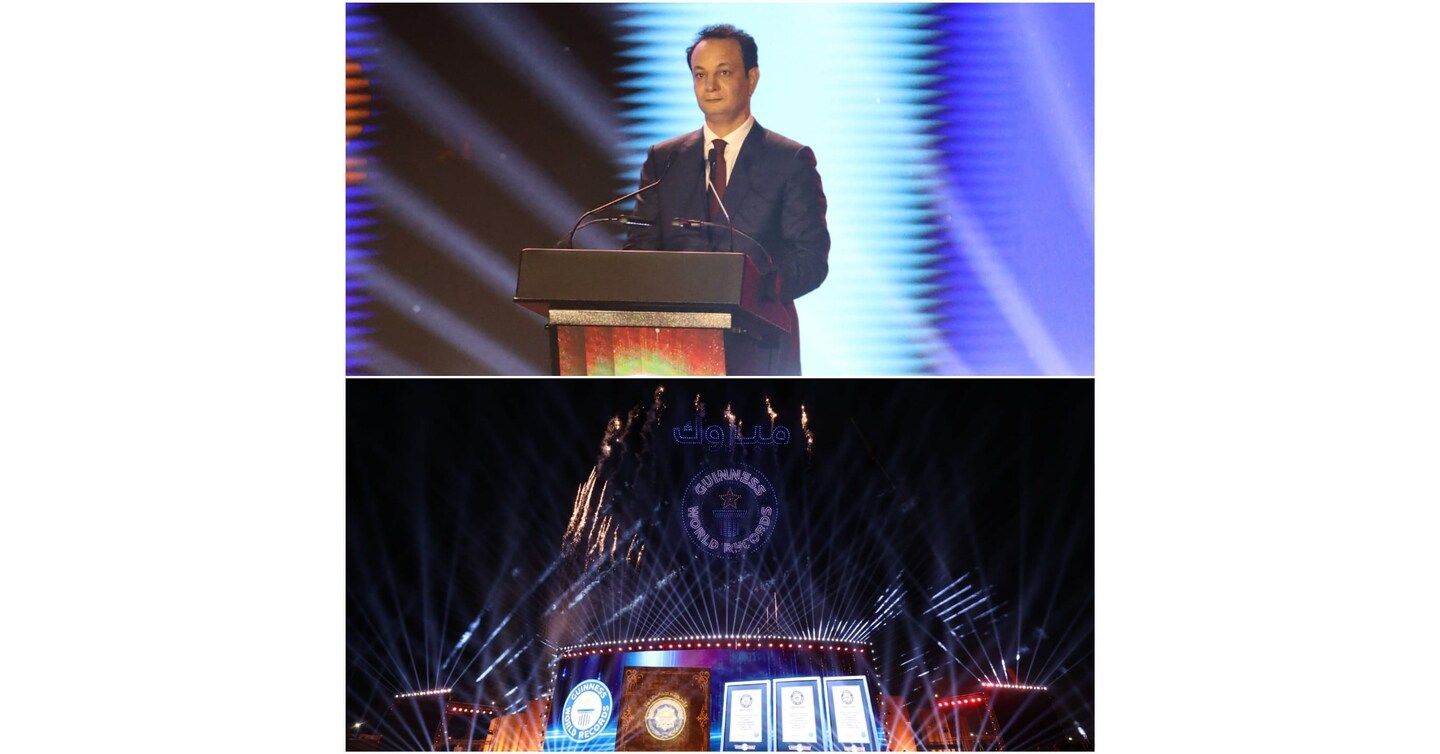
The University of Benghazi reopened all faculties and facilities on September 4 after more than 11 years of closure, following a three-year reconstruction led by Libya's Development and Reconstruction Fund. The rebuilt campus serves nearly 100,000 students and is part of more than 2,300 development projects across eastern and southern Libya, including rehabilitation of other universities and roughly 250 schools.
Analysis
This is not directly investable public-equity news, but it modestly strengthens the case that eastern Libya’s reconstruction cycle is becoming more institutionalized rather than limited to episodic emergency spending. The investable transmission channel is through future procurement demand for cement, aggregates, power equipment, telecom infrastructure, engineering services and security/logistics—although sanctions, fragmented governance and opaque tendering make near-term revenue attribution impossible for listed companies.
Over the next 1-3 months, the relevant catalyst is whether reconstruction activity converts into independently documented contracts, multilateral funding, bank-payment mechanisms, or formal tenders. European engineering and energy-service groups with historic North African footprints could eventually benefit, but a single state-linked announcement does not justify extrapolating project volume or margins. The more immediate effect may be geopolitical: visible civilian reconstruction can improve eastern authorities’ negotiating leverage over oil-revenue allocation, potentially reducing localized disruption risk but also entrenching Libya’s political bifurcation.
The contrarian view is that reconstruction headlines are often politically valuable precisely because financing transparency is weak. A broad build-out could raise local materials and labor costs without producing investable external contracts; it may also divert resources from oil-field maintenance, which would be marginally supportive for crude if outages increase. Structural upside over 6-18 months requires evidence that projects are funded through sustainable oil receipts rather than arrears, off-budget vehicles, or externally supported credit.
AllMind Terminal
AI-powered research, real-time alerts, and portfolio analytics for institutional investors.
Request TrialMarket Sentiment
Overall Sentiment
moderately positive
Sentiment Score
0.48
Key Decisions for Investors
- No standalone equity trade: maintain this as a Libya reconstruction watch item until named contractors, contract values, funding source and payment terms are disclosed.
- For oil-risk books, monitor Libyan National Oil Corporation production/export updates and eastern-western revenue negotiations over the next 1-3 months; an unplanned outage above roughly 200 kbbl/d would be a more actionable bullish catalyst for Brent/ICE Brent exposure than reconstruction announcements.
- Screen European infrastructure and power-equipment names with North Africa exposure—Vinci (DG FP), Bouygues (EN FP), Siemens Energy (ENR GR), Schneider Electric (SU FP)—for confirmed Libya awards, but require backlog impact above 1% and verifiable financing before initiating positions.
- Treat any sustained increase in reconstruction spending without parallel oil-maintenance capex as a medium-term supply-risk alert: consider tactical long Brent versus short European refining exposure only if export disruptions emerge, with the thesis invalidated by stable Libyan output and transparent budget funding.
More News
- AI Doubts Spread Cracks in Equities, Credit Markets: Evening Briefing Americas
- Stocks Fall as Oil Rally Keeps a Lid on Treasuries
- Energy markets are adapting to the Iran war as a ‘forever conflict’ while oil producers keep supplies flowing and avoid ‘mutually assured destruction’
- Kinder Morgan, Energy Transfer and Williams could benefit from cheap natural gas
- CrowdStrike CEO's alarming prediction — plus, the sell-off spreads beyond tech
- Elon Musk’s dangerous grip on outer space