
AI, Deal Pipelines and BofA’s Punishment Dominate Earnings Week Chatter
Source: Bloomberg
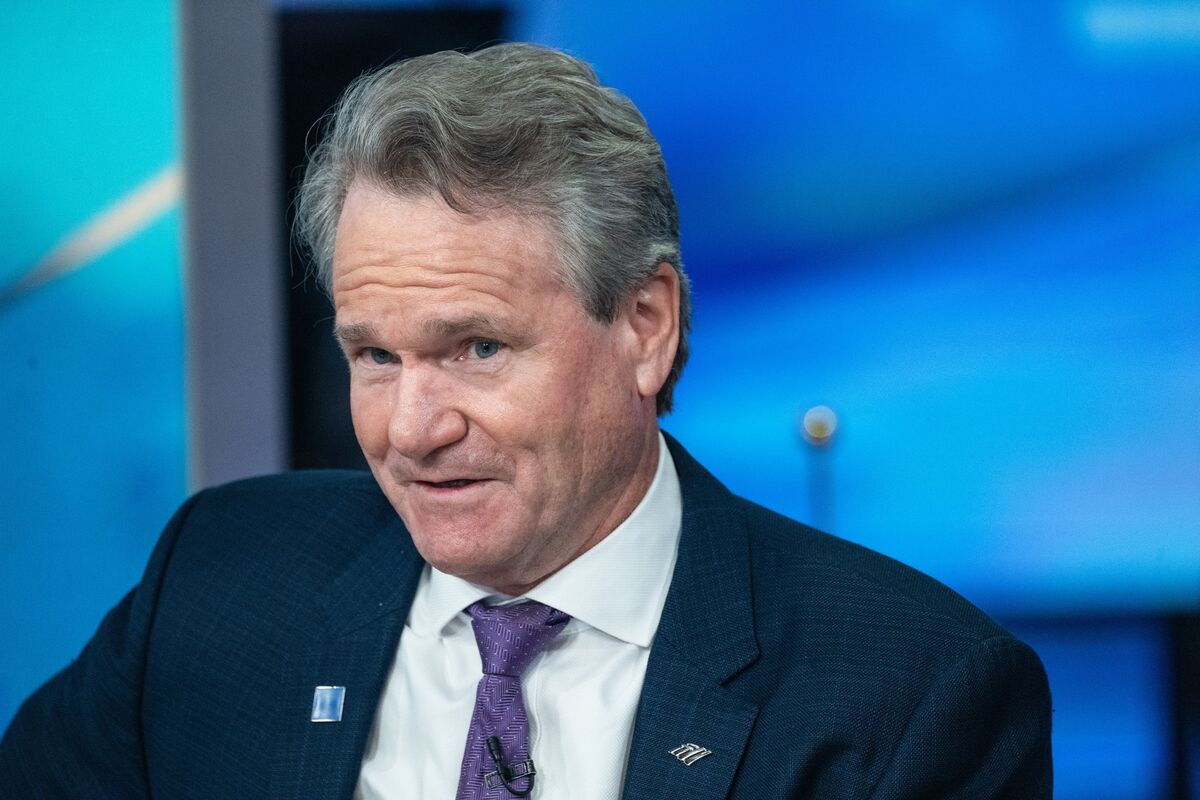
Bank of America faces $1.2 billion in penalties over money-laundering and sanctions-control violations, with Treasury criticizing delayed and incomplete cooperation; the article also highlights rising enforcement risk for US banks. Third-quarter results were mixed: JPMorgan cited about $30 billion in excess capital and favored organic growth over buybacks, while Citigroup fixed-income trading reached a decade-plus high and Morgan Stanley said it was “double overweight” on AI infrastructure. The combination of earnings updates and heightened regulatory scrutiny is notable for bank stocks, but the article reports no share-price reaction.
Analysis
The key read-through is not the penalty’s headline size but the possibility that weak cooperation and prolonged control failures invite sustained supervisory scrutiny. That could raise BAC’s compliance spend and management distraction, while limiting capital-return flexibility if remediation reveals broader deficiencies. The scope of the cited violations does not establish a bank-wide control failure; watch for formal remediation requirements, repeat findings, and changes in regulatory language before pricing a systemic discount.
Near term, political attention cuts both ways: enforcement may be uneven, and the separate debanking review could create new compliance and reputational costs across large banks. The market may overread one case as a sector-wide regime shift, but underread the governance signal specific to BAC. For peers, more scrutiny can increase operating costs while advantaging firms able to demonstrate stronger controls; it is not automatically a durable earnings tailwind.
C’s trading strength and GS’s hedge-fund lending are potentially cyclical, not yet evidence of persistent share gains. GS’s lending mix also warrants monitoring for leverage and counterparty concentration. JPM’s preference for organic investment over buybacks reduces a near-term source of share demand; the payoff depends on returns from that investment. MS’s AI positioning is an exposure, not proof of realized returns—verify spending and monetization before assigning a premium.
Over 1–3 months, focus on BAC remediation disclosures, regulatory follow-through, and guidance for compliance costs. Over 6–18 months, the differentiator is whether controls improve without impairing customer growth or capital returns. A BAC relative short thesis weakens if regulators close the matter without broader remediation, BAC reports credible milestones, or peers face comparable enforcement.
AllMind Terminal
AI-powered research, real-time alerts, and portfolio analytics for institutional investors.
Request TrialMarket Sentiment
Overall Sentiment
mildly negative
Sentiment Score
-0.20
Ticker Sentiment
Key Decisions for Investors
- Consider a modest BAC underweight versus C as a relative-value expression of regulatory-overhang risk—not a blanket short of banks. Reassess after BAC’s next remediation update and earnings call; avoid sizing on the penalty amount alone.
- Keep C’s trading outperformance on a watchlist rather than extrapolating it. Look for repeat strength across subsequent quarters and evidence of durable client activity before upgrading the earnings contribution.
- Monitor GS’s hedge-fund lending for disclosed growth, underwriting standards, and counterparty concentration. Reduce enthusiasm if credit costs or risk exposure rise faster than revenues.
- Treat JPM buyback expectations and MS AI upside as conditional: track organic-investment returns at JPM and AI-related spending versus monetization at MS. Either weak execution or sustained returns below the cost of capital would challenge the respective theses.
More News
- BNY stock pops on strong earnings — showing exactly why we like this bank in this market
- Factbox-CoreWeave’s AI contracts and the lenders financing its build-out
- Bank of America had to bring in 1,000 contractors to patch all the bugs Mythos identified
- Here's our monthly update on our 32 stocks, including 2 more names to buy
- Tale of two markets: Our 3 biggest winners and losers over the past five weeks
- Wall Street’s earnings split: Goldman’s $18.7 billion blowout quarter—and why JPMorgan and BofA fell short
From AllMind Research
- Anthropic IPO Preview: Valuation, Timing, and What to Watch
- Shein After the IPO: Venue, Valuation, and What Must Be Proved
- What AI Research Tools Should a Small Hedge Fund Buy First?
- AI for Sell-Side Models, Estimates, and Internal Data
- How to Write an Investment Memo with AI: A Decision-Record Template