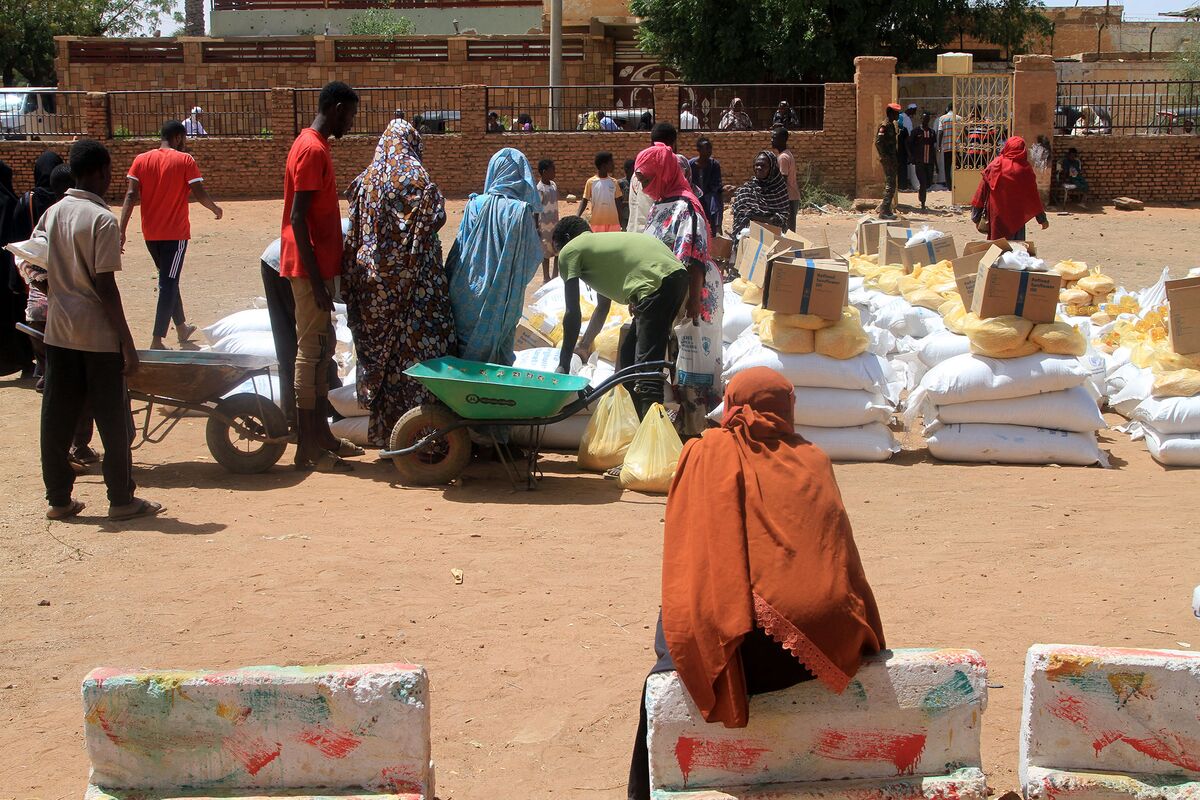
Global hunger is easing for a third straight year: about 645 million people (7.8% of the world’s population) faced hunger in 2025. However, UN agencies flag renewed risks from the Middle East conflict and El Niño, which could undermine recent progress—especially amid uneven improvements across regions.
The investable signal here is weak unless the weather/geopolitical backdrop turns into a measurable crop shock. Hunger declining is mostly a lagging social indicator, not a direct driver of public-market earnings; the first place this matters is in food-importing EMs, where lower stress can ease sovereign spread pressure and reduce emergency subsidy risk over 6-18 months. That is more relevant for country risk and FX than for a direct single-name equity trade.
The real market mechanism is the optionality around El Niño and Middle East disruption: if either hits key growing regions or shipping lanes, the next 1-3 months can reprice grains, vegetable oils, and freight/insurance faster than equities. The likely winners would be grain merchandisers and volatile-ag exposure names such as ADM/BG and the broad ag basket (DBA/WEAT), while consumer staples and restaurant chains with high food-input exposure would face delayed margin pressure if input costs re-accelerate.
Contrarianly, the consensus may be overestimating the immediacy of the headline and underestimating how quickly improving supply conditions can normalize food inflation. If crop conditions and Black Sea flows stay benign, any weather premium in ags should mean-revert; the thesis is falsified by a sequence of better rainfall/production updates and falling food-price indices over the next 1-2 quarters. In short: watch item, not a conviction trade yet.
AI-powered research, real-time alerts, and portfolio analytics for institutional investors.
Request TrialOverall Sentiment
mixed
Sentiment Score
0.05
Ticker Sentiment
