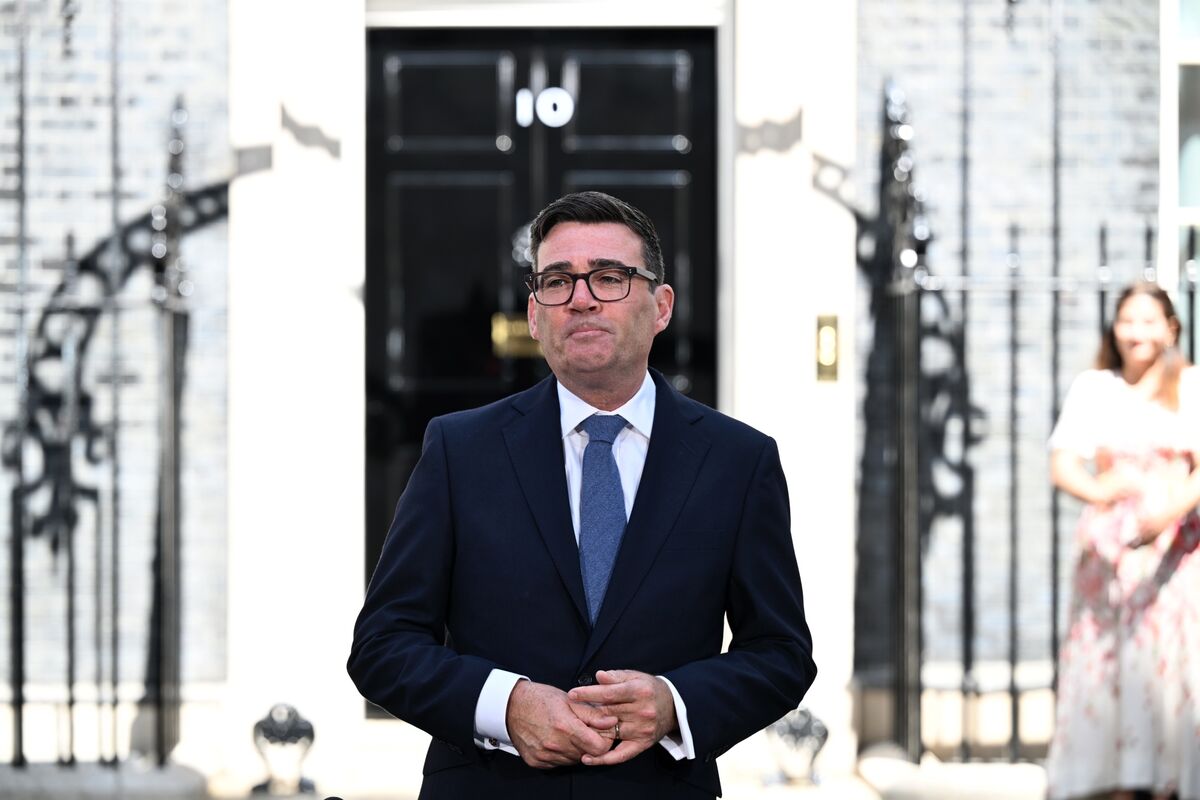
UK PM Andy Burnham pledged to use his first speech to end political instability by introducing a “new political model” and a “new economic model,” calling it a “circuit breaker” for Britain and “the biggest changes in the last 40 years.” The article provides no specific fiscal or economic figures, so near-term market impact is likely limited absent policy detail.
The market should treat this as a sentiment reset, not a regime change, until there is a budget with measurable supply-side detail. The first-order winners are the most UK-domestic, policy-sensitive assets: mid/small caps, housing-linked names, and banks, because their valuation discount is driven more by political uncertainty and local growth expectations than by global earnings power. By contrast, the FTSE 100 could underperform on any meaningful GBP strength, since a firmer currency trims translation for multinationals while doing little for their already global revenue mix.
The bigger second-order effect is on the gilt term premium. If the new model implies higher spending without credible offsetting growth measures, any initial relief rally in sterling could reverse into higher long-end yields, which would hit mortgage-sensitive sectors and cap the upside in housebuilders. The key 1-3 month catalyst is not the speech itself but the first fiscal statement: that is where investors will decide whether this is a pro-growth credibility story or another iteration of headline reform with weak execution.
The contrarian view is that consensus may overprice “stability” and underprice policy arithmetic. UK assets can re-rate on reduced instability, but only if the government avoids a growth-negative tax mix and preserves fiscal credibility; otherwise, the trade becomes higher GBP, higher yields, and lower domestic equity multiples. If reform is real, the structural winner over 6-18 months is UK domestic cyclicals; if not, this is mostly a fadeable relief move.
AI-powered research, real-time alerts, and portfolio analytics for institutional investors.
Request TrialOverall Sentiment
neutral
Sentiment Score
0.05
