
Weebit Nano: Promising Next Phase Of ReRAM
Source: seekingalpha.com
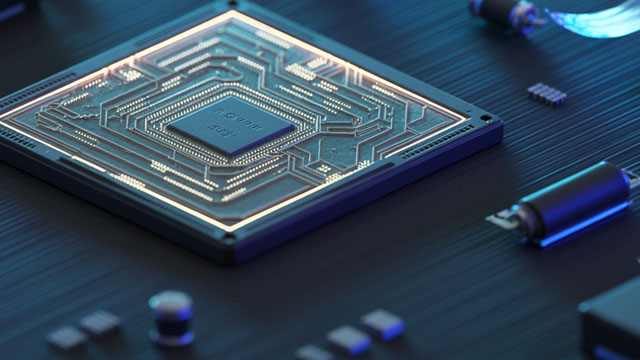
WBTNF licenses embedded memory technology, gaining exposure to chip adoption without operating fabrication plants. The company depends on integrations with major semiconductor customers, and licensees’ production launches are important because they trigger recurring royalties.
Analysis
The key underwriting variable is conversion, not licensing activity: a design integration can take time to reach volume production, and a launch alone does not establish royalty scale. This creates a long-dated, execution-sensitive revenue stream with limited control over customers’ product schedules. Delays, redesigns, or weak end-market demand can defer royalties without a corresponding manufacturing-cost base to cut.
The asset-light model may support attractive incremental economics if deployments scale, but that upside is exposed to licensee concentration, royalty terms, and substitution by competing memory architectures or internally developed solutions. Those factors—not the general adoption of chips—determine the value captured by the licensor. The article provides no customer, production, royalty-rate, or revenue-contribution detail, so the impact on consolidated earnings and valuation cannot be sized.
Near term, this is not enough to justify a directional position. Over the next 1–3 months, verify whether any named integration has reached production and whether management reports royalty revenue attributable to it. Over 6–18 months, track repeat design wins and royalties becoming material and diversified. The thesis weakens if launches slip, royalties fail to follow production, or customers shift to alternative implementations.
AllMind Terminal
AI-powered research, real-time alerts, and portfolio analytics for institutional investors.
Request TrialMarket Sentiment
Overall Sentiment
neutral
Sentiment Score
-0.05
Key Decisions for Investors
- No trade on this information alone; treat prospective launches as milestones to monitor, not recurring revenue until production and royalty contribution are independently evidenced.
- Before underwriting upside, seek customer/product identities, expected production timing, royalty structure, and the share of revenue tied to each licensee. If those details remain undisclosed, keep the position on a watchlist rather than assigning launch-driven earnings value.
- Set a catalyst check for the next company update: confirm production status and reported royalty contribution. A delayed launch or continued absence of measurable royalties would falsify the near-term conversion thesis.
- If exposure is already held, size the thesis around timing and concentration risk; reassess after any production schedule change or evidence that a major licensee is adopting a competing memory solution.
More News
- Stocks slump, bonds leap as AI giants’ spending spooks investors
- DoorDash offers $17 billion for Instacart: ‘the largest companies are only eating more and more of the pie’
- Alphabet Erases $500 Billion as ChatGPT, Google AI Cut into Search
- Alphabet’s stock has worst day in over 20 years, dragging the S&P 500 to first loss in four days
- PC chip plunge wipes out a quarter of Intel’s value
- Alphabet just had its worst day as a public company. BofA now values Google search at a lower multiple than fossil fuel stocks