
La pompe à chaleur Skyven Arcturus atteint un COP de 8,0, établissant ainsi un nouveau record en matière d'efficacité de la production de vapeur industrielle
Source: PR Newswire
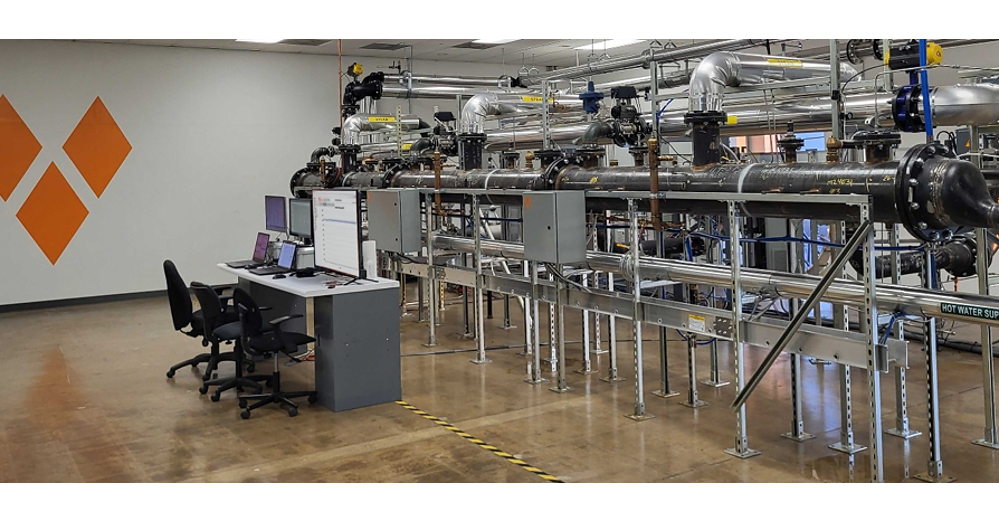
Skyven Technologies says its industrial heat-pump system Arcturus achieved a sustained COP of 8.0 at its Texas demonstration plant, up more than 20% from the initial COP of 6.5. With a COP of 8.0, it claims ~10x less energy per unit of steam versus conventional boilers, targeting temperature increases of 38°C to 185°C (COP 8.0 to 2.0). The company frames the result as materially reducing steam costs and lowering exposure to European energy-price volatility while supporting emissions-compliance economics.
Analysis
This is more important as a proof-point for industrial electrification economics than as a single-company story. If the operating data are durable, the first beneficiaries are not end-users but the picks-and-shovels around grid capacity, power electronics, and high-efficiency electrical equipment; that favors names like ETN and ABB more than classic energy equities. The losers are the long-duration cash flows tied to industrial gas combustion and boiler replacement cycles, but the hit is likely gradual because factories switch only when power availability, uptime guarantees, and project finance line up.
The consensus risk is to over-read a demo result as a scalable market conversion. COP deteriorates quickly at higher temperature lift, so the addressable market is really the lower-temperature steam segment where electricity is cheap and carbon costs are real; the harder process-heat universe remains constrained by integration complexity and utility interconnection delays. If European power prices re-accelerate or ETS/carbon support weakens, the payback math stretches and this thesis loses momentum within 1-3 quarters.
Over 6-18 months, the structural effect is higher industrial electricity load and potentially more capex for utilities and grid vendors, which can support regulated-rate bases and equipment multiples. But the near-term trade is mostly sentiment-driven and may be too small to move broad sectors unless there is visible customer adoption data, backlog conversion, or disclosed payback periods. I would treat this as a watch item for now rather than a high-conviction fundamental catalyst.
AllMind Terminal
AI-powered research, real-time alerts, and portfolio analytics for institutional investors.
Request TrialMarket Sentiment
Overall Sentiment
strongly positive
Sentiment Score
0.55
Key Decisions for Investors
- Long ETN or ABB on a 1-3 month pullback; best expression of industrial electrification capex, with upside if customer deployments convert from demo to backlog. Falsify if order growth or guide slows.
- Conditional pair: long NEE / short KMI over 6-12 months, betting that electrification shifts industrial energy spend toward power infrastructure and away from gas transport throughput. Exit if gas economics remain structurally cheap or power demand growth disappoints.
- Add XLU only as a delayed beneficiary basket on evidence of rising load and transmission spending; this is a 6-18 month thesis, not a same-day trade. Risk/reward improves if rates fall while capex recovery stays intact.
- Do not short the announcement itself; wait for named customer wins, contract economics, or installed-base metrics before taking a bearish position on boiler or gas-exposed proxies.
More News
- Trump waives broad new Russia sanctions and tariffs under Graham Act, citing national interest
- ECB's Lagarde says bond selloff will slow inflation
- Iran-backed Houthis strike Yemen’s Aden: What that means
- Christine Lagarde: IMFC Statement
- Solar power booms in Philippines as war on Iran spikes energy costs
- Palantir patient data tech rejected by many NHS trusts in England