
Arizona Garage Door and Window Manufacturer Keeps Quotes Stable with Overseas Production in 2026
Source: PR Newswire
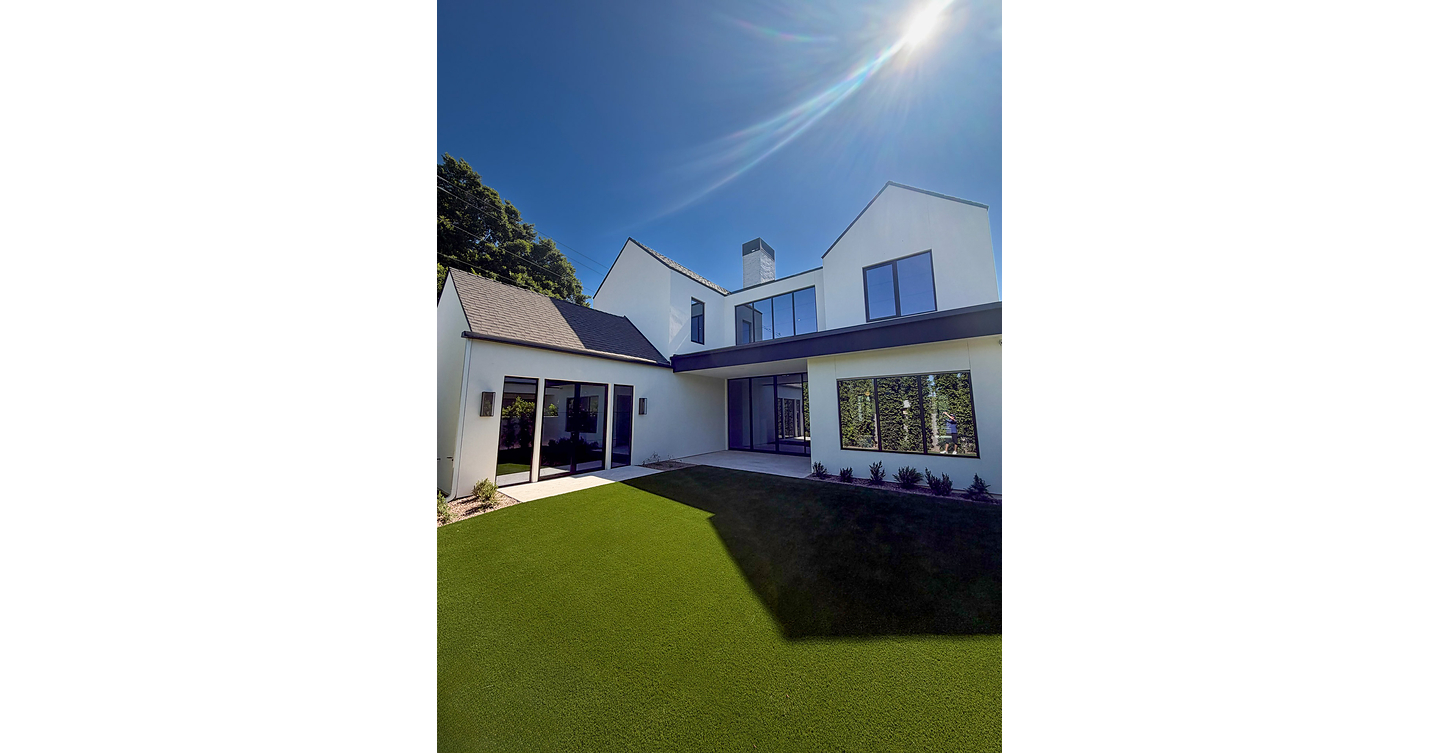
Phoenician Doors and Windows highlighted a residential door, window and garage-door model that provides itemized quotes inclusive of shipping and tariffs, with prices guaranteed for three months and tariff increases absorbed after orders are placed. The Phoenix-based company cites typical project timelines of 60-90 days, supported by overseas manufacturing and a local warehouse hub. Its product offering emphasizes energy-efficient dual-pane, argon-filled low-E glass and customizable indoor-outdoor upgrades, backed by a five-year warranty.
Analysis
This is not a tradable company-specific event, but it is a useful micro-signal for the fragmented Southwest residential-remodeling channel: contractors reliant on imported finished goods are increasingly competing on tariff-price certainty rather than nominal price. The hidden exposure is margin duration—fixed customer quotes with 60-90 day fulfillment periods turn any upward tariff or freight reset into an unhedged gross-margin liability. Large public building-products firms with domestic production or pricing power should be relatively advantaged if tariff volatility persists, including JELD-WEN (JELD), Masonite parent Owens Corning (OC), and garage-door supplier Amarr/Clopay private peers rather than the smaller import-led dealer base.
Near term, this does not alter housing-equity demand, which remains driven by existing-home turnover, mortgage rates, and discretionary remodeling budgets. Over 1-3 months, a meaningful increase in tariff rates or ocean-container costs would likely force smaller dealers to shorten quote validity, demand deposits, or reprice backlog; this can reduce conversion while allowing scaled manufacturers to retain margin through procurement and factory localization. The more relevant public-market read-through is to distributors and installation-intensive channels: Beacon Roofing Supply (BECN) and TopBuild (BLD) have less direct fenestration exposure but can benefit from contractor consolidation if smaller operators lose working capital flexibility.
Contrarian view: tariff absorption is often marketing language rather than an economic advantage. Unless suppliers are contractually fixed and customer deposits fund inventory, the model may simply defer price increases into lower margin or future quote repricing. There is no evidence here of volume, backlog, or unit economics sufficient to support a sector trade; treat it as an alert for import-cost pressure rather than confirmation of accelerating Arizona remodeling demand.
AllMind Terminal
AI-powered research, real-time alerts, and portfolio analytics for institutional investors.
Request TrialMarket Sentiment
Overall Sentiment
mildly positive
Sentiment Score
0.18
Key Decisions for Investors
- No immediate directional trade. Add an alert around announced tariff schedules, container spot rates, and USD/CNY moves; a sustained 10%+ landed-cost increase over a 60-90 day period would be negative for import-dependent specialty building-product dealers and supportive of domestic-scale manufacturers.
- For a tariff-volatility hedge over the next 3-6 months, prefer a modest long OC versus short JELD pair only after confirming relative import exposure and backlog pricing terms in filings/earnings calls. Thesis fails if JELD demonstrates equivalent price pass-through or OC guidance shows remodeling-volume deterioration.
- Monitor BLD and BECN quarterly organic sales, gross margin, and contractor-account churn as consolidation indicators. Do not initiate solely on this item; a trade requires evidence that smaller regional installers are losing share or that repair/remodel demand is improving despite weak housing turnover.
- Watch the 10-year Treasury yield and existing-home sales as the primary demand falsifiers. A renewed rate increase that further suppresses home transactions would outweigh any tariff-driven share gains for residential building-products equities.
More News
- Saudi coalition says Houthi drone destroyed near Mecca
- Iran war increasing inflation, straining US munitions: congressional report
- Attacks on Saudi oil expose Iraqi PM’s struggle to control armed factions
- China's AI leaders keep quiet despite U.S. 'publicity' on tech risks
- Oil prices dip as U.S. inventory build offsets M.East supply jitters
- Exclusive-Malaysia talks to rival airlines as it monitors AirAsia’s financial health, sources say