
Hendrie Lane Capital, V12 Investments, and The Zaro Group Acquire 170,771-Square-Foot R&D and Advanced Manufacturing Portfolio at 3 & 6 Riverside Drive in Andover, MA for $43.5 Million
Source: PR Newswire
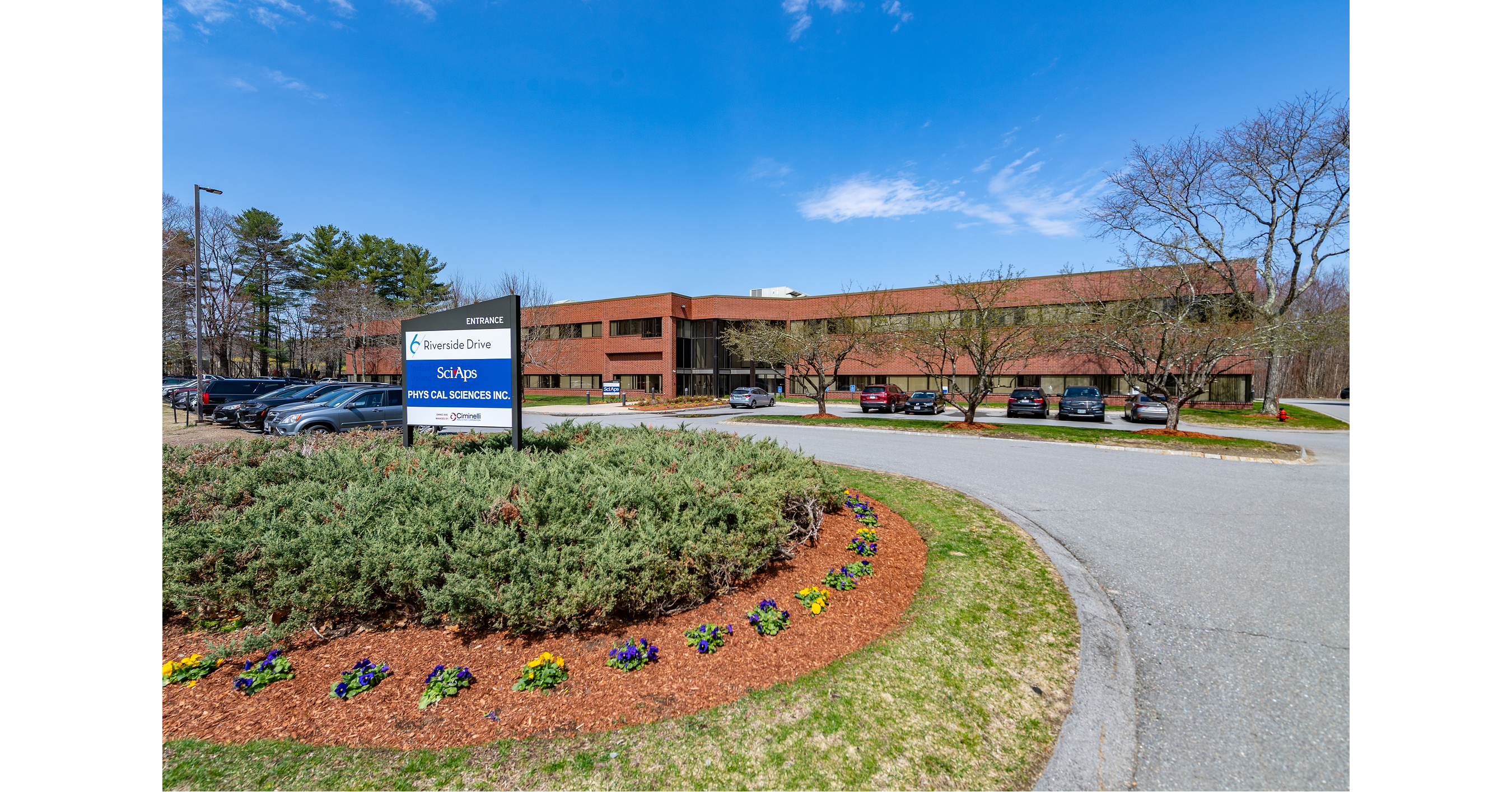
Hendrie Lane Capital, V12 Investments and The Zaro Group acquired the fully leased 170,771-square-foot R&D and advanced-manufacturing portfolio at 3 & 6 Riverside Drive in Andover, Massachusetts, for $43.5 million, financed with $28.6 million from Washington Trust Bank. The acquisition is Hendrie Lane's first under its new R&D and advanced-manufacturing strategy and provides immediate triple-net lease income from four established tenants. Buyers cite below-market rents, construction costs above $500 per square foot, constrained regional supply and long-term leases as drivers of potential rent growth and asset appreciation.
Analysis
This is a small, privately executed transaction rather than a direct earnings catalyst for JLL; the brokerage/financing fee is immaterial to its consolidated results. The investable signal is instead validation that specialized flex/R&D assets can clear with leverage despite weak conventional-office capital markets. If this financing is replicated, private-market transaction volume should recover first in mission-critical industrial, medical-device and light-manufacturing facilities—not broad suburban office—benefiting JLL, CBRE, Cushman & Wakefield (CWK), and Newmark (NMRK) through capital-markets and debt-advisory pipelines over the next 6-18 months.
The key second-order constraint is tenant credit rather than physical supply. Specialized fit-outs raise moving costs and support retention, but a tenant roster concentrated in small technology, instrumentation, or life-science-adjacent companies may be more exposed to venture funding and federal R&D-budget cycles than a conventional warehouse tenant. A repricing of regional-bank commercial real-estate lending, or a slowdown in small-cap industrial orders, would cap valuation expansion even if rents reset higher at lease expiry.
Consensus may overgeneralize this as evidence of a broad CRE bottom. The relevant distinction is between low-capex, durable-demand flex assets and commodity office/lab conversions, where elevated vacancy and concession packages can still pressure effective rents. Public REIT exposure is imperfect: industrial REITs such as PLD and REXR own substantially different logistics-oriented portfolios, while the cleanest listed expression is advisory firms monetizing incremental transaction velocity rather than assuming cap-rate compression across all commercial real estate.
Near term, monitor Greater Boston flex leasing, regional-bank CRE loan spreads, and JLL/CWK/NMRK commentary on debt-placement volumes. A sustained increase in transaction volumes and financing availability over the next two quarters would support fee-estimate revisions; renewed office impairments, widening CRE credit spreads, or declining industrial leasing guidance would falsify the recovery read-through.
AllMind Terminal
AI-powered research, real-time alerts, and portfolio analytics for institutional investors.
Request TrialMarket Sentiment
Overall Sentiment
moderately positive
Sentiment Score
0.48
Ticker Sentiment
Key Decisions for Investors
- No standalone trade on JLL from this transaction; treat it as a data point. Set a watch alert for JLL's next two earnings calls: upgrade only if capital-markets/debt-advisory revenue guidance turns positive and transaction pipeline conversion improves.
- Build a 6-12 month relative-value basket long JLL and NMRK versus CWK only after confirmation of improving debt-placement volumes; JLL's stronger balance sheet and diversified services should outperform if private CRE liquidity recovers unevenly. Exit if CRE lending spreads widen materially or either company cuts full-year transaction guidance.
- Avoid using broad office REITs as a proxy for specialized R&D flex. If seeking listed real-estate exposure, favor a small, staged long in PLD over office ETFs such as IYR only if industrial leasing spreads remain positive; this is a quality/lease-duration expression, not a direct Andover read-through.
- For private-credit monitoring, watch regional-bank CRE refinancing conditions through year-end. A pullback in bank lending would create an opportunity to own advisory firms on weakness only if private lenders replace bank capacity; otherwise it would undermine the assumed cap-rate and rent-growth upside.
More News
- Oil falls amid optimism over potential diplomatic solution to the Iran conflict
- History shows financial calamities occur when rates rise rapidly like this: 'Something always breaks'
- Oracle Japan shares surge 7% after record fiscal first quarter, bucking selloff of U.S. parent
- Here’s the Tesla Semi… again
- 30-year fixed mortgage rate jumps sharply Thursday to 7.45%
- Costco makes progress on a key membership metric. Here's our new price target on the stock
From AllMind Research
- Anthropic IPO Preview: Valuation, Timing, and What to Watch
- Shein After the IPO: Venue, Valuation, and What Must Be Proved
- What AI Research Tools Should a Small Hedge Fund Buy First?
- Weekly Update: Sector Analysis, Improvements on Research Data, and Performance Enhancements
- Choosing an AI Copilot for Equity Research