
Y Combinator Alum Launches Atli, an AI-Powered Travel eSIM Built Into WhatsApp
Source: PR Newswire
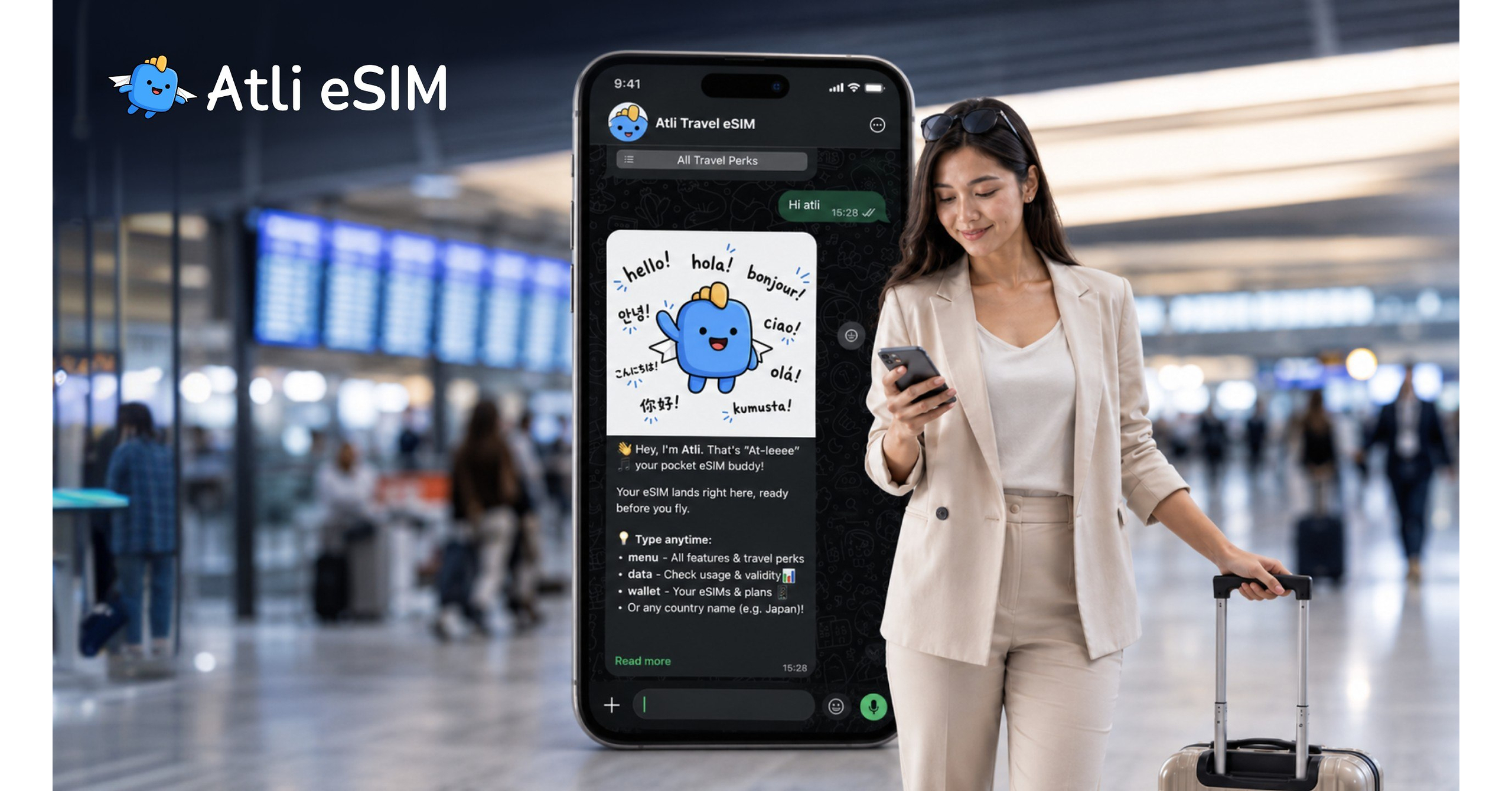
XForge Mobile launched Atli, an AI-powered travel eSIM service embedded in WhatsApp and Telegram, offering data plans across 200+ countries. The platform uses trip context to recommend, sell and activate eSIMs conversationally, while supporting data monitoring and top-ups during travel. Backed by Razer's zVentures, Rebel Fund and Founderheads, XForge plans to expand Atli into a travel wallet, rewards and broader transaction services; iOS and Android apps are forthcoming.
Analysis
This is not material to AAPL earnings or valuation: the launch is by a private, early-stage distributor and does not alter Apple’s App Store, hardware, or services economics. The more relevant public-market read-through is that WhatsApp is becoming a lower-friction commerce surface, reinforcing META’s strategic optionality in business messaging rather than creating a travel-tech revenue event. However, WhatsApp’s payment and commerce monetization remains geography- and regulatory-constrained, so a single eSIM partner is not evidence of scalable take-rate expansion.
The near-term competitive effect is likely margin pressure among undifferentiated eSIM resellers, including KPN-backed Sim Local and private peers such as Airalo and Holafly, because conversational acquisition can reduce search/affiliate spend and improve top-up conversion. The claimed AI layer is unlikely to be a durable moat: underlying connectivity is largely wholesale capacity, where pricing, activation reliability, customer support, and distribution economics—not recommendation quality—determine gross margin. A more meaningful 6-18 month implication would emerge only if messaging-based agents can attach higher-margin bookings, payments, insurance, or loyalty transactions after the initial data sale.
Contrarian view: travel-AI narratives may overstate willingness to transact inside a chatbot. eSIM purchases are low-ticket and episodic, while travelers often choose established brands for support assurance; WhatsApp also does not control the mobile operating-system provisioning experience. The key falsifier for any platform thesis is independently disclosed evidence of repeat purchase, paid acquisition efficiency, and attach-rate beyond connectivity—not app downloads, creator links, or country coverage.
AllMind Terminal
AI-powered research, real-time alerts, and portfolio analytics for institutional investors.
Request TrialMarket Sentiment
Overall Sentiment
moderately positive
Sentiment Score
0.42
Key Decisions for Investors
- No AAPL position change: treat this as immaterial until Apple reports evidence that third-party eSIM distribution changes activation, international roaming, or Services attachment; none is indicated here.
- Maintain a watch alert on META business-messaging disclosures over the next 2-4 quarters. Consider a tactical META long only if management quantifies WhatsApp business-message growth, payments volume, or incremental click-to-message monetization; absent those metrics, this is narrative optionality rather than an earnings catalyst.
- For private-market/travel-tech diligence, monitor eSIM wholesale pricing, customer-acquisition cost, chargebacks, and 90-day top-up rates. Do not underwrite a premium valuation for AI differentiation unless post-connectivity attachment produces demonstrably higher contribution margin.
- If public travel-booking names sell off on agentic-commerce concerns, favor established inventory and loyalty platforms over standalone travel discovery products: transaction trust, supplier access, and servicing capacity should matter more than a conversational front end over the next 12 months.
More News
- AI funding fears rattle Wall Street. Here's how we're adjusting our portfolio
- The AI graveyard: a running list of projects and startups that didn’t make it
- Block’s new voice model sounds eerily human
- Peter Thiel says Apple has done 'nothing new' after Steve Jobs
- SpaceX's $1 Trillion Revenue Ambition: Can Elon Musk Deliver?
- Flying Cars, Smart Homes, and Cracks in the AI Boom