
Record Oil Supertanker Rates Make Waves for the Whole Fleet
Source: Bloomberg
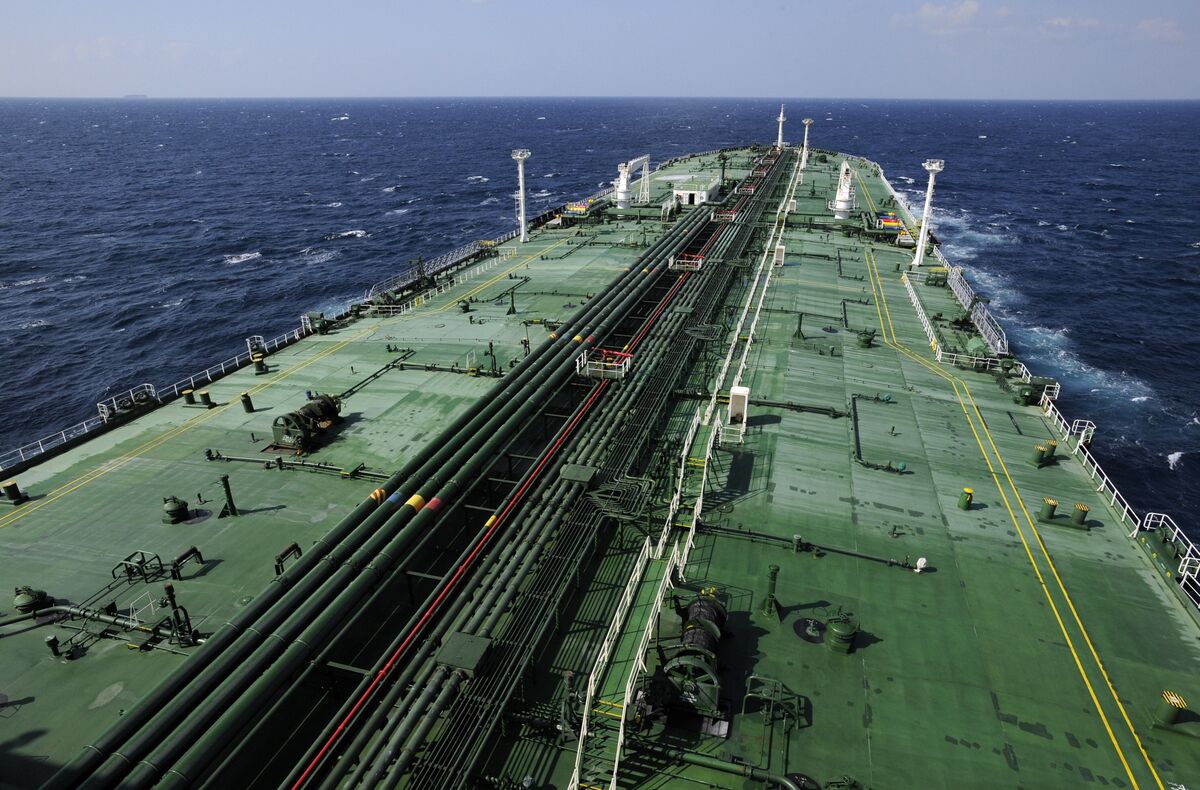
Record earnings in the oil supertanker market are spreading to smaller tanker classes, indicating broad-based strength across the global crude-shipping fleet. The article characterizes current supertanker conditions as unprecedented, supporting a favorable rate and profitability outlook for tanker operators.
Analysis
The key equity transmission is operating leverage: listed tanker owners have largely fixed vessel costs, so incremental spot-rate strength converts disproportionately into EBITDA, FCF and dividend capacity. DHT, Frontline (FRO) and Euronav (EURN) offer the cleanest crude-tanker beta; the market may still be underpricing the duration of cash returns if charter rates remain elevated through the Northern Hemisphere winter. A sustained high-rate environment also improves second-hand vessel values, reducing balance-sheet risk and potentially enabling accretive asset sales or buybacks.
The less obvious read-through is to product tankers. Higher crude freight costs widen regional refinery dislocations and can lengthen product-trade routes, favoring Scorpio Tankers (STNG) and TORM (TRMD), though their exposure is more dependent on refinery utilization and distillate demand than on crude flows alone. Newbuild ordering is the medium-term offset: strong cash flows can eventually induce capacity additions, but shipyard slots and delivery lags mean this is primarily a 2027-29 risk rather than a near-term supply response.
Near-term reversal risk is geopolitical normalization that shortens voyage distances, alongside weaker Chinese crude imports or OPEC supply restraint that lowers seaborne volumes. The consensus may over-focus on headline spot rates and underweight contract lag: reported earnings and dividends should strengthen over the next one to two quarters even if rates mean-revert moderately. The thesis is falsified if benchmark tanker rates fall sharply and remain below cash-breakeven-adjacent levels for 4-6 weeks, or if management teams shift from buybacks/dividends to aggressive fleet expansion.
AllMind Terminal
AI-powered research, real-time alerts, and portfolio analytics for institutional investors.
Request TrialMarket Sentiment
Overall Sentiment
moderately positive
Sentiment Score
0.45
Key Decisions for Investors
- Initiate a 3-6 month overweight in DHT and FRO versus XLE: these names provide more direct freight-rate operating leverage than integrated oil equities, with upside from earnings revisions and capital returns. Size modestly because spot exposure can create 30%+ equity drawdowns on a rate reversal.
- Pair long STNG / short a diversified industrial-transports proxy such as IYT over 3 months: prolonged trade-route inefficiency and refinery arbitrage should support tanker utilization while broader freight names remain more exposed to cyclical goods demand. Exit if product-tanker day rates fail to confirm crude-tanker strength.
- Use EURN as a lower-volatility crude-tanker expression for a 6-12 month horizon, contingent on management maintaining capital-return discipline. Watch fleet purchase announcements and net leverage; an acquisition-led expansion would weaken the rerating case.
- Set a monitoring trigger rather than add exposure immediately if VLCC strength is driven principally by temporary disruption: verify that one-year charter rates and second-hand vessel values rise alongside spot rates. Without that confirmation, treat the move as a trading signal rather than a durable FCF thesis.
More News
- Trump-GCC Summit in New York: What does each side want?
- Tech Rally Loses Steam In Europe as Oil Rises
- India’s Oil Problem Deepens on Pipeline Outage, Renewed US Pressure
- Oil Analyst Sankey Sees ‘Very Elevated’ Market Through End of 2027
- U.S. Treasury yields ease as investors await fresh jobs data, Fed comments
- McDonald's is hosting an investor day as its U.S. business struggles. Here are 4 things to expect