
UPI’s New Fee Tests the Economics of India’s Payments Boom
Source: Bloomberg
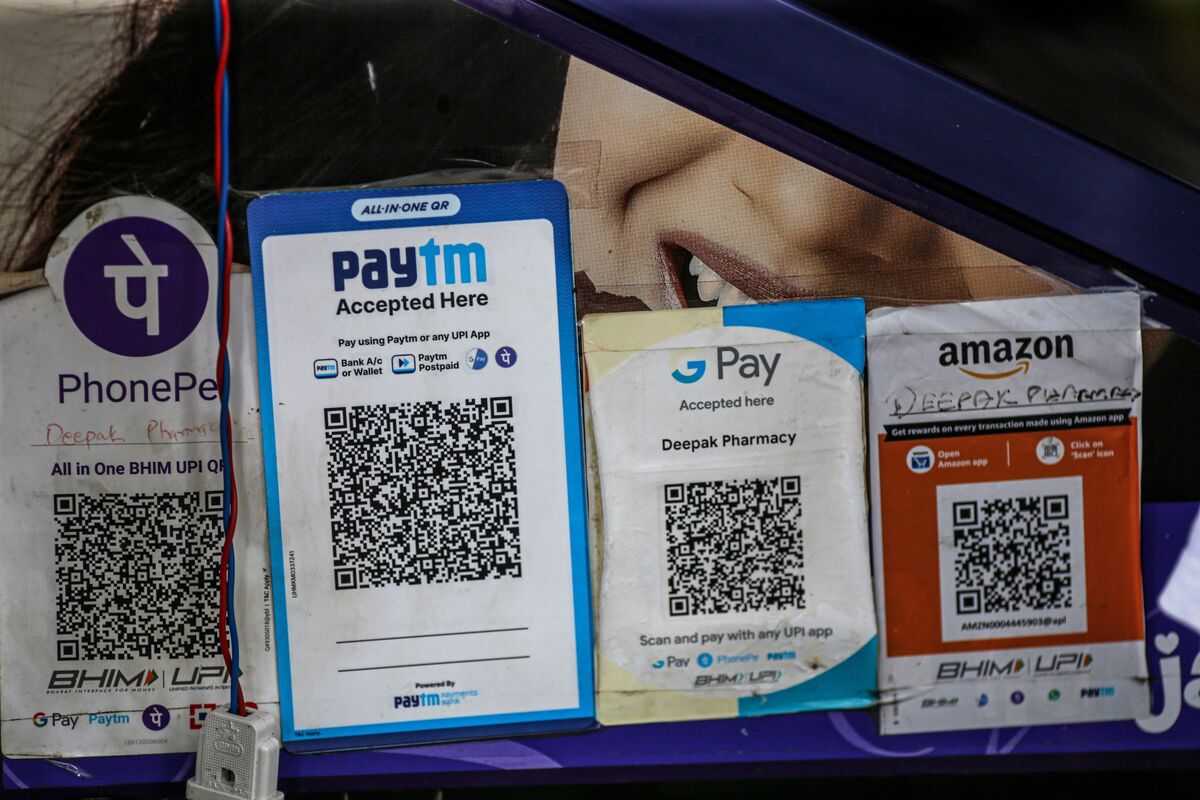
India will begin levying a fee on Unified Payments Interface (UPI) transactions from Oct. 15, aiming to fund technology investment, payment-security enhancements and further expansion of digital payments. The policy could strengthen the long-term sustainability of India’s rapidly growing digital-payments infrastructure, though differing views on the fee suggest potential adoption and consumer-cost concerns.
Analysis
The investable question is not whether a fee exists, but where incidence lands: merchant, consumer, issuer/acquirer bank, or government subsidy. A low, capped network charge paid by banks would improve the economics of payment infrastructure but could pressure banks with disproportionate low-ticket transaction volumes; a merchant-facing charge risks reversing adoption at the smallest retailers, where payment acceptance is highly price elastic. The implementing circular’s rate, exemptions for micro-merchants, and treatment of person-to-person transfers are therefore more material than the announced start date.
INFIBEAM’s payment-gateway economics could improve if pricing normalization permits transaction-fee pass-through, although this is contingent on it retaining a meaningful share of eligible flows rather than merely processing excluded transactions. ONE97’s upside is more ambiguous: monetization per transaction could rise, but any new merchant friction would be especially damaging to a model dependent on merchant engagement and cross-selling; regulatory and competitive constraints remain the dominant variables. HDFCBANK, ICICIBANK and SBIN should be evaluated on net settlement-cost exposure versus the potential to monetize merchant-acquiring relationships, rather than assumed beneficiaries.
Over 1-3 months, expect volatility around detailed rules and merchant-association pushback rather than a broad fintech rerating. Over 6-18 months, a durable funding stream for fraud controls and infrastructure could raise barriers to entry and shift value toward scaled payment processors, but only if fees are retained by the operating ecosystem rather than absorbed as a fiscal levy. Consensus may overstate the revenue opportunity: with high volume but low average ticket sizes, even a basis-point fee can produce political resistance and rapid dilution through exemptions.
AllMind Terminal
AI-powered research, real-time alerts, and portfolio analytics for institutional investors.
Request TrialMarket Sentiment
Overall Sentiment
mildly positive
Sentiment Score
0.15
Key Decisions for Investors
- No immediate directional sector trade until the implementing notification discloses fee rate, payer, transaction categories and merchant exemptions; treat the release as the primary 1-3 month catalyst.
- Place INFIBEAM on a long watchlist for a post-rule breakout only if the company confirms eligible payment-volume exposure and guidance implies positive net take-rate impact; target a 6-12 month position, with thesis invalidated by exemptions covering most merchant-payment flows or margin guidance remaining flat.
- Avoid treating ONE97 as a clean beneficiary. Consider reducing any tactical long exposure into the rule release unless management quantifies positive unit-economics impact; downside risk is a merchant-engagement slowdown if charges are passed through.
- For Indian banks, monitor quarterly payment-processing and merchant-acquiring cost disclosures at HDFCBANK, ICICIBANK and SBIN. A widening fee-cost line without offsetting merchant-fee income would favor underweighting high-volume retail-payment exposure versus corporate-focused lenders.
More News
- Congress passes sweeping US sanctions bill targeting Russia
- US official says upcoming spectrum auctions could generate more than $100 billion
- Investors react to Fed hike and market sell-off: Brace for 'higher for longer' rates
- House Passes Bill Allowing Trump Tariffs on Russian Oil Buyers
- AI Buildout Hits Inflation as Fed Hikes Rates
- Fed Rate Hike Looms as Retail Sales Surge
From AllMind Research
- Anthropic IPO Preview: Valuation, Timing, and What to Watch
- Shein After the IPO: Venue, Valuation, and What Must Be Proved
- What AI Research Tools Should a Small Hedge Fund Buy First?
- AI Research Tools for Pension Funds and Allocators
- AllMind's Data Standardization Methodology: Our Approach to Fundamentals