
India Slashes Edible-Oil Duties to Reduce Festival Food Costs
Source: Bloomberg
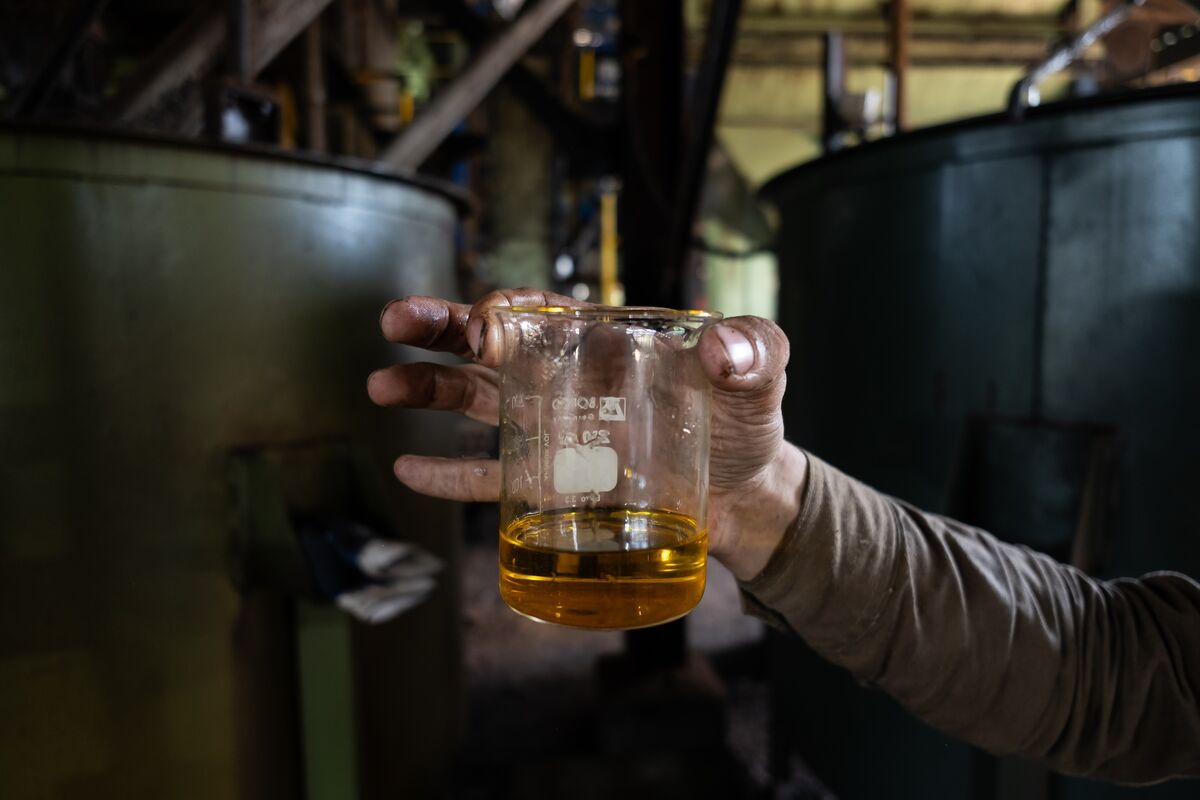
India halved import duties on crude palm and soybean oils to 5% from 10% and eliminated the tax on unrefined sunflower oil ahead of the festive season. The measures, which also reduce levies on refined edible oils, are intended to lower domestic food costs in the world's largest edible-oil importing market and could increase import demand for key vegetable oils.
Analysis
The duty reset compresses the domestic price umbrella for India’s refiners and branded edible-oil sellers while improving volume elasticity for mass-market food demand. The cleanest transmission is likely into lower realized prices rather than materially higher retail margins: packaged-food companies such as ITC, Britannia (BRITANNIA IN), Nestlé India (NESTLEIND IN), and quick-service operators have an opportunity to retain part of the input relief if competitive discounting remains contained. The effect should be most visible in the next 1-3 months, as imported cargoes clear and festival promotional pricing resets.
For global oils, India’s demand response matters more than the tariff arithmetic. Lower landed costs can pull forward buying of palm oil and soybean oil, supporting Malaysian palm-oil benchmarks and indirectly tightening the vegetable-oil complex; Bursa Malaysia-listed plantation exposure and Indonesia-linked producers are the more direct beneficiaries. Conversely, Indian listed refiners and consumer-oil brands—including Patanjali Foods (PATANJALI IN), Adani Wilmar (AWL IN), and Marico (MARICO IN)—face a mixed setup: cheaper feedstock helps working capital and absolute gross profit, but the narrowed crude-versus-refined duty differential reduces protection for local refining capacity.
Consensus may overstate the disinflation impulse. Edible oil is a salient household item, but lower wholesale prices will not necessarily translate one-for-one into headline CPI if retailers rebuild margins, the rupee weakens, or palm oil rallies on stronger Indian imports. The 6-18 month risk is policy reversibility: if import volumes widen the trade deficit or domestic oilseed growers face price pressure, tariff protection can be reinstated quickly, making this a tactical rather than structural margin event.
AllMind Terminal
AI-powered research, real-time alerts, and portfolio analytics for institutional investors.
Request TrialMarket Sentiment
Overall Sentiment
mildly positive
Sentiment Score
0.20
Key Decisions for Investors
- Tactical relative-value: long ITC / short PATANJALI IN over the next 1-3 months. ITC has diversified packaged-food exposure and can retain a portion of oil-cost relief; Patanjali has greater exposure to the loss of refining protection. Reassess if branded edible-oil pricing falls faster than crude input costs or if management guides to stable refining spreads.
- Watch, rather than initiate, a long Bursa Malaysia palm-oil exposure or Indonesia plantation basket: Indian buying should support demand, but entry requires confirmation from Malaysian Palm Oil Board inventory data and a sustained CPO price breakout. Thesis is invalidated by a sharp INR depreciation or evidence that buyers substitute toward cheaper soybean/sunflower oil.
- For India consumer staples, add selectively only after quarterly commentary confirms gross-margin retention: favor BRITANNIA IN and NESTLEIND IN versus broad FMCG exposure. A 50-100 bp gross-margin upside would be meaningful, but treat it as a 1-2 quarter catalyst; exit if promotional intensity forces full pass-through.
- Avoid a directional India inflation trade solely on this measure. Monitor food CPI and retail edible-oil prices over the next two monthly releases; absent visible pass-through, the policy is more supportive of household demand than a catalyst for lower rates.
More News
- New York Fed’s Williams says it's 'reasonable' to expect another rate hike by year-end
- Treasury yields continue to rise after 10-year hit 19-year high as investors ramp-up rate hike bets
- US, China Extend Trade Truce as Trump Welcomes Xi
- Europe Needs More Long-Term LNG to Avoid Energy Shocks, MET Says
- Trump-Xi summit: Here’s what’s on the agenda, and why it matters
- China now makes up a record 40% of all global container exports—and it’s a sign Trump’s tariffs meant to punish Chinese firms have fallen flat