
Envision Green Ammonia versorgt den weltweit ersten VLAC erfolgreich mit Treibstoff
Source: PR Newswire
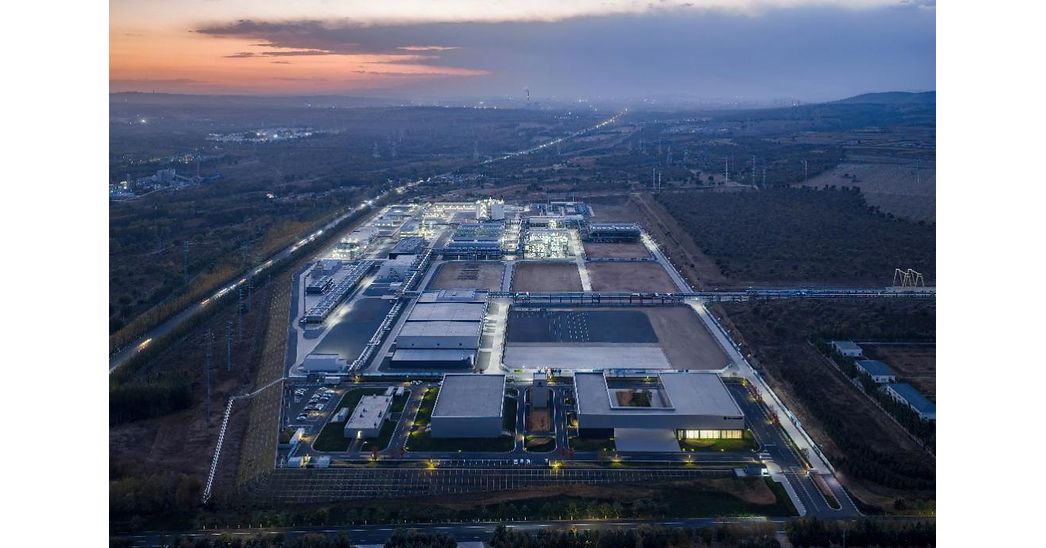
Envision supplied certified green ammonia to the Terra Clove, described as the world’s first very large ammonia carrier (VLAC) equipped with an ammonia dual-fuel engine, linking production through ship-fuel use. Its Chifeng facility in Inner Mongolia currently produces 320,000 tonnes of green ammonia annually and has planned total capacity of 1.52 million tonnes. The delivery demonstrates a potential scalable marine-fuel application, though the ship can also use conventional fuel.
Analysis
The commercial signal is stronger for technology validation than for near-term earnings: a live fuel-to-vessel chain reduces perceived execution risk, but a single bunker event does not establish repeat demand, cost competitiveness, or reliable operating performance. The key economic hurdle remains the delivered-cost premium of certified green ammonia versus conventional marine fuels; adoption becomes investable at scale only if regulation, carbon pricing, or customer contracts cover that premium.
Over 1–3 months, watch for repeat bunkering, disclosed fuel volumes, operating data, and firm orders rather than additional milestone announcements. Over 6–18 months, the beneficiaries—if adoption broadens—would be ammonia-capable engine and shipbuilders, port fuel infrastructure, and certified low-carbon ammonia producers. The second-order constraint is coordinated infrastructure: vessel orders can outpace safe storage, bunkering, trained crews, insurance capacity, and verified fuel supply. Dual-fuel capability limits owners’ downside but also means actual green-ammonia consumption and emissions reductions may lag installed capacity.
The contrarian read is that the announcement may overstate commercial readiness: certification and technical feasibility do not prove lifecycle economics or independently measured emissions at operating scale. No mapped public-company identities or financial terms are supplied, so this is not a defensible standalone equity catalyst. Reassess if repeat deliveries and operating evidence emerge; the thesis weakens if adoption remains demonstration-led, fuel-cost premiums persist without regulatory support, or safety/insurance requirements delay deployment.
AllMind Terminal
AI-powered research, real-time alerts, and portfolio analytics for institutional investors.
Request TrialMarket Sentiment
Overall Sentiment
strongly positive
Sentiment Score
0.55
Key Decisions for Investors
- No immediate directional trade on the announcement alone. Treat it as a modest de-risking signal for the ammonia-fuel ecosystem, not evidence of material near-term revenue for any named participant.
- Put ammonia-capable marine engines, shipbuilders, port infrastructure, and certified green-ammonia suppliers on a 1–3 month catalyst watchlist; require repeat bunkering, contracted volumes, and disclosed operating performance before adding exposure.
- Track regulatory carbon-cost and maritime fuel-standard developments alongside delivered green-ammonia versus conventional-fuel economics. These determine whether the 6–18 month opportunity shifts from pilots to orders and recurring fuel demand.
- Falsifiers: no repeat commercial fueling or vessel orders, evidence that owners primarily use conventional fuel, or safety, insurance, and infrastructure constraints that delay deployment. Verify actual fuel volumes, lifecycle-emissions methodology, and contract economics before underwriting earnings impact.
More News
- Binance co-CEO Richard Teng says hackers used fake job interviews, AI tool to steal $6.3 billion in crypto 108511116
- AMD stock jumps 7% on earnings as data center revenue nearly doubles
- Marvell-Lumentum Deal Puts Optical Networking at the Center of the AI Boom
- The Strait of Hormuz closure has cost Europe an extra $142 billion for the same energy it was already buying
- Marvell Technology could plunge on latest multibillion-dollar acquisition
- Disney Plans Thousands of Layoffs Companywide