
Malaysia Johor Regent TMJ’s Plan to Sell Singapore Land Clouded by Huge Tax Bill
Source: Bloomberg
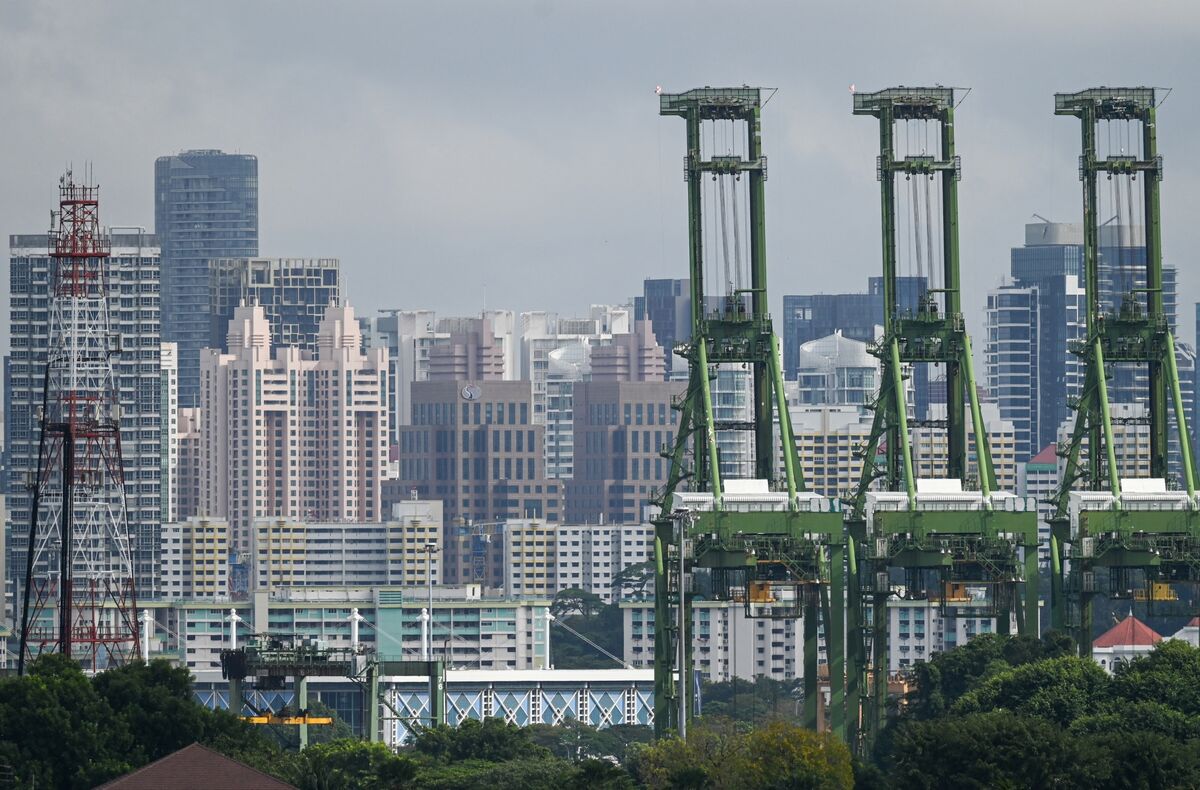
A planned sale of prime Singapore land by Malaysia’s royal family faces a potential tax drag, with a land betterment charge possibly exceeding $1B. The sticking point in negotiations is whether the buyer will assume the levy, as the current owner reportedly wants buyers to foot the bill. The uncertainty around who pays the tax cloud the transaction timeline and pricing.
Analysis
This is less a one-off tax dispute than a test of how much friction Singapore can impose on trophy-land monetization before deal velocity breaks. The immediate losers are leveraged developers and anyone trying to recycle land into cash; a $1B+ incremental charge can wipe out the IRR spread on a transaction that looked executable at the headline price. The second-order winner is the incumbent owner of completed assets: if redevelopment becomes harder, scarcity value shifts toward standing prime stock rather than landbanks.
The near-term catalyst path is binary over days to weeks: either the buyer absorbs part of the levy and the clearing price resets lower, or the sale stalls and comparable transactions in Singapore’s top-end land market go dark. If it stalls, expect bid-ask spreads on other prime sites to widen and transaction volume to slow for 1-3 months as bidders re-underwrite worst-case taxes. Over 6-18 months, the structural effect is modest unless this becomes a precedent for other prized parcels, in which case foreign capital will demand a higher hurdle rate for Singapore development plays.
The consensus risk is treating this as pure negotiation theater. At this size, the tax changes financing math, not just bargaining leverage: cash-rich buyers are advantaged, highly levered ones are forced out, and the market may be underestimating how many deals depend on an aggressive land-price clearing assumption. The thesis is falsified if the parties announce a split of the levy, if the authority clarifies this charge is idiosyncratic, or if the asset sells with only a small discount to the pre-tax framework.
AllMind Terminal
AI-powered research, real-time alerts, and portfolio analytics for institutional investors.
Request TrialMarket Sentiment
Overall Sentiment
mildly negative
Sentiment Score
-0.35
Key Decisions for Investors
- No direct trade in RYSMF/TBXXF/UILCY on this story; there is no clean valuation bridge and the read-through is too indirect.
- If you want a tactical expression, short Singapore developer exposure on any relief rally for 2-4 weeks (e.g., C09.SI, U14.SI) with a stop if a buyer-seller tax split is announced; target 5-8% downside from sentiment compression.
- Prefer relative-value long completed-asset landlords over landbank-heavy developers in Singapore for 1-3 months if local access exists; the mechanism is reduced future supply and higher scarcity premium for standing assets.
- Use EWS only as a hedge, not a primary bet: a small 1-3 month EWS put spread makes sense only if the headline starts dragging broader Singapore risk assets; otherwise the index is too diluted by non-property sectors.
- Set an alert for a disclosed levy allocation or regulatory clarification; if the charge is negotiated below expectations, cover any short developer exposure immediately because the trade is mainly about financing friction, not operating fundamentals.
More News
- Trump waives broad new Russia sanctions and tariffs under Graham Act, citing national interest
- ECB's Lagarde says bond selloff will slow inflation
- Iran-backed Houthis strike Yemen’s Aden: What that means
- Christine Lagarde: IMFC Statement
- Why did CoreWeave stock get crushed this week? Look to this corner of the debt market for clues
- Solar power booms in Philippines as war on Iran spikes energy costs