
Parks Associates: Managed Connectivity Is Becoming Essential Infrastructure For The Modern Multifamily Experience
Source: PR Newswire
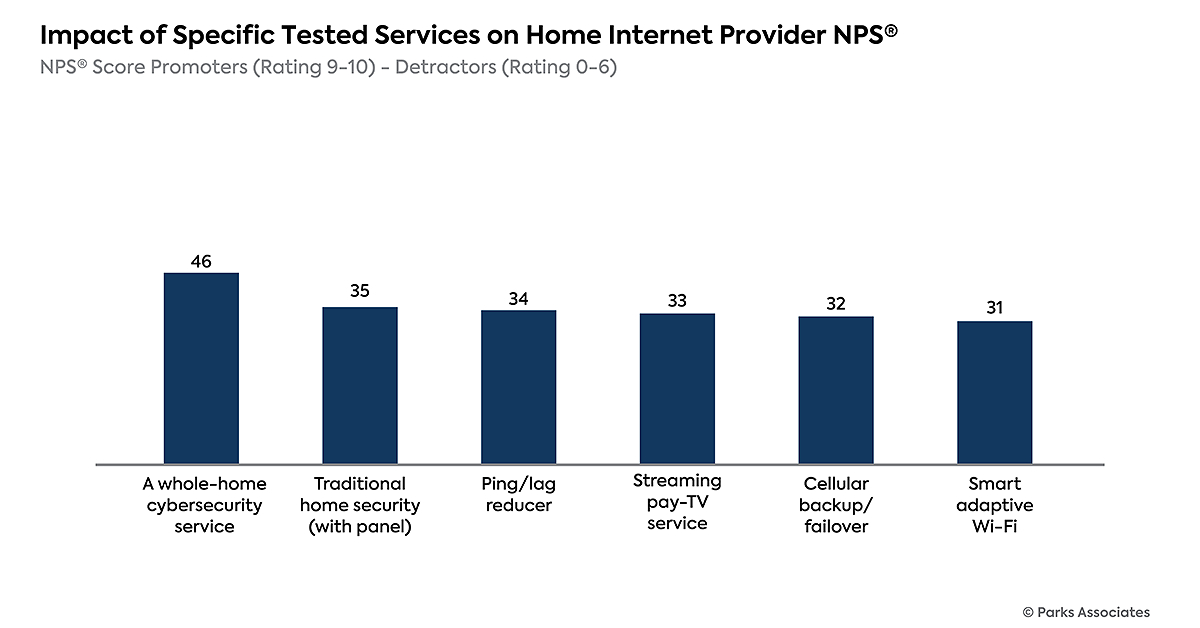
Parks Associates and Calix released research positioning managed broadband connectivity, cybersecurity, and smart-home services as key drivers of resident satisfaction and property value in multifamily housing. The study notes that U.S. households average approximately 17 connected devices, 49% own at least one smart-home device, and whole-home cybersecurity users report a home-internet-provider NPS of 46. The release is supportive of long-term demand for managed multifamily connectivity but provides no new financial results, contracts, or guidance.
Analysis
This is demand-generation collateral rather than an independently validated order signal, so it should not alter near-term CALX estimates. The relevant mechanism is whether managed multifamily deployments convert from hardware-led projects into recurring cloud, security, and managed-services revenue for Calix’s service-provider customers; that mix would support gross-margin durability and reduce the company’s exposure to episodic access-network capex. The addressable opportunity is real but fragmented: property-owner sales cycles, bulk-service contract negotiations, and installation logistics make meaningful revenue contribution more likely over 6-18 months than in the next quarter.
Competitive read-through is modestly favorable for CALX versus traditional broadband hardware vendors such as ADTN and CIEN because its differentiated value proposition is software-enabled subscriber experience rather than transport capacity alone. However, the economics accrue first to fiber ISPs and managed-service operators, not necessarily to CALX: providers may deploy third-party Wi-Fi, security, and property-management integrations from CommScope (COMM), eero/Amazon, Plume, or Cisco (CSCO). A sustained MDU upgrade cycle would also favor fiber builders and local providers, while legacy cable operators face higher retention and service-cost pressure if they cannot match instant-on, managed Wi-Fi offerings.
Near term, avoid extrapolating survey interest into bookings. The actionable catalyst is evidence that CALX’s remaining performance obligations, cloud/managed-services attach rate, or subscriber-revenue metrics accelerate over the next 1-3 earnings reports; absent that evidence, this is unlikely to overcome broader rural-broadband funding timing and carrier capex variability. The thesis is falsified if service-provider customers report continued MDU deployment delays, CALX guides software/services mix or gross margin lower, or competitive Wi-Fi/security bundles compress pricing.
Contrarian view: the market may underappreciate the operational value of fewer truck rolls, faster tenant activation, and lower churn for smaller fiber providers—benefits that can justify software spend even during weak network-build capex. But CALX’s sponsored research should be treated as positioning, not proof of pricing power; the key question is whether providers retain enough of the property-level economics to fund incremental platform licenses.
AllMind Terminal
AI-powered research, real-time alerts, and portfolio analytics for institutional investors.
Request TrialMarket Sentiment
Overall Sentiment
mildly positive
Sentiment Score
0.30
Ticker Sentiment
Key Decisions for Investors
- Maintain CALX as a watch-list long rather than initiate on this release. Upgrade only if the next two quarterly reports show accelerating recurring software/services revenue or explicit MDU customer wins alongside stable-to-higher gross margin; target a 6-12 month holding period, with thesis invalidation on a material guide-down tied to customer capex.
- For existing CALX exposure, use earnings-driven volatility rather than the white paper as the catalyst: retain a core position only if valuation remains supported by recurring-revenue growth, and reduce if bookings/RPO fail to convert into revenue over the following 1-3 quarters.
- Monitor ADTN and COMM for MDU-related order commentary as a competitive cross-check. Broad strength across access, in-building Wi-Fi, and managed-service vendors would validate an industry deployment cycle; isolated CALX claims without peer confirmation argue against adding risk.
- Set an alert for fiber-provider consolidation or bulk-MDU contract announcements. Such events could create a 6-18 month upsell channel for CALX, but require disclosed platform attachment or customer economics before treating them as a tradable revenue catalyst.
More News
- US job growth expected to slow in September; unemployment rate likely steady
- SoftBank completes final phase of $30 billion investment in OpenAI
- Trump launches midterms campaign blitz amid record low approval ratings
- Amazon seeks to offload $8 billion of Nvidia chips to investors, FT reports
- Amazon seeks to offload $8 bln of Nvidia chips to investors- FT
- Fed’s Cook sees AI buildup as top inflation risk for 2027