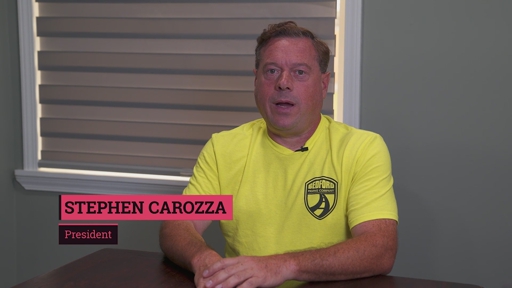
The article provides practical guidance on why properly constructed two-layer asphalt driveways last longer, emphasizing graded/compacted foundations and well-compacted surface layers to reduce moisture infiltration and cracking. It highlights how the base layer provides structural support while the top layer protects against sunlight, seasonal temperature cycling, and daily vehicle loads. It also stresses maintenance like sealcoating and crack sealing to preserve pavement integrity over time.
This is not an investable read-through for CRMT; it is effectively promotional content about residential maintenance, not a macro or sector signal. The only plausible mechanism is a very indirect one: homeowners who invest in preventive driveway maintenance may marginally support local service spend, but that is too small and too diffuse to matter for used-car retail economics. CRMT is far more sensitive to credit availability, delinquency trends, vehicle affordability, and tax-refund seasonality than to any anecdotal housing-maintenance trend.
The bigger risk is over-interpreting the word "infrastructure" and forcing a theme trade where there is none. If anything, the second-order beneficiaries are private-market paving contractors and perhaps aggregate/asphalt suppliers, but those are not the public equities the market would re-rate on a single local-interest article. Time horizon matters here: any actual uptick in home maintenance spend would be a multi-quarter, low-beta effect, while the falsifier for CRMT remains hard consumer-credit data, not newsflow like this. Bottom line: no trade, unless broader data confirm a genuine change in lower-income household balance-sheet health or home-improvement demand.
AI-powered research, real-time alerts, and portfolio analytics for institutional investors.
Request TrialOverall Sentiment
neutral
Sentiment Score
0.00
Ticker Sentiment
