
Stasis introduces the first day-and-night supplement system built for children who take stimulants
Source: PR Newswire
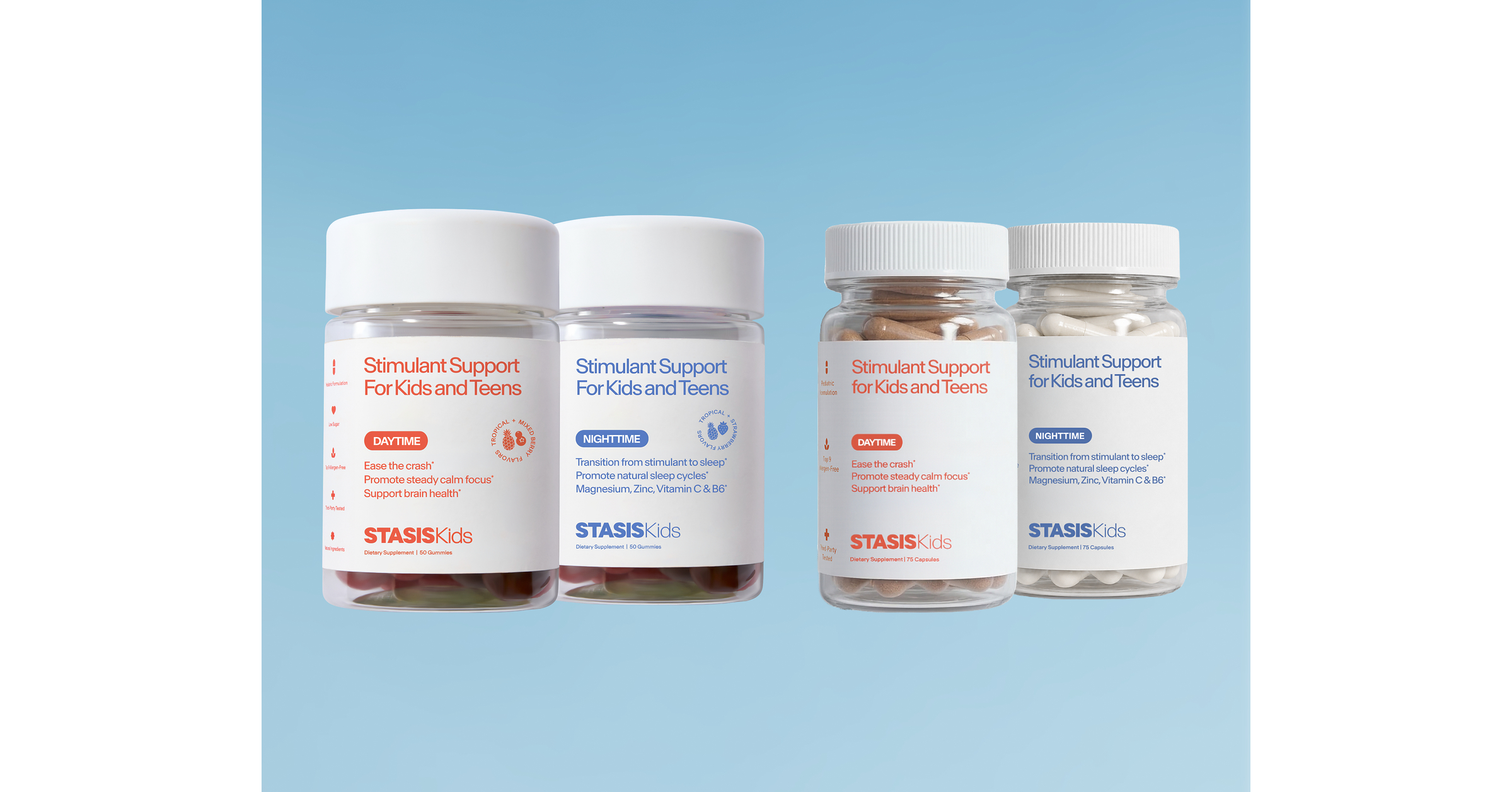
Stasis launched Stasis Kids, a day-and-night nutritional supplement system for children ages 6–17 who take prescription stimulants, offered online in gummies or capsules starting at $40. The product is positioned as a complement to stimulant treatment, with formulas targeting stress response, mood and sleep support. The launch addresses a potentially growing customer base: U.S. stimulant prescriptions reached 16.5 million people in 2023, up 48% over a decade.
Analysis
This is not investable for IQV: the cited prescription dataset is a marketing input, not evidence of incremental IQVIA revenue, contract activity, or changed demand for its data services. The launch instead highlights a small but growing adjacency around stimulant-related side-effect management, where consumer-pay cash-pay products can capture value without affecting prescription volumes or branded pharmaceutical economics.
Near term, there is no meaningful public-equity read-through. The relevant market mechanism is direct-to-consumer repeat purchase: a day/night regimen can produce recurring revenue if adherence and parent retention are high, but customer-acquisition costs, pediatric trust barriers, and physician skepticism are likely to dominate unit economics over the next 1-3 months. The company’s clinical-language positioning should not be equated with validated efficacy; supplement claims remain materially below drug-label standards.
Over 6-18 months, a successful category could modestly pressure premium pediatric nutrition incumbents and create acquisition optionality for consumer-health platforms such as Haleon (HLN), Kenvue (KVUE), or Nestlé (NESN.SW), but the addressable revenue is too uncertain to underwrite today. The contrarian point is that pediatric stimulant use is a poor proxy for supplement conversion: clinician caution around combining botanicals with psychostimulants and uneven reimbursement-free affordability may sharply limit penetration. Evidence of sustained subscription retention, retail distribution, adverse-event scrutiny, or FDA/FTC action would determine whether this remains niche or becomes a scalable category.
AllMind Terminal
AI-powered research, real-time alerts, and portfolio analytics for institutional investors.
Request TrialMarket Sentiment
Overall Sentiment
mildly positive
Sentiment Score
0.28
Key Decisions for Investors
- No position in IQV: maintain neutral exposure; the citation creates no identifiable earnings sensitivity. Reassess only if IQV discloses a commercial data, trial-services, or consumer-health analytics agreement tied to this category.
- Place HLN and KVUE on a 6-12 month watchlist rather than buying on launch: monitor whether stimulant-adjacent pediatric supplement SKUs gain meaningful retail shelf space or demonstrate repeat-purchase traction. A strategic acquisition or category rollout would be the actionable catalyst.
- Avoid treating this as a long catalyst for stimulant manufacturers; the product is positioned as complementary, and any indirect benefit from improved persistence is too speculative to model. Thesis would require independently reported prescription persistence or refill data.
- Set a regulatory alert for FDA warning letters or FTC substantiation actions involving pediatric mood, stress, or sleep claims. Such action would reduce category valuations and likely favor scaled incumbents with stronger compliance infrastructure over DTC entrants.
More News
- Chinese investors rush into US stocks as Beijing opens wider path overseas
- Is Amazon Stock a Buy After Its Best Quarter in Years?
- Federal Reserve decision, retail sales, and oil inventories due Wednesday
- Wells Fargo sees improvement in a key metric — plus, Lilly gets praise beyond GLP-1s
- Beta Bionics prices $150M public offering at $17.25/share
- Why Dave & Buster's Stock Tumbled Today