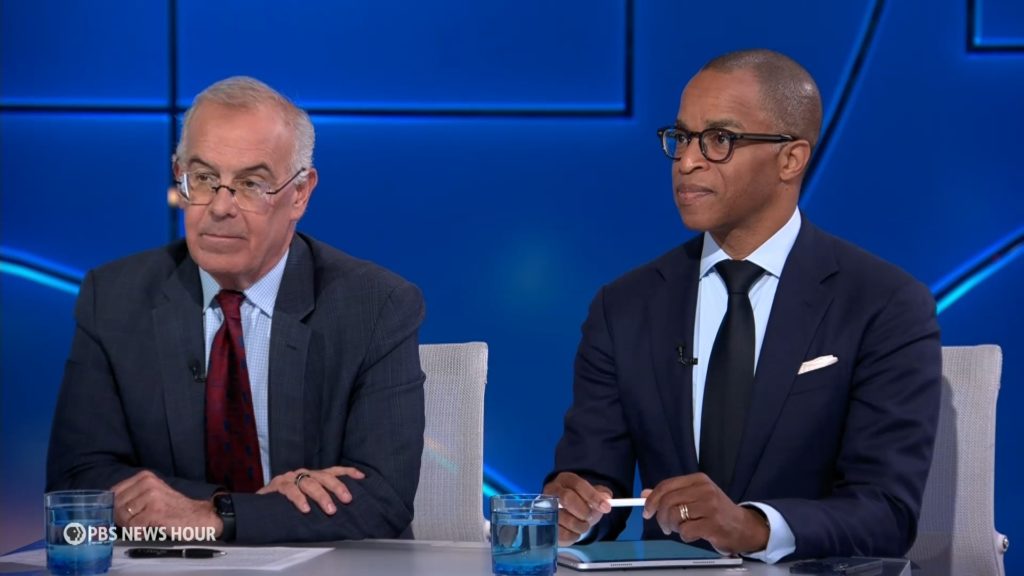
Republicans showed limited but notable defiance of President Trump, with four House Republicans joining Democrats on a war powers resolution and opposition emerging to a proposed $1.8 billion anti-weaponization fund and a $1 billion White House ballroom item. The segment also highlighted fresh misconduct allegations against Maine Senate candidate Graham Platner, while debate continued over whether artists should perform at the America 250/Freedom 250 events.
The near-term market read-through is less about ideology than about institutional friction: when a ruling party starts selectively rebelling, it usually signals a weakening control premium for the White House and a higher probability of legislative surprise. That matters for event-driven positioning because the first-order impact is modest, but the second-order effect is that spending, regulatory, and personnel assumptions become less reliable into the next budget/appropriations window. The relevant horizon is weeks to a few months, not years.
The Maine Senate race introduces a different trade-off: Democrats may optimize for seat probability over candidate quality, which can help them in a narrow polling environment but increases late-cycle headline risk and fundraising volatility. If the nominee remains in place, expect elevated downside convexity for the Democratic side if new revelations continue, while the incumbent benefits from a classic “less risky than the alternative” framing. The market implication is not broad beta, but localized media-adjacent and political-ad spending sensitivity into the final stretch.
The America 250/celebrity-performance controversy is mostly a signaling issue, but it highlights a broader cancellation risk for brands that align too visibly with partisan state events. That tends to hit reputation-sensitive consumer and media names first, especially where talent, sponsorship, or event partnerships can be renegotiated quickly. The contrarian point: the noise may be overdiscussed, yet it reinforces a genuine scarcity of cross-partisan cultural platforms, which lowers the ceiling on mass-market political merchandising and sponsored-event monetization.
AI-powered research, real-time alerts, and portfolio analytics for institutional investors.
Overall Sentiment
neutral
Sentiment Score
-0.05
Ticker Sentiment
