
SEABOURN ANNOUNCES 138-DAY "2029 WORLD CRUISE: ICONIC ISLANDS & REMOTE HORIZONS"
Source: PR Newswire
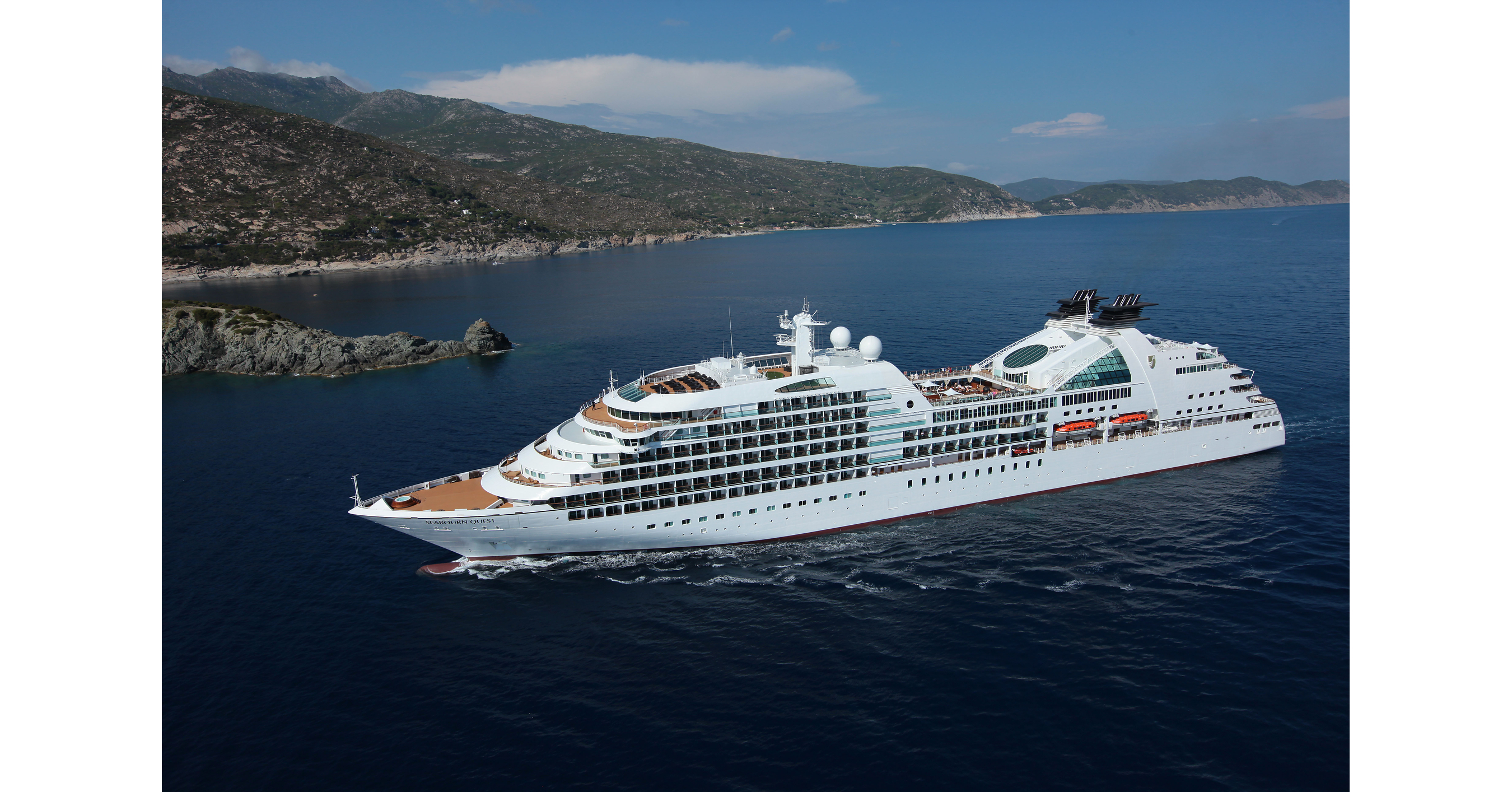
Seabourn opened bookings for a 138-day 2029 World Cruise (Seabourn Quest) from Miami to Lisbon (Jan 7–May 26, 2029) covering 58 destinations across 31 countries/territories and 32,000+ nautical miles, including 25+ UNESCO World Heritage sites. The offer includes up to $4,000 shipboard credit per Veranda Suite, up to $8,000 per Penthouse Suite+, and a 10% early booking savings for full-cruise or eligible segments booked by Sep 17, 2026 (with optional Seabourn Journeys add-ons). Announcement is promotional with limited direct financial read-through, but supports demand visibility for Carnival Corp’s premium cruise portfolio.
Analysis
This is more brand signaling than earnings signal. For CCL, the only economically meaningful read-through is whether the luxury sub-brand can keep widening the gap between premium itineraries and the mass-market fleet, because that supports mix, pricing, and onboard spend even if the specific voyage is immaterial today. The market should treat this as a low-frequency proof point that CCL can still sell high-ticket inventory far enough in advance to take deposits and de-risk future occupancy.
Second-order, the main beneficiary is actually the cruise sector’s premium tier: CCL’s ability to showcase a differentiated, itinerary-led product pressures RCL and NCLH to defend their own luxury offerings, but it also reinforces that demand is not purely recession-sensitive if the product is scarce and status-oriented. The flip side is that this does little for near-term P&L, and the long booking horizon means any economic slowdown, FX shock, or geopolitical route change can still hit close-in demand before 2029 sailings matter. In that sense, the press release is useful mostly as a leading indicator for affluent travel appetite, not a tradable revenue event.
Contrarian view: the consensus may overrate “luxury cruise” as a structurally accelerating growth vector when it is still a niche share of the fleet and highly dependent on marketing cadence. If CCL fails to show better yield per berth, lower cancellation rates, or faster deposit conversion in upcoming quarters, this becomes just an expensive brochure. The thesis is falsified if CCL’s premium occupancy or ticket yield trends decelerate versus RCL over the next 1-3 quarters, or if management refrains from reiterating premium mix gains on earnings calls.
AllMind Terminal
AI-powered research, real-time alerts, and portfolio analytics for institutional investors.
Request TrialMarket Sentiment
Overall Sentiment
mildly positive
Sentiment Score
0.15
Ticker Sentiment
Key Decisions for Investors
- No immediate directional trade: treat this as a sentiment-positive but low-impulse event for CCL; wait for the next earnings print to confirm luxury yield / occupancy before adding risk.
- Relative-value idea: long CCL / short NCLH on weakness if upcoming booking commentary shows continued premium-mix outperformance; target 6-12 months, with the short leg hedging a broader cruise demand slowdown.
- Use as a watch item for CCL call spreads only if management later quantifies higher deposit conversion or better-than-peer pricing power; otherwise avoid paying up for optionality on a non-event.
- Monitor RCL and VIK as competitive checks: if they begin highlighting similar ultra-premium itinerary demand, the differentiation premium for CCL’s luxury segment will compress.
- Falsifier alert: if CCL’s next two quarters show no improvement in yield or onboard spend versus peers, fade any valuation premium tied to luxury-brand narratives.
More News
- Why did CoreWeave stock get crushed this week? Look to this corner of the debt market for clues
- Solar power booms in Philippines as war on Iran spikes energy costs
- Palantir patient data tech rejected by many NHS trusts in England
- Diageo's Toxic Spill Hits Pristine River in Scottish Whisky Country
- Wall Street's fear gauge is ripping. Traders see it going even higher
- Stock fixing scandal could see Turkish companies frozen out of global indexes