
Smarter Cars, Robots and Disease Prevention: WSTDF Examines How Future Industries Take Shape
Source: PR Newswire
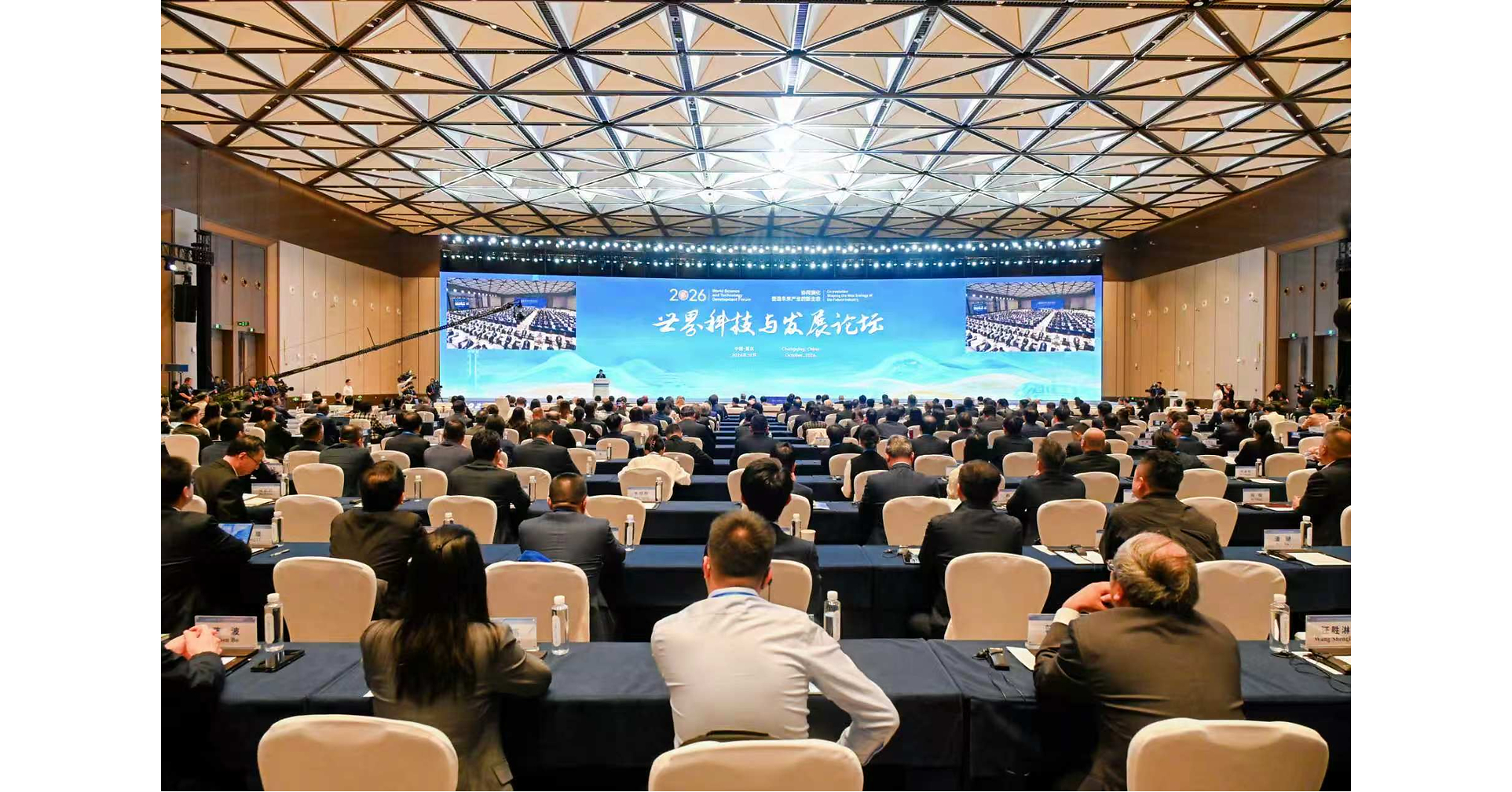
The 2026 World Science and Technology Development Forum opened in Chongqing with around 800 participants and 12 parallel forums, examining automotive technology, robotics, AI, green energy and disease prevention. Speakers highlighted potential applications including intelligent vehicles, industrial and care robots, and digital-twin models for epidemic prevention, while emphasizing international cooperation, interoperability and technology governance. The forum also released its Top 10 Science and Technology Foresights of 2026.
Analysis
This is agenda-setting, not evidence of demand: no funded deployments, orders, or measurable commercial milestones are disclosed. The near-term risk is thematic overpricing of AI, robotics, and intelligent-vehicle names on policy language alone; the more investable signal would be subsequent procurement, repeat deployments, and revenue conversion.
The second-order opportunity is in enabling infrastructure—sensing, connectivity, compute, simulation, and systems integration—rather than assuming vehicle makers or humanoid-robot developers capture the economics. But standards and interoperability are also potential bottlenecks: fragmented technical or data rules could keep deployments local and raise integration costs, limiting scale. For vehicle-to-grid, utilization and grid-market rules matter as much as vehicle capability; higher participation could benefit flexible-power infrastructure while creating battery-wear and revenue-sharing questions for automakers and owners.
Over 1–3 months, watch for named pilots converting into tenders, budgets, or commercial contracts; absent that, forum-driven price strength is vulnerable to reversal. Over 6–18 months, adoption will depend on reliability, unit economics, standards, and regulatory permission—not conference forecasts. Disease-surveillance tools may have public value without generating durable private-sector revenue unless procurement and data-sharing frameworks are established. The contrarian read: the technology narrative may be directionally right, but the forum provides little basis to identify listed-company winners or quantify earnings impact.
AllMind Terminal
AI-powered research, real-time alerts, and portfolio analytics for institutional investors.
Request TrialMarket Sentiment
Overall Sentiment
neutral
Sentiment Score
0.10
Key Decisions for Investors
- No event-driven position is warranted from this announcement alone. Avoid chasing broad AI, robotics, or EV theme exposure on the forum’s optimistic tone.
- Put intelligent-vehicle and robotics infrastructure on a catalyst watchlist; require evidence of funded deployments, repeat orders, or disclosed customer economics before adding exposure.
- For any vehicle-to-grid thesis, verify local market rules, battery degradation and warranty treatment, and who captures grid-service revenue. These determine whether value accrues to automakers, utilities, or infrastructure providers.
- Falsification trigger: if announced pilots fail to progress to tenders or commercial contracts over the next 1–3 months, treat related thematic strength as sentiment-led; a sustained pickup in disclosed deployments would warrant reassessment.
More News
- US tech stocks tumble as investors fret over AI spending
- Asian shares wobble as tech rout boosts bonds, dents rate hike bets
- Asia stocks fall as AI rout batters S.Korea; Japan spooked by strong CPI
- AI debt and French bonds face a stress test — why it may not be over
- Nasdaq 100 Drops as Oil Rise Fuels Risk-Off Mood
- SK Hynix shares slide after chipmaker scraps Solidigm IPO plans