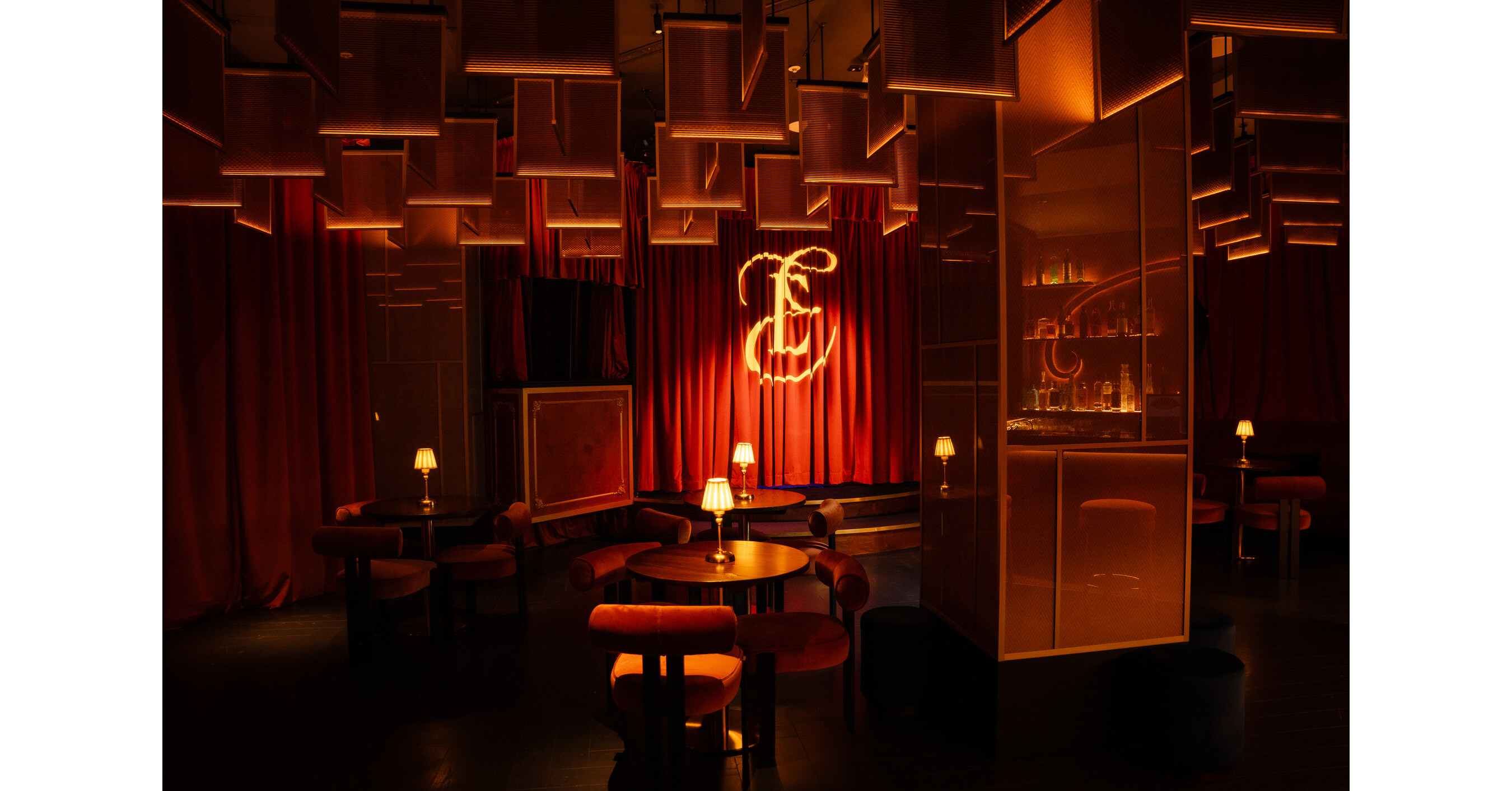
L’article présente Esmeralda’s Mayfair (Londres) comme une nouvelle destination de vie nocturne : concerts intimistes (soul/funk/disco) puis DJ set house/disco, avec cocktails signatures et dîners tardifs. Il cite des créations cocktail comme « Dubai Layover » et « Paloma-Politan », ainsi qu’une offre culinaire haut de gamme (ex. caviar Ossetra en « Caviar Nugget »). Aucun élément financier/économique ni impact de marché n’est rapporté.
The economic signal here is not venue-level revenue, but reinforcement of the premium-spend ecosystem that AXP monetizes better than most payment peers. Brands that create status-heavy, experience-led consumption tend to increase cardholder stickiness and wallet share, which matters for AXP because fee economics improve when affluent users keep charging discretionary travel/entertainment rather than shifting to lower-yield rails.
The second-order read is that this is a late-cycle luxury demand indicator, not a catalyst by itself. If this category keeps expanding, it supports premium-card pricing power and partner economics; if it fades, the first damage will show up in merchant volume and benefits utilization before it shows up in credit losses. The risk window is months, not days: a softening in wealthy consumer spend, FX pressure on inbound tourism, or a broader pullback in nightlife/entertainment budgets would reverse the thesis faster than any one opening can validate it.
Consensus may be overestimating the fundamental importance of a single high-end concept. The real question for AXP is whether premium lifestyle spending is broadening enough to support spend growth above the market, not whether one Mayfair destination succeeds. Watch AXP’s billed business, T&E mix, and card-fee growth over the next 1-2 quarters; if those metrics fail to accelerate, this is just marketing noise, not an investable signal.
AI-powered research, real-time alerts, and portfolio analytics for institutional investors.
Request TrialOverall Sentiment
neutral
Sentiment Score
0.00
Ticker Sentiment
