
Industry Urges SEC to Keep Existing Rules for Novel ETFs
Source: Bloomberg
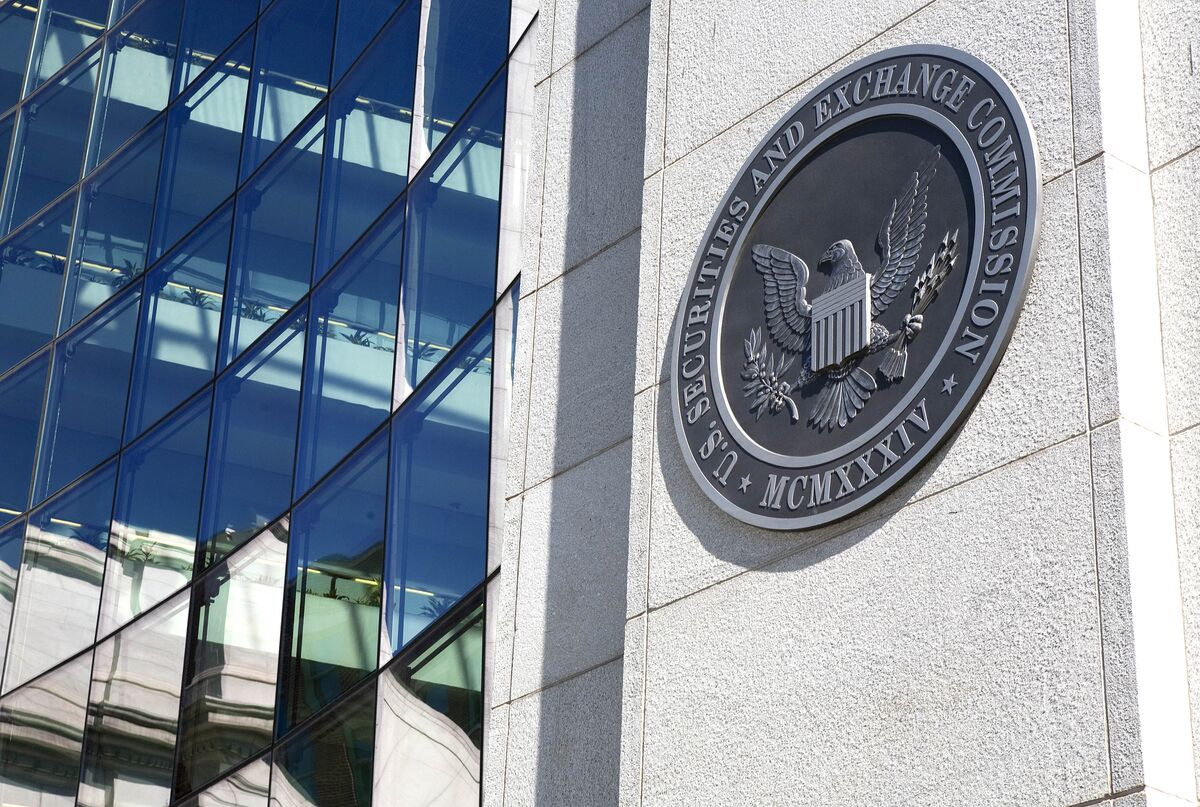
ETF shops told the SEC that the current ETF rulebook should work fine for novel ETF funds as the regulator considers its next steps. The piece also notes the SEC had signaled in June that it is rethinking its approach to overseeing ETFs. Overall, the news is more about regulatory process than an immediate policy change, implying limited near-term market impact.
Analysis
The market implication is less about ETF demand and more about who captures the economics of innovation. If the SEC leaves the existing framework largely intact, the advantage shifts to large-scale sponsors and infrastructure names that can absorb filing, legal, and surveillance costs while monetizing distribution across a broad shelf. That is mildly supportive for BLK and, to a lesser extent, STT; it is a headwind for smaller managers that were counting on a lower-friction approval regime to launch differentiated products and grow into the fee curve.
Second-order, a slower pace of "novel" launches can actually reduce fee compression at the margin in crowded corners such as thematic, leveraged/inverse, and income-oriented wrappers. The tradeable effect is not immediate: the next 1-3 months are about SEC process signals, not P&L, while the 6-18 month effect is whether product creation remains concentrated in the hands of a few incumbents. If the SEC does move toward a more permissive template, the beneficiaries may be exchanges, APs, and market makers before it becomes a clean sponsor revenue story.
The contrarian view is that the consensus may be overestimating the earnings value of product novelty. Many "innovative" ETFs are small-AUM, high-support businesses that cannibalize shelf space and create complexity without moving firmwide economics much. A rulebook that stays restrictive may therefore be only mildly bullish for incumbent platform quality, while any surprise liberalization would be the real negative for that incumbent-moat thesis. The key falsifier is a concrete SEC proposal that shortens time-to-market or expands generic listing standards; absent that, this looks like a watch item rather than a high-conviction trade.
AllMind Terminal
AI-powered research, real-time alerts, and portfolio analytics for institutional investors.
Request TrialMarket Sentiment
Overall Sentiment
neutral
Sentiment Score
0.00
Key Decisions for Investors
- No immediate directional ETF-sector trade; treat this as a process-driven watch item until the SEC provides a concrete framework.
- Modest relative-value long BLK / short TROW for 3-6 months if the SEC signals no change: thesis is that scale and distribution capture the economics while slower innovation protects incumbent pricing power.
- Add STT on weakness as a lower-beta proxy for ETF infrastructure and servicing demand; thesis works best over 6-18 months if product complexity remains high and launch activity stays concentrated.
- If the SEC unexpectedly proposes a faster approval template, cut any incumbent-moat exposure and rotate to exchange/liquidity beneficiaries such as CBOE or NDAQ on higher launch velocity expectations.
- Set an alert for the next SEC comment/roundtable cycle; invalidate the status-quo thesis if approval timelines shorten materially or generic listing standards broaden.
More News
- AI stocks plunge. Inflation heats up. Where we're still finding opportunities
- AI rapidly improving, could vastly boost U.S. GDP, Anthropic's Clark tells policymakers
- Semiconductor market to remain solid ‘at least through next year,’ South Korea finance minister says
- Nasdaq Index: AI Selloff Deepens as Chips and CoreWeave Break
- Tunisia’s economic crisis deepens as the promise of a better life fades
- States sue OpenAI, saying it gives life to ‘cyberhacking agents’ while ChatGPT hurts children and deceives adults