
Apple iPhone 18 Pro Review: Camera and Battery Upgrades, Improved Performance
Source: Bloomberg
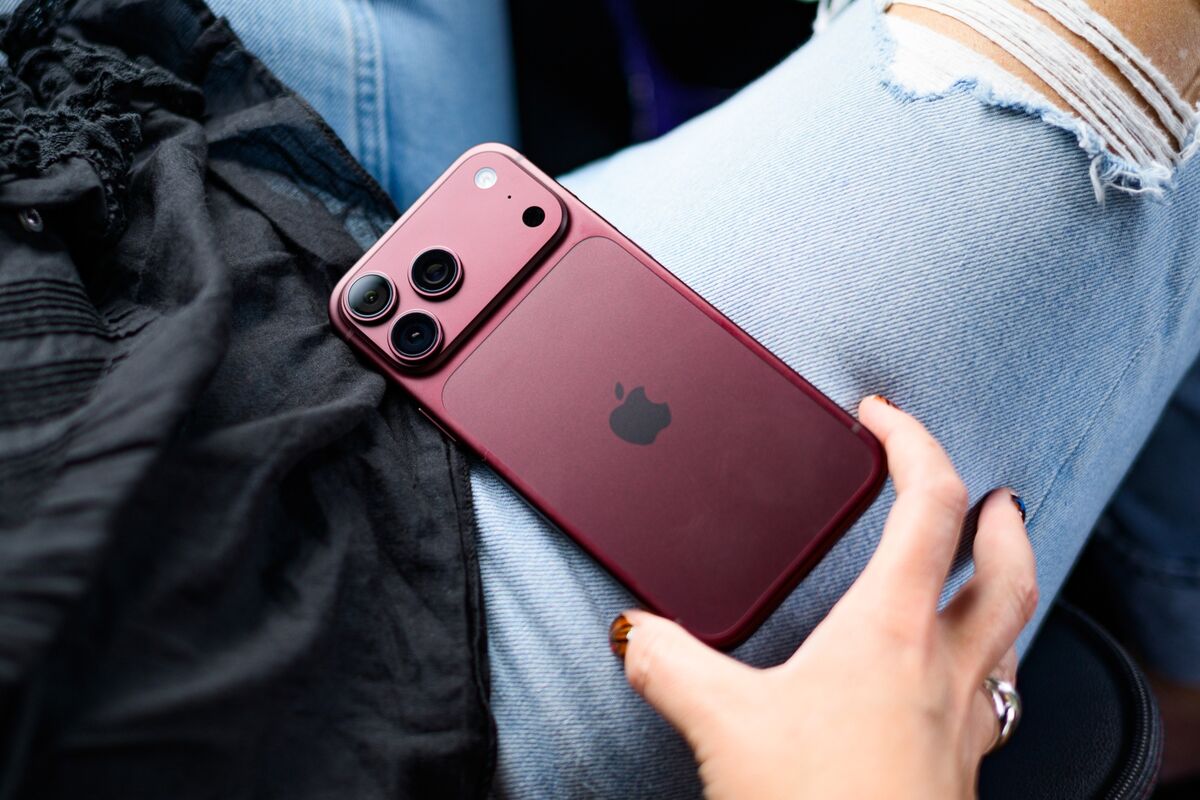
Apple introduced the iPhone 18 Pro and Pro Max alongside its first foldable, the iPhone Duo, while deferring the standard iPhone 18, 18e and iPhone Air 2 to the spring. The Pro models offer notable camera improvements and battery life for the smaller 18 Pro that is comparable with the prior-year Pro Max, strengthening their appeal to photographers and customers upgrading after two to three years. The Duo may overshadow the conventional Pro lineup, but the new models retain differentiated appeal for premium technology enthusiasts.
Analysis
Apple’s split launch calendar is more consequential than the incremental Pro feature set: it concentrates fall mix toward the highest-ASP devices while deferring the volume-oriented portfolio to spring. That can support December-quarter iPhone revenue and gross-margin mix even if unit growth is modest, but it also creates a tougher year-over-year comparison once lower-priced models arrive and potentially pull forward upgrades from the following fall cycle. The key underwriting variable is whether Duo demand is additive to the premium installed base or merely cannibalizes Pro Max buyers; early channel data on Pro Max versus Duo lead times matters more than reviews.
Near term, the product news is unlikely to change AAPL estimates without evidence of constrained Duo supply or unusually strong carrier promotions. Over the next 1-3 months, upside would come from premium-model mix, higher storage configurations, and accessory attach; downside comes from a narrow fall lineup reducing total upgrade participation and raising inventory risk before the spring launch. The 6-18 month structural issue is foldable economics: a high bill of materials could dilute hardware margin initially unless Apple sustains a material price premium and leverages the form factor to increase Services engagement.
Consensus may overstate the risk that a foldable disrupts Apple’s own Pro franchise. Apple can tolerate some Pro-to-Duo substitution if blended ASP and ecosystem retention rise, while Android foldable vendors—particularly Samsung—face a more direct competitive problem if Apple validates the category for mainstream premium buyers. Conversely, the thesis fails if Duo replacement rates prove low due to durability concerns or if Pro demand softens without Duo’s ASP offset; watch Apple’s December-quarter iPhone gross-margin commentary and management’s March-quarter inventory language.
AllMind Terminal
AI-powered research, real-time alerts, and portfolio analytics for institutional investors.
Request TrialMarket Sentiment
Overall Sentiment
mildly positive
Sentiment Score
0.32
Ticker Sentiment
Key Decisions for Investors
- Maintain AAPL as a modest tactical long through the December-quarter print only if premium-model lead times remain extended beyond 2-3 weeks; target a 5-8% catalyst-driven move from mix upside, with a stop/review trigger on evidence that Pro Max availability normalizes faster than prior launches.
- Do not add aggressively on review-driven enthusiasm. Wait for carrier preorder data, regional lead-time tracking, and first-month Duo return-rate indications; these determine whether higher ASP is incremental rather than cannibalistic.
- Monitor a relative-value alert: if Samsung Electronics foldable sell-through weakens following Apple availability, consider long AAPL versus Samsung Electronics as a 3-6 month premium-handset share trade. Avoid initiating until independent channel data confirms substitution.
- For downside protection into the first earnings call after launch, consider AAPL put spreads 1-3 months out rather than outright puts; the relevant risk is a guide/margin reset from component costs or inventory, not a binary launch failure.
More News
- Wall Street’s Nasdaq hits all-time high as AI frenzy gathers pace
- How to watch Meta unveil its new smart glasses at Connect 2026
- Meta is breaking out after introducing Muse AI agent. Where the stock is going, according to the charts
- Nvidia's Demand Is Outpacing Its 70% Growth Forecast, and That Is Just the Beginning
- Qualcomm releases Android chip built for AI as memory shortage weighs on smartphone market
- Meta’s Muse AI is exploding in popularity—and already drawing heated backlash from another tech giant