
Understood.org commits to combating misinformation about neurodivergence at Clinton Global Initiative Annual Meeting
Source: PR Newswire
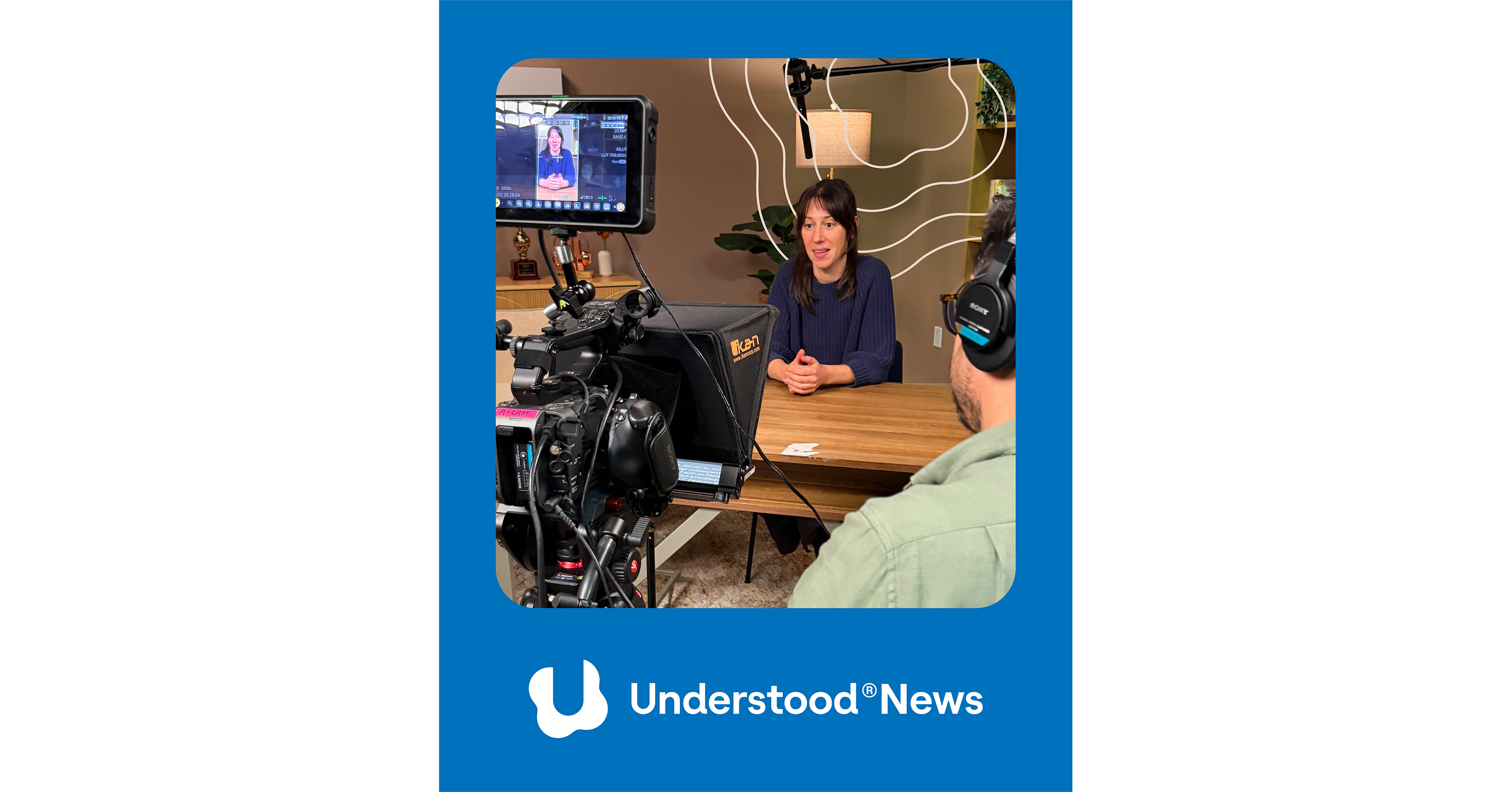
Understood.org committed at the 2026 Clinton Global Initiative meeting to expand its Understood News platform to counter misinformation about ADHD, dyslexia and other neurodivergence topics. The news studio has directed 140,000 people to expert-vetted neurodivergence information in 2026, targeting areas including diagnosis trends, medication access, vaccines and mental health. The nonprofit will partner with creators, local media, Gallup, Edelman Trust Institute, Voices for Vaccines and Eviva Partners; 52% of TikTok ADHD videos and 41% of autism videos are cited as misleading.
Analysis
This is not investable as a standalone catalyst: a nonprofit communications commitment has no disclosed budget, commercial counterparty, monetization path, or measurable demand transfer. The near-term implication is reputational rather than financial, and any read-through to healthcare, social-media, or education-equipment equities would be speculative.
The potentially relevant second-order issue is rising scrutiny of health content distributed through creator platforms. Over 6-18 months, that could incrementally increase compliance and moderation costs for META, GOOGL, and ByteDance-related private-market exposure, while favoring scaled clinical-information distributors such as WBA/CVS digital-health channels only if they can demonstrate trusted traffic conversion. The more direct commercial beneficiary would be evidence-based ADHD diagnosis and treatment providers, but the article supplies no indication that information campaigns will alter prescribing, diagnosis rates, payer coverage, or treatment adherence.
Contrarian view: markets routinely overstate the regulatory significance of NGO and conference announcements. A trade becomes relevant only if this effort is followed by platform-policy changes, FDA/FTC enforcement, state-level telehealth restrictions, or independently measured shifts in ADHD medication utilization. Until then, the announcement is best treated as a monitoring signal around the political sensitivity of neurodevelopmental-health content, not an earnings catalyst.
AllMind Terminal
AI-powered research, real-time alerts, and portfolio analytics for institutional investors.
Request TrialMarket Sentiment
Overall Sentiment
mildly positive
Sentiment Score
0.28
Key Decisions for Investors
- No new position recommended; the stated impact lacks a public-company revenue or cost transmission mechanism.
- Set a 1-3 month policy alert for FDA/FTC actions, major-platform health-content policy revisions, or state telehealth prescribing restrictions. Escalate analysis of HIMS, TDOC, CVS, and WBA only if such actions create measurable patient-acquisition or prescribing friction.
- For existing META and GOOGL positions, monitor quarterly disclosures for trust-and-safety expense, engagement effects from health-content moderation, and regulatory reserves; thesis is falsified as material only if incremental compliance costs or engagement headwinds enter guidance.
- Watch IQVIA (IQV) and ADHD-treatment prescription-data trends over the next 2-4 quarters. A sustained divergence between diagnosis growth and stimulant/non-stimulant script growth would signal that misinformation or access policy is affecting treatment conversion, creating a more actionable healthcare-services trade.
More News
- China's AI chip blitz arms Xi with a message for Trump: 'You can't choke us off'
- Meta announces new lightweight virtual reality glasses to one-up Apple’s Vision Pro
- Chinese authorities reportedly in possession of F-35 components in Hong Kong
- Meta's standoff with Amazon over Muse could be a sign of things to come
- Mark Zuckerberg debuts $1,299 Meta VR Glasses and Muse Charm pendant amid AI agent push
- Meta Debuts $349 Camera-Free Ray-Bans and Brings Muse to Glasses