
Hisense na veletrhu IFA 2026 představuje koncept Companion Living na bázi AI
Source: PR Newswire
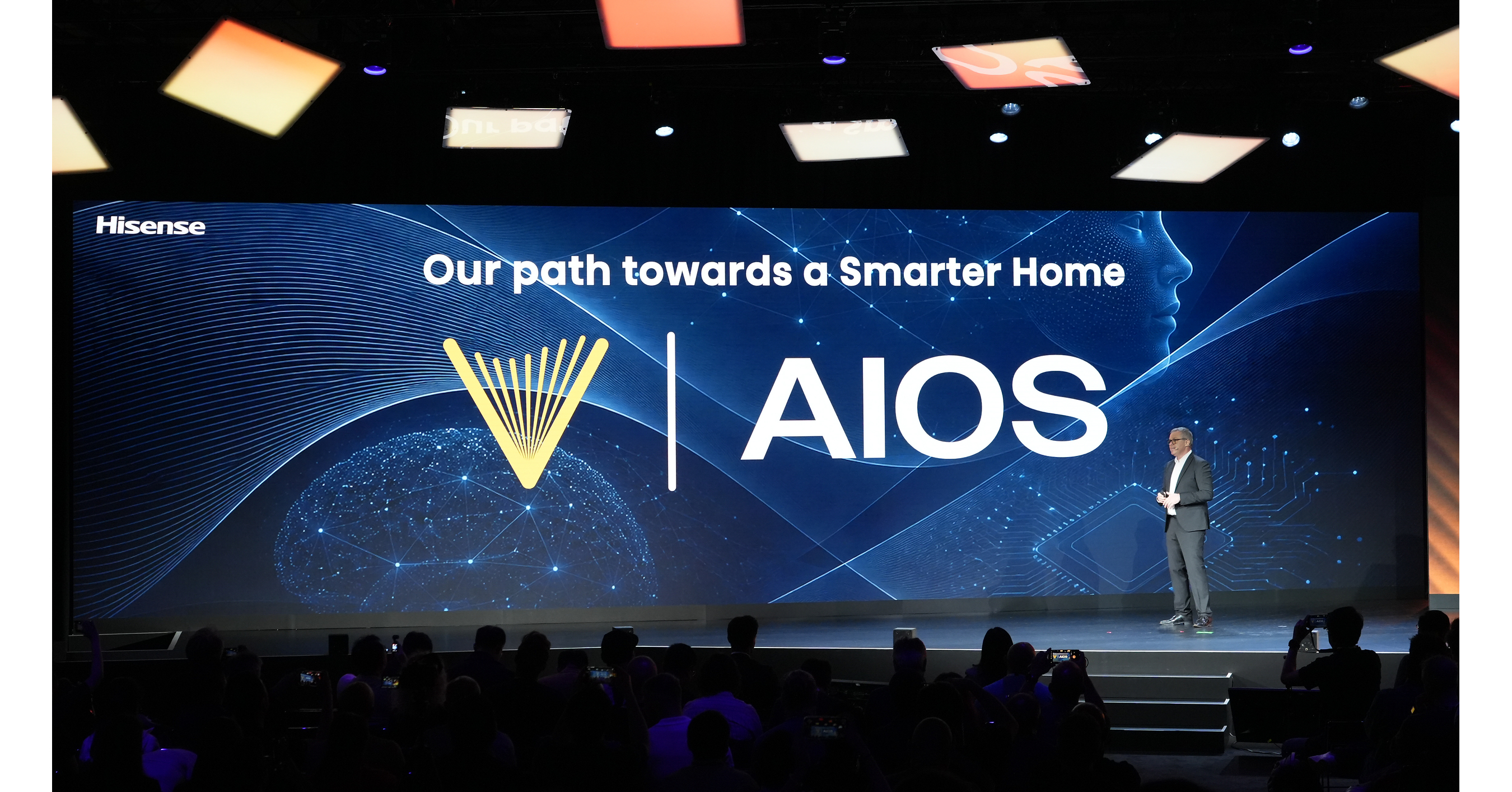
Hisense na veletrhu IFA 2026 představila koncept Companion Living založený na AI (platforma V AIOS / AI Companion Suite), který má integrovat AI do každodenních činností jako vaření, praní a řízení vzduchu a energie. Jádrem je V AIOS jako další vývoj VIDAA OS se schopnostmi „vnímat, uvažovat, komunikovat a jednat“, včetně koordinace více spotřebičů podle kontextu a preferencí. Firma současně oznámila partnerství s UEFA EURO 2028 (čtvrté v řadě). Zpravodajství je spíše produktové/strategické bez uvedení finančních čísel, proto je dopad na trh omezený.
Analysis
This reads more like a platform-marketing signal than a near-term earnings catalyst. The real strategic shift is that appliance competition is moving from standalone hardware features toward owning the orchestration layer in the home, which could eventually favor players with sticky software ecosystems and punish OEMs that compete only on SKU-level specs. That said, the monetization path is unclear: consumers typically pay for reliability, energy efficiency, and price, so AI claims alone are unlikely to justify meaningful ASP uplift in the next 1-3 quarters.
The second-order winner set is likely upstream rather than the branded appliance OEM itself: chip, connectivity, and cloud/edge software vendors that get embedded into the control stack can capture recurring value while hardware margins stay thin. The loser set is the legacy white-goods cohort if this narrative forces them to spend more on R&D, apps, and customer support just to defend shelf space, which can quietly compress operating margin even if unit volumes hold. Until there is evidence of interoperability standards or actual subscription/service revenue, this should be treated as feature inflation, not a durable profit pool.
The UEFA sponsorship is useful mainly as brand reinforcement and distribution leverage, not as a measurable financial driver. Contrarian view: the market may be overestimating consumer willingness to adopt AI in routine household tasks; historically, smart-home adoption stalls when setup complexity and failure rates exceed convenience gains. What would falsify the bearish-to-neutral view is evidence of material retailer pull-through, higher ASPs without volume elasticity, or channel checks showing the AI layer is reducing churn and increasing attach rates over the next 6-18 months.
AllMind Terminal
AI-powered research, real-time alerts, and portfolio analytics for institutional investors.
Request TrialMarket Sentiment
Overall Sentiment
mildly positive
Sentiment Score
0.15
Key Decisions for Investors
- No immediate equity trade on the PR alone; treat as a watch item until channel data or earnings show higher ASPs, better sell-through, or lower churn.
- If expressing the theme, prefer a small long basket in edge-connectivity/embedded-compute beneficiaries versus a short basket of commodity appliance OEMs; keep sizing modest because the signal is mostly promotional.
- Set a 1-3 month alert for gross margin commentary from appliance peers: if rivals start spending more on software and support without raising prices, the sector’s margin pool is likely to compress.
- Watch for evidence that smart-home standards or ecosystem partnerships are becoming interoperable; if not, fade the long-term platform thesis and avoid chasing consumer-AI appliance names.
More News
- Indonesian stocks plunge to six-year low as MSCI downgrade fears mount
- Putin reportedly suggests summit with Trump and Xi to decide fate of Ukraine
- China's CXMT sees shares drop over 6% as investors look past chipmaker's profit turnaround
- Asian stocks skid, Wall Street and bonds aided by oil slip
- Australia’s Cleanaway agrees to $6.5 bln EQT buyout bid; shares surge
- India’s Finance Minister blames easy exits and excess liquidity for equity market's underperformance