
Micron And MUU: The Structural Shift Thesis Is Strengthening
Source: seekingalpha.com
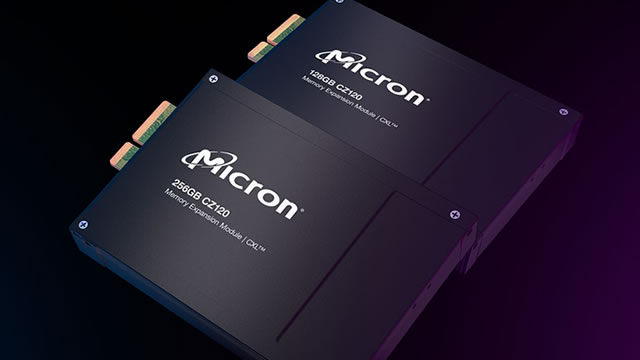
Micron Technology was upgraded to Buy after Q4 FY26 delivered robust sequential growth, driven by sharply higher DRAM and NAND pricing and margin expansion amid tight supply-demand conditions. Strategic Customer Agreements now secure more than 35% of estimated 2030 revenue, with pricing bands and meaningful customer cash deposits improving long-term revenue visibility and pricing power.
Analysis
The investable change is not merely higher spot memory pricing; it is a potential reduction in MU's historically severe earnings volatility. If customer prepayments and price bands are enforceable across down-cycles, MU deserves a higher mid-cycle multiple because working-capital risk falls, utilization is more predictable, and management can commit capital with less risk of producing into a glut. The key diligence point is whether agreements cover firm volume commitments or only preferred allocation: the latter offers limited downside protection once AI-server demand normalizes.
Near term, MU's earnings revisions should remain positive as contract pricing catches up with tight DRAM/HBM supply, while commodity-exposed NAND remains the more cyclical component. SK Hynix and Samsung Electronics are the clearest read-through beneficiaries, but MU may capture disproportionate multiple expansion if it is uniquely converting hyperscaler demand into deposits and multi-year commitments. Second-order pressure falls on memory buyers with limited pass-through ability—PC OEMs HPQ/DELL and handset vendors—although the magnitude depends on whether memory content gains offset bill-of-material inflation.
Consensus may be underestimating the structural value of contracted HBM capacity but overestimating the durability of broad NAND pricing. The important 1-3 month catalyst is verification in the next guide that contracted volumes translate into higher FY27 revenue visibility and lower customer-concentration risk; the 6-18 month risk is capacity response from Samsung and Chinese supply in legacy DRAM/NAND. The thesis is falsified by sequential deterioration in gross-margin guidance, rising inventory/days sales outstanding, or evidence that deposits are refundable and agreements lack take-or-pay economics.
AllMind Terminal
AI-powered research, real-time alerts, and portfolio analytics for institutional investors.
Request TrialMarket Sentiment
Overall Sentiment
moderately positive
Sentiment Score
0.68
Ticker Sentiment
Key Decisions for Investors
- Initiate or add to a 3-6 month long MU position only after confirming next-quarter guidance embeds continued DRAM/HBM pricing strength; target a rerating toward a premium to its historical mid-cycle earnings multiple, with risk controlled by a 10-15% stop or exit on gross-margin guide-down.
- Express the structural thesis as long MU / short SOXX in equal beta over 3-6 months: MU's potential contract-driven earnings de-risking is more differentiated than broad semiconductor exposure, while the short leg reduces AI multiple and macro-beta risk.
- For a defined-risk event trade, buy MU 6-month call spreads rather than outright calls; this captures upside from contract-detail disclosure and estimate revisions while limiting loss if a supply-response narrative compresses memory multiples.
- Monitor SK Hynix and Samsung memory-capex commentary, plus MU inventory and customer-deposit disclosures. A material capex acceleration or a sequential decline in deposits should trigger reduction of the long before pricing weakness appears in reported results.
More News
- Stocks remain under the thrall of higher yields and higher oil. Here's what's ahead
- Nvidia is a 'best in breed' stock on sale. Here's why I'm buying
- Micron sees the memory shortage tightening into 2028 after a record quarter
- CLSA raises Micron stock price target on strong memory pricing outlook
- Wall Street sets Micron (MU) stock price for 12 months
- Why is Infineon Technologies stock surging 6% today?