
Sinopec Releases Its First Global Biodiversity Conservation Report at COP17 in Armenia
Source: PR Newswire
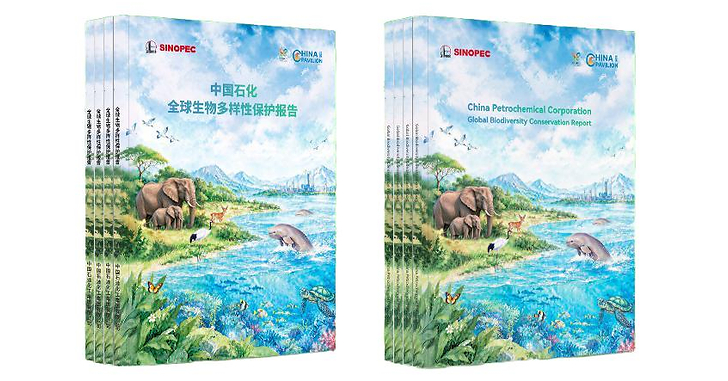
Sinopec released its first Global Biodiversity Conservation Report at COP17, detailing biodiversity measures across its operations and international projects. By the end of 2025, the company had withdrawn 992 oil wells, 112 gas wells and 181 water wells from operation; featured initiatives include restoring 2.4 million square meters of rainforest in Ecuador and planting more than 7,000 mangroves in Angola. The report also highlights a million-tonne-scale CCUS demonstration project and a 60,000-metric-ton-per-year biodegradable PBST facility.
Analysis
The near-term equity read-through is likely limited: this is a corporate report, not evidence of a material change in earnings, capex, or regulatory obligations. The more relevant mechanism is a potential reduction in project-delay and operating-disruption risk where biodiversity safeguards are credible—particularly for international developments near sensitive habitats. That benefit is conditional, and the report itself does not independently verify compliance or quantify avoided costs.
There is also a countervailing exposure: publicizing conservation claims raises the bar for future scrutiny. Any mismatch between disclosed practices and on-the-ground outcomes could increase permitting friction, reputational costs, or pressure from regulators and project partners. The reported well and facility retirements may entail restoration obligations or relinquished output, but the article provides no consolidated financial or production impact; do not infer a meaningful earnings drag from those counts.
Over 1–3 months, watch for independent verification, changes in project approvals, and whether biodiversity requirements appear in operating or capital plans. Over 6–18 months, the investable question is whether CCUS and biodegradable-material initiatives achieve commercially relevant utilization and returns; demonstration scale and capacity figures alone do not establish economics. The contrarian point is that the report is neither a near-term catalyst nor proof of a durable ESG premium: its value is mainly as a signal of exposure management, with downside if claims invite greater scrutiny.
AllMind Terminal
AI-powered research, real-time alerts, and portfolio analytics for institutional investors.
Request TrialMarket Sentiment
Overall Sentiment
mildly positive
Sentiment Score
0.20
Key Decisions for Investors
- No standalone directional trade: the release does not establish a material earnings, cash-flow, or valuation change.
- Treat Sinopec’s biodiversity disclosure as a watch item for project-risk management, not as verified evidence of reduced environmental liability. Seek independent assurance and project-level permitting or incident data.
- For a 1–3 month catalyst check, monitor regulatory decisions, operating disruptions, and any quantified changes to capital spending or restoration provisions; a material adverse revision would falsify the risk-reduction thesis.
- For a 6–18 month assessment, require utilization, unit economics, and funding details for CCUS and biodegradable materials before assigning value to these initiatives. Capacity or demonstration scale without commercial returns is not a trade signal.
More News
- Explosions hit Iran’s Qeshm Island as US media report US strikes in Hormuz
- Marvell to buy Lumentum in $115 billion deal in AI data-center bet
- Oil price falls amid hope of a breakthrough to end Iran war
- Marvell, Lumentum tout historic $115B deal to create ‘category leader' in AI connectivity
- Palantir reports booming U.S. commercial revenue growth, topping government for first time
- Anthropic releases amended IPO prospectus with third-quarter financials