
US-based Opus Group brings its technological strength to one of the world's largest vehicle inspection transformations, TURKA Vehicle Inspection
Source: PR Newswire
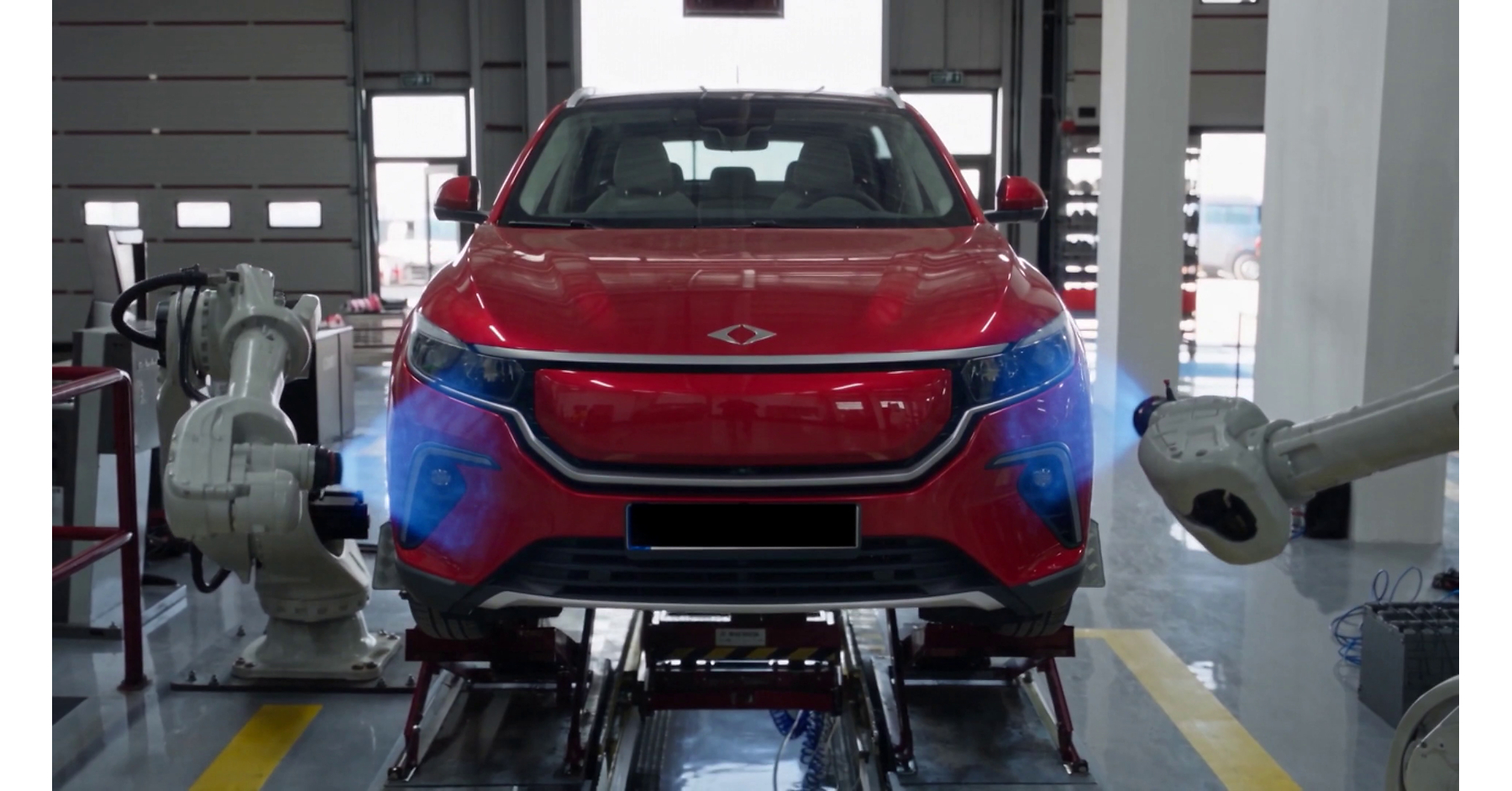
Opus Group has started deploying AI- and contactless-measurement-based vehicle inspection technology at Türkiye’s Istanbul Vehicle Inspection Pilot Center, supporting a next-generation rollout starting in Aug 2027. The program is backed by an investment of roughly $3B and will expand across 352 centers (~900 inspection lines), with Opus contributing its ~30M global inspections/year expertise to adapt processes for Türkiye’s ~16M annual inspections. This is a large modernization capex effort, but with no direct financial results disclosed, implying limited immediate market impact.
Analysis
This is better understood as a long-dated regulated cash-flow reset than as an AI story. The economic value sits in workflow control, data ownership and enforcement intensity; the technology layer matters only if it lowers staffing and re-test costs per lane. For public markets, the cleanest read-through is to machine-vision / sensing suppliers and, secondarily, aftermarket maintenance names if stricter inspections force more pre-certification repair spend.
The real near-term catalyst is not deployment, but contract structure: FX indexation, pass-through of inflation, minimum revenue guarantees and who owns the data stream. If those economics are local-currency heavy, the dollar IRR can be badly diluted by lira depreciation even if volumes hit plan. Over 1-3 months, any disclosure of pricing mechanics or pilot KPIs matters more than promotional language; absent that, the market should treat the project as optionality, not earnings.
Contrarian view: consensus may be overpricing the AI label and underpricing execution risk across a 352-site rollout. The bigger second-order winner could be local repair chains and parts distributors if pass/fail standards tighten, while the concession operator itself may face mediocre margin conversion if compliance costs, politics or inflation outrun indexation. Falsifier: evidence that the pilot materially cuts operating cost per inspection and that fees are hard-indexed to FX/inflation; without that, the upside is mostly narrative.
AllMind Terminal
AI-powered research, real-time alerts, and portfolio analytics for institutional investors.
Request TrialMarket Sentiment
Overall Sentiment
mildly positive
Sentiment Score
0.12
Key Decisions for Investors
- Stay flat IUSDF / LILIF / WWRL for now; this is not yet a tradable earnings event. Reassess only if filings or disclosure show FX-indexed recurring revenue, backlog conversion, or capex recovery terms that protect dollar returns.
- Watch / accumulate CGNX and TRMB on pullbacks over the next 1-3 months if procurement orders emerge. Risk/reward is attractive because the hardware layer can monetize the rollout with less sovereign and currency risk than the concession itself.
- Use ORLY or AZO as a 6-18 month secondary beneficiary only if Turkey’s inspection regime proves strict in practice. Best case is higher maintenance ticket growth and better parts mix; thesis breaks if pass/fail standards are softened or enforcement is delayed.
- Set an alert for any disclosure that fees are not fully indexed to inflation / FX. If that happens, avoid long exposure to the concession story and prefer the enabling-tech names instead.
More News
- Iran-backed Houthis strike Yemen’s Aden: What that means
- Christine Lagarde: IMFC Statement
- Why did CoreWeave stock get crushed this week? Look to this corner of the debt market for clues
- Solar power booms in Philippines as war on Iran spikes energy costs
- Palantir patient data tech rejected by many NHS trusts in England
- Diageo's Toxic Spill Hits Pristine River in Scottish Whisky Country
From AllMind Research
- Anthropic IPO Preview: Valuation, Timing, and What to Watch
- Shein After the IPO: Venue, Valuation, and What Must Be Proved
- What AI Research Tools Should a Small Hedge Fund Buy First?
- AllMind Fixed Income Compass for October 2025: Navigating Policy Divergence and Political Risk
- AI Equity Research Tools for RIAs and Wealth Managers