
Sceye a SoftBank Corp. dokončujú demonštráciu stratosférickej konektivity v Japonsku - pokrok smerom ku komercializácii HAPS
Source: PR Newswire
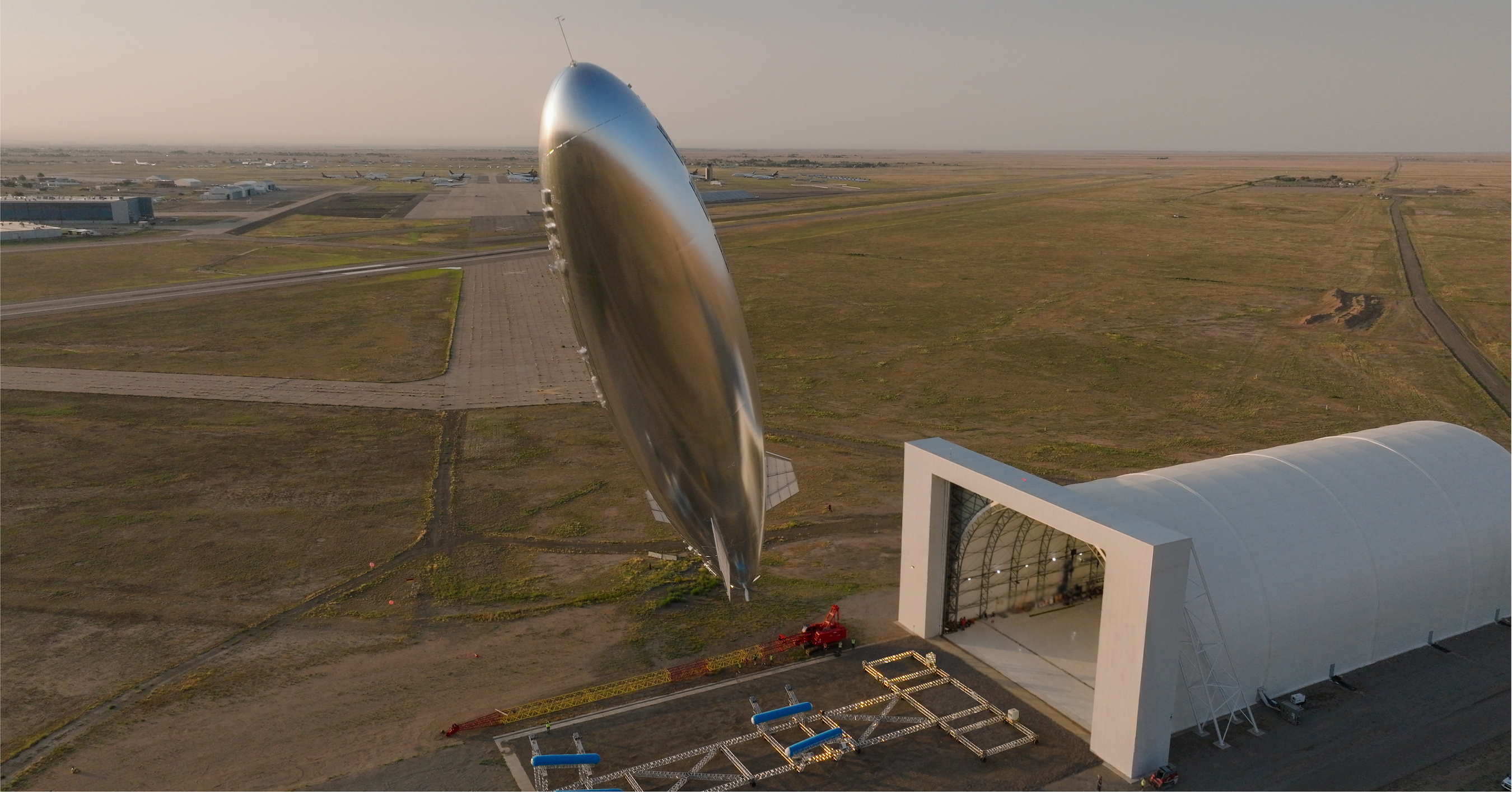
Sceye successfully completed Service Test 1 (ST1), flying 13 days through the stratosphere covering 15,000+ km from New Mexico to Japan and demonstrating mobile broadband to unmodified devices via SoftBank’s network. The test validated HAPS-based edge computing on-board, cutting latency by 40%+ to an average 68 ms round-trip processing time, and included emergency communications and drone connectivity. The milestone is positioned as a step toward commercial HAPS deployment as part of SoftBank’s next-gen connectivity strategy.
Analysis
This is more important as a strategic proof point than as an immediate earnings driver for SOBKY. The value is not in consumer connectivity today; it is in gaining negotiating leverage with government, enterprise, and disaster-response customers where coverage gaps justify premium pricing and where a non-terrestrial layer can displace some incremental tower spend. The first-order beneficiaries are SoftBank’s platform optionality and any Japanese public-sector budgets tied to resilient communications; the first-order losers are marginal rural-capex economics for incumbent terrestrial operators and, longer term, some low-end satellite connectivity use cases.
The market may still be overweighting the demo as if it were commercialization. The real bottlenecks are regulatory airspace permissions, spectrum coordination, maintenance cadence, and proof that unit economics beat a mix of tower densification plus LEO coverage. If those hurdles clear, the 6-18 month upside is a higher strategic multiple, not near-term revenue; if they do not, this remains a press-release asset with limited P&L translation.
Contrarian view: the most valuable use case may be narrow and high-margin rather than mass-market. If HAPS becomes a disaster-recovery and temporary-capacity layer, it could earn attractive returns on a small installed base while preserving optionality for 6G/edge computing. That makes the thesis less about TAM and more about whether SoftBank can lock in recurring contracts before competitors like NTT, KDDI, and LEO providers force the economics back toward commodity pricing.
AllMind Terminal
AI-powered research, real-time alerts, and portfolio analytics for institutional investors.
Request TrialMarket Sentiment
Overall Sentiment
mildly positive
Sentiment Score
0.25
Ticker Sentiment
Key Decisions for Investors
- Do not chase SOBKY on the first headline reaction; wait 2-4 weeks for either a pullback or evidence of a signed commercial pilot. This is option value, not a revenue inflection.
- If management follows with government or enterprise procurement, buy SOBKY on dips for a 6-12 month hold; target a rerating on strategic optionality, but exit if no backlog emerges by the next earnings cycle.
- Pair trade: long SOBKY / short NTT or KDDI into any regulatory milestone. Thesis: incumbent terrestrial operators face marginal capex substitution, while SoftBank captures the platform narrative; cut the pair if HAPS remains trial-only.
- For defined risk, use a 9-12 month SOBKY call spread instead of outright stock. Upside comes from a multi-quarter rerating; downside is capped if licensing or endurance economics stall.
- Set a watch item on any Japanese aviation/telecom approvals and follow-on commercial disclosures. If the stock cannot hold the post-announcement gain into the next update, treat this as a sell-the-news event.
More News
- US, China Kick Off Trade Talks Ahead of Trump-Xi Summit
- Bessent meets China Vice Premier He Lifeng ahead of Trump-Xi summit
- U.S. economy hits pivotal milestone: Spending on data centers and other information-processing hardware now exceeds housing investment
- The economy has undergone a structural transformation that ended the low-cost era. ‘The regime change in inflation and interest rates is the outcome’
- Why have US prosecutors labelled China’s Huawei a criminal enterprise?
- Nvidia CEO Jensen Huang emerges as Trump's top ally in AI safety debate