
In HelloNation, Retirement Planning Expert Janie Kelly Explains How Much Monthly Retirement Income You Really Need
Source: PR Newswire
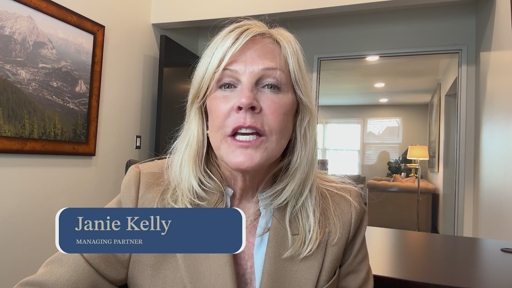
The article is a retirement-planning explainer, arguing there is no single “monthly income” number and emphasizing that retirees should budget expected expenses, ongoing housing costs (property taxes, insurance, maintenance, utilities), and healthcare out-of-pocket costs despite Medicare. It highlights the role of taxes, multiple income streams (Social Security plus pensions/investments/personal savings), and inflation in maintaining purchasing power over a retirement that may last decades. Overall, it provides guidance rather than any market-moving financial data or policy change.
Analysis
This is not a catalyst-rich item for CRMT; it is a reminder that the consumer is still thinking in terms of inflation-adjusted cash flow, not nominal income growth. For a subprime used-car lender/dealer, that matters only if it shows up in payment capacity, delinquency, and repo trends; headline budgeting advice does not change units or margins on its own.
The real second-order effect is that persistent pressure from food, insurance, utilities, and healthcare tends to crowd out auto payments before it boosts used-car demand. In the near term, that can support traffic from budget-constrained buyers, but it usually shows up as weaker credit quality and higher servicing costs 1-3 months later, which matters more to earnings power than top-line volume.
Consensus may be too quick to frame inflation as mechanically good for value/used-car retailers. The contrarian view is that inflation is only supportive until it starts forcing trade-down behavior; after that, lenders own the downside through charge-offs and tighter underwriting, while dealers face lower conversion and more volatile gross margins. For CRMT, the key falsifiers are improving delinquency trends, lower funding costs, or a sustained rebound in used-vehicle affordability; absent those, the stock should remain a credit-metric story, not a narrative trade.
AllMind Terminal
AI-powered research, real-time alerts, and portfolio analytics for institutional investors.
Request TrialMarket Sentiment
Overall Sentiment
neutral
Sentiment Score
0.00
Key Decisions for Investors
- No immediate directional trade in CRMT from this article; treat it as non-event information and wait for the next earnings update on delinquencies, repossessions, and net charge-offs.
- Set a watchlist trigger on CRMT if 30+ day delinquencies or charge-offs deteriorate sequentially next quarter; that would be the first meaningful confirmation of consumer-stress transmission.
- If looking for an expression on inflation-driven consumer strain, prefer a relative short CRMT vs. a less credit-sensitive auto exposure only after funding-cost data and credit trends confirm the setup over the next 1-3 months.
- Avoid buying the stock on the assumption that inflation helps used-car demand; require evidence that payment capacity is improving, otherwise the upside is likely offset by underwriting and servicing drag.
More News
- Trump announces Russian diesel deal amid soaring US fuel prices
- Global PC shipments crater 20% as rising prices hammer demand
- Rising fuel costs slashed Delta’s profit outlook despite strong demand
- AI agents like Muse can shop for you. Here's what that means for retail stocks
- Israel’s economy prospers despite years of war, but prices worry voters
- Earnings season kicks into high gear as big banks report next week. Here's what's ahead
From AllMind Research
- Anthropic IPO Preview: Valuation, Timing, and What to Watch
- Shein After the IPO: Venue, Valuation, and What Must Be Proved
- What AI Research Tools Should a Small Hedge Fund Buy First?
- Weekly Update: Adding Live MBO Level 3 Data - Liquidity Heatmap, OFI Charts, and More
- AI Software for Buy-Side Teams: Build the Research Stack