
Autoliv Advances Vehicle Safety Through Virtual Testing
Source: PR Newswire
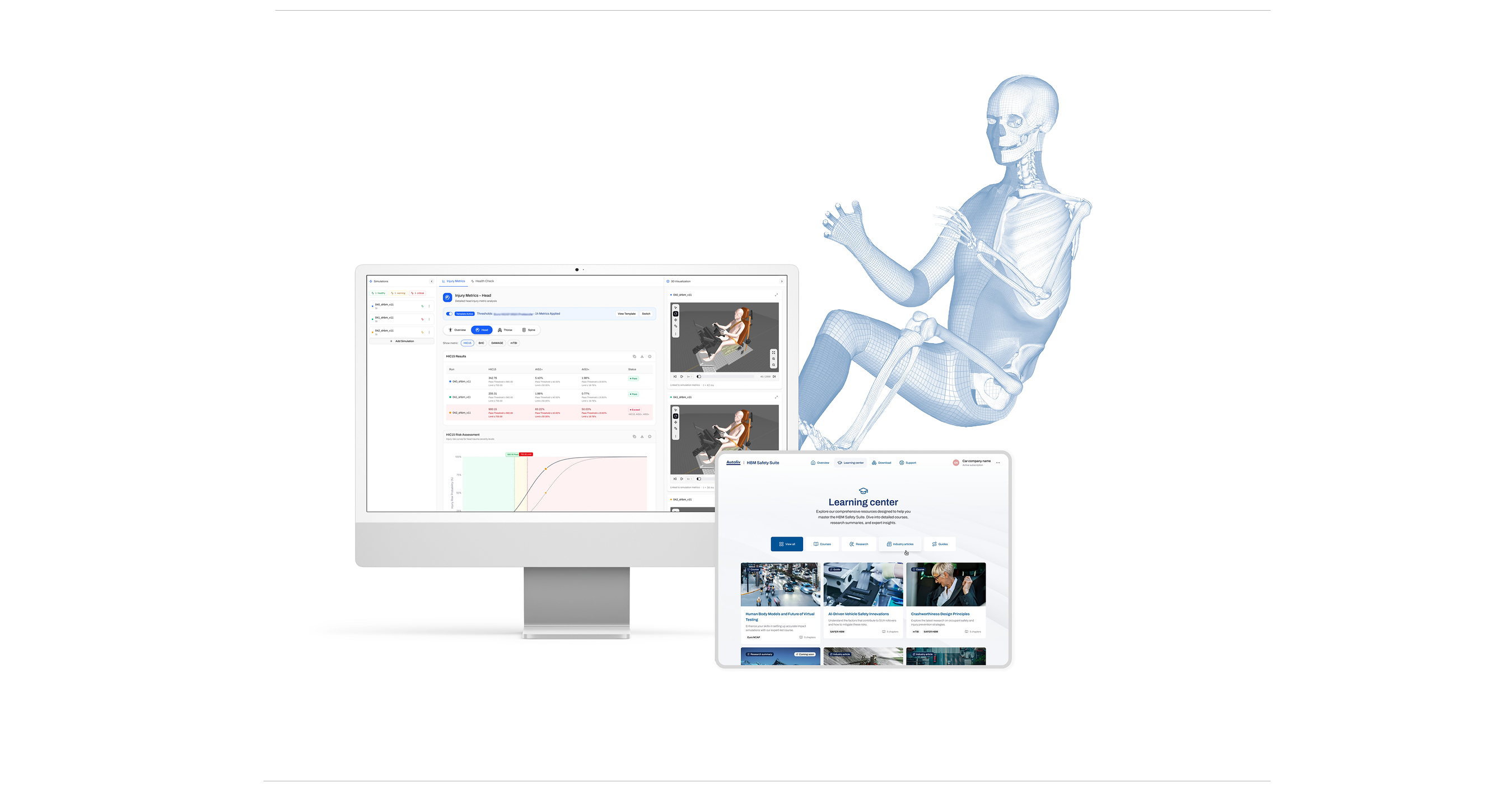
Autoliv launched its Human Body Model Safety Suite virtual crash-testing platform, with Toyota as the first customer to evaluate its capabilities. The software combines digital human-body crash simulations with analysis and visualization tools, aiming to shorten vehicle-development lead times, improve cost efficiency and enhance occupant-safety design. Autoliv plans a broader industry rollout in 2026 as automakers and safety regulations increasingly incorporate virtual testing.
Analysis
This is strategically more relevant to ALV's content-per-vehicle moat than to near-term revenue. If virtual validation becomes embedded earlier in OEM design cycles, ALV can influence restraint-system architecture before sourcing decisions are fixed, raising switching costs and potentially protecting pricing in a supplier category otherwise exposed to annual OEM cost-down demands. The monetization question is unresolved: a software/tooling subscription could add recurring, higher-margin revenue, but a free or low-priced engineering service used to win hardware awards would have limited standalone valuation impact.
Toyota's evaluation is a credible reference customer but not evidence of procurement, volume, or incremental earnings. Over the next 1-3 months, the relevant catalyst is disclosure of commercial terms, additional OEM users, or evidence that the suite shortens program timing enough to pull forward airbag/seatbelt design wins; absent those, the announcement should not alter FY estimates. A 6-18 month upside case requires regulatory and NCAP protocols to accept simulation evidence materially enough that OEM engineering budgets migrate from physical testing toward digital workflows.
The second-order risk is that improved virtual testing lowers barriers for lower-cost restraint competitors to optimize designs, limiting ALV's relative differentiation unless its human-body model proves proprietary and validated across regulatory regimes. Conversely, broader adoption could pressure independent crash-test infrastructure and engineering-service vendors more than OEMs; TM's benefit is primarily development-cycle efficiency, too diffuse to move earnings. Consensus may over-credit the AI/software narrative: automotive validation markets are long-cycle, conservative, and liability-sensitive, so conversion from evaluation to recurring revenue is likely measured in model-year cycles rather than quarters.
AllMind Terminal
AI-powered research, real-time alerts, and portfolio analytics for institutional investors.
Request TrialMarket Sentiment
Overall Sentiment
mildly positive
Sentiment Score
0.35
Ticker Sentiment
Key Decisions for Investors
- No immediate directional trade in ALV on this release; treat as a commercial-validation watch item. Upgrade only if ALV identifies paid licensing economics, at least two additional OEM deployments, or ties the platform to awarded restraint content by the next 2-3 earnings cycles.
- Maintain ALV as a quality auto-supplier relative long only against a cyclical supplier basket if core margin guidance remains intact; the platform is a potential multiple-supporting moat, not a near-term EPS driver. Falsify on evidence that software is bundled without pricing or that OEM adoption remains limited to trials through 2027.
- Do not buy TM for this catalyst. Any engineering-cost benefit will be immaterial versus Toyota's scale and unlikely to be recognized before future vehicle-program launches; reassess only if Toyota quantifies development-time or testing-cost reductions.
- Monitor regulatory/NCAP acceptance milestones and competitor responses from ZF, Aptiv (APTV), Magna (MGA), and Japanese restraint suppliers. Formal virtual-test acceptance would shift the thesis from optionality to a sector-wide engineering-cost and supplier-selection change over 6-18 months.
More News
- Stock Movers: Hasbro, Meta, GM (Podcast)
- What Autoliv (ALV) Said on Its Q3 Earnings Call
- Kinder Morgan, Energy Transfer and Williams could benefit from cheap natural gas
- Vertex reports positive IgAN trial data, FDA decision due Nov. 30
- The real test for Moderna’s cancer vaccine isn’t about beating Keytruda. It’s keeping cancer from coming back in the long term.
- Elon Musk’s dangerous grip on outer space