
Dr. Hanan H. Balkhy gibt ihre Kandidatur für das Amt der WHO-Generaldirektorin bekannt und verspricht „eine WHO, auf die sich die Welt verlassen kann"
Source: PR Newswire
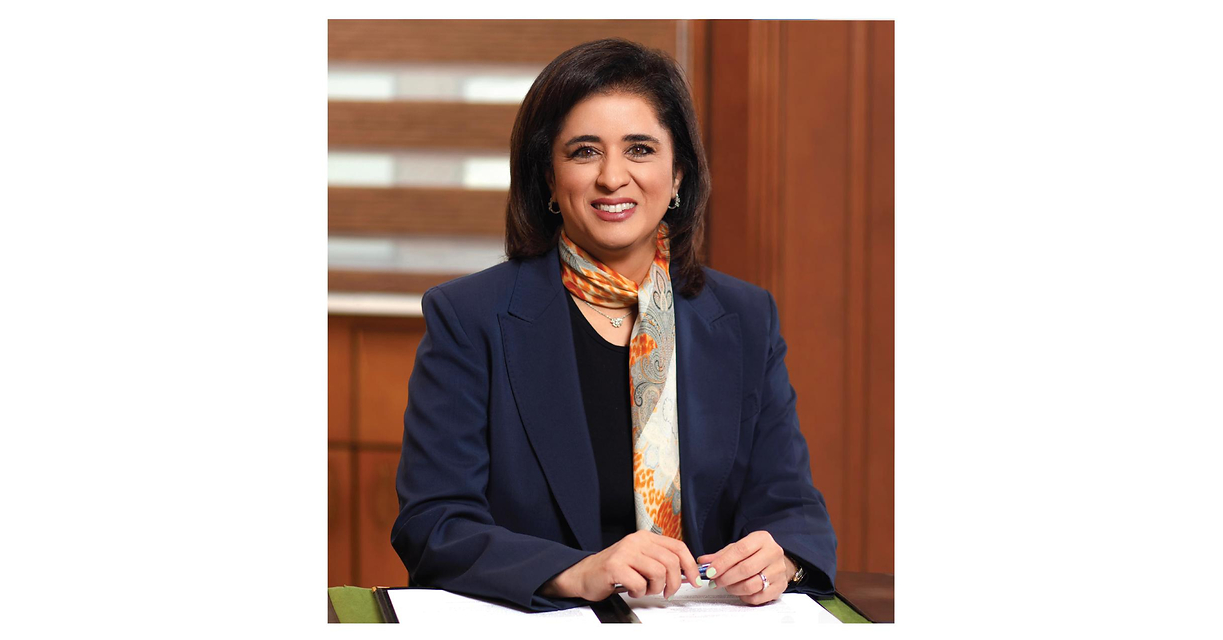
WHO Eastern Mediterranean Regional Director Dr. Hanan H. Balkhy announced her Saudi Arabia-nominated candidacy for WHO director-general, presenting a plan centered on institutional trust, emergency preparedness and measurable health outcomes. Balkhy oversees WHO operations across 22 member states representing more than 750 million people and cites a record of mobilizing more than $1.6 billion in additional program funding for polio eradication and emergency response. The candidacy comes as WHO advances pandemic-agreement implementation, seeks a stronger funding base and faces member-state demands for greater country ownership.
Analysis
This is not presently an investable catalyst: leadership campaigns rarely alter WHO procurement, country funding, or regulatory standards before an election outcome and subsequent budget cycle. The relevant market mechanism is instead whether a future administration can translate a preparedness-and-accountability mandate into larger, more predictable multilateral spending; that would favor vaccine-scale manufacturing, diagnostics, cold-chain logistics, and antimicrobial-resistance surveillance rather than broad biotech beta.
The second-order issue is governance credibility. A stronger emphasis on measurable outcomes could shift donor dollars away from fragmented research grants toward deployable platforms and country-level implementation, creating relative upside for established public-health suppliers over early-stage therapeutics. Conversely, member-state pressure for national control could reduce centralized purchasing and fragment tender volumes, limiting the earnings visibility that investors typically assign to global-health exposed companies.
Over the next 1-3 months, the election field, major-donor commitments, and concrete pandemic-agreement implementation language matter more than campaign positioning. Over 6-18 months, a verified increase in WHO-assessed contributions or emergency-preparedness procurement would be the actionable catalyst; absent that, any health-security narrative premium in diagnostics or vaccine names is likely speculative. The thesis is falsified if donor budgets remain flat, pandemic-agreement implementation stalls, or procurement authority is retained primarily at national rather than WHO level.
AllMind Terminal
AI-powered research, real-time alerts, and portfolio analytics for institutional investors.
Request TrialMarket Sentiment
Overall Sentiment
mildly positive
Sentiment Score
0.20
Key Decisions for Investors
- No immediate directional trade: treat this as a policy watch item rather than a biotech catalyst, given the lack of a defined budget, procurement commitment, or listed-company revenue linkage.
- Monitor WHO budget approvals and pandemic-preparedness implementation over the next 1-3 months; only screen for long exposure to public-health diagnostics, vaccine manufacturers, and medical-supply vendors after disclosed tender volumes or multi-year funding commitments emerge.
- Avoid adding broad IBB/XBI exposure on this development alone. Broad biotech returns will remain driven by rates, clinical readouts, and M&A; a WHO-led demand channel would be too narrow and too delayed to support sector-level multiple expansion.
- Set an alert for independently verified increases in multilateral preparedness funding or centralized procurement frameworks over the next 6-18 months. Those developments, rather than leadership rhetoric, would justify reassessing suppliers with material low-income-country revenue exposure.
More News
- Biotech stocks are surging. How investors can play the new drug innovation boom
- IMDELLTRA® IN COMBINATION WITH IMFINZI® REDUCED RISK OF DEATH BY AN UNPRECEDENTED 58% IN FIRST-LINE EXTENSIVE STAGE SMALL CELL LUNG CANCER
- Thousands of Israelis rally against Netanyahu gov’t days before election
- ‘There’s nothing temporary about a temporary store’: How Spirit Halloween’s CEO took it from 130 stores to 1,550—and swallowed your mall’s Hot Topic
- J&J prostate cancer drug shows promising tumor responses in early trial
- Pfizer reports phase 2 data for 25-valent pneumococcal vaccine