
VIABOT™ ANNOUNCES $24M SERIES A TO SCALE PRECISION OUTDOOR COMMERCIAL PROPERTY CARE
Source: PR Newswire
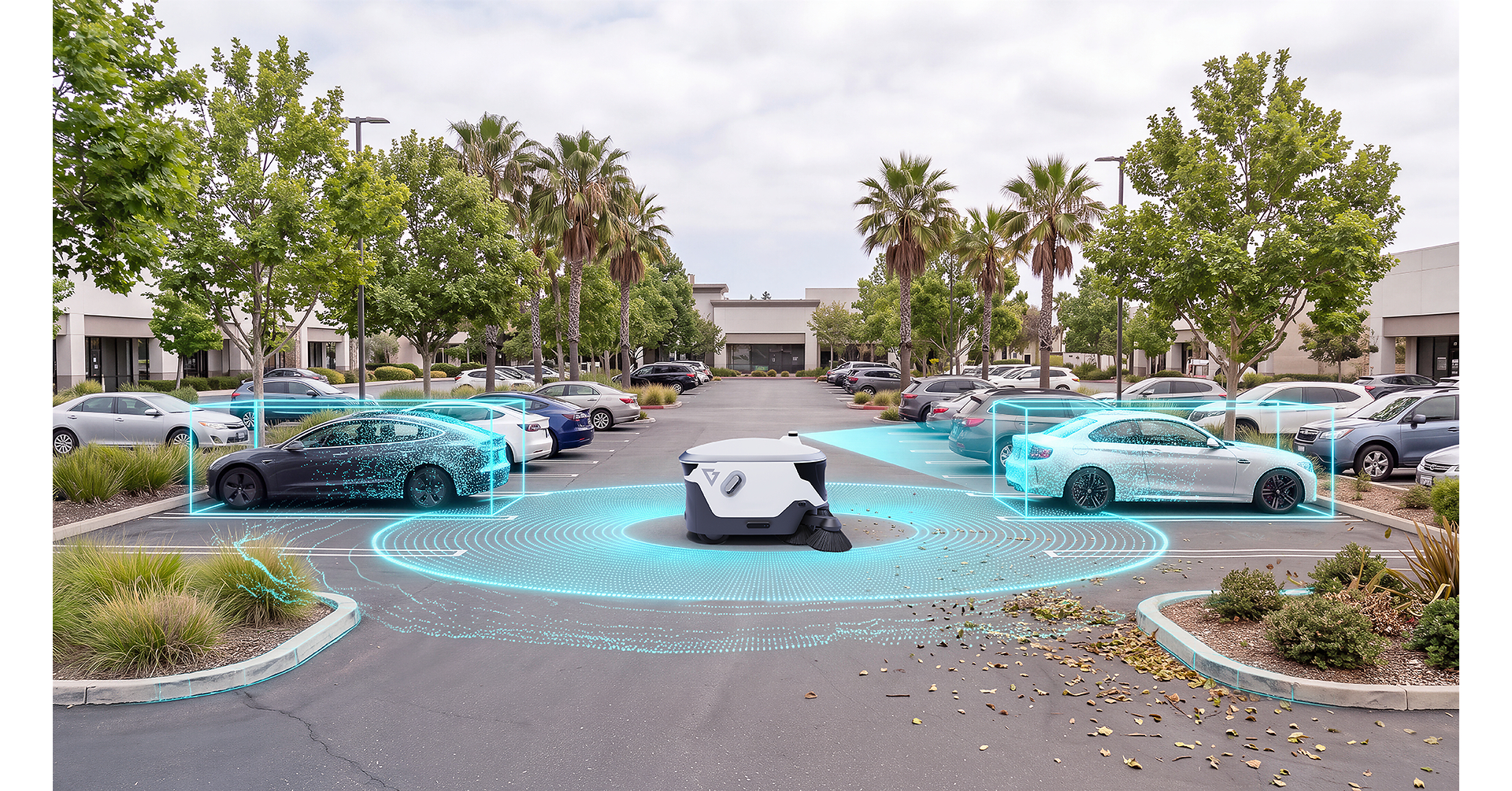
Viabot raised a $24 million Series A led by Walden International, bringing total funding to $43 million to expand sales, engineering and development of its autonomous property-care robotics platform. Its Viabot One platform is deployed across 25 million square feet of commercial property and uses robotics-as-a-service to provide debris removal and soft-security monitoring. The company cited unit-economic profitability, contract renewals and expansion into eight U.S. states, positioning the financing to support broader enterprise adoption.
Analysis
This is not directly actionable in public equities, but it modestly validates a labor-substitution spend cycle in exterior facilities management. The economic prize is concentrated with vendors that can convert irregular, labor-intensive site work into recurring service revenue; however, a private funding round does not establish either customer acquisition economics or fleet-level gross margins. The relevant public read-through is incremental competitive pressure on outsourced janitorial and facilities labor rather than a near-term revenue catalyst for diversified automation incumbents.
Over the next 1-3 months, monitor commentary from ABM Industries (ABM), Aramark (ARMK), and Cushman & Wakefield (CWK) on wage inflation, contract pricing, and technology-enabled labor productivity. A scalable autonomous option could cap pricing power in large-format retail, campuses, logistics sites, and office parks, particularly where labor availability—not demand—is the binding constraint. Conversely, facilities providers that deploy automation as an operating lever can protect margins: the likely outcome is vendor partnership and fleet-management integration, not wholesale displacement of full-service contractors.
The 6-18 month implication is more meaningful for commercial real-estate operators and retailers if autonomous equipment lowers visible-property-maintenance costs while improving compliance and security data capture. Yet outdoor autonomy remains exposed to low utilization, weather, vandalism, insurance liability, and field-service costs; unit profitability claimed by a private issuer should be treated as unverified until customer-level retention, payback periods, and service gross margin are independently disclosed. The contrarian view is that fragmented property portfolios and site-specific operational exceptions make this category more services-heavy than software-like, limiting valuation upside despite recurring-revenue branding.
AllMind Terminal
AI-powered research, real-time alerts, and portfolio analytics for institutional investors.
Request TrialMarket Sentiment
Overall Sentiment
moderately positive
Sentiment Score
0.62
Key Decisions for Investors
- No standalone trade on this financing; maintain a 1-3 month diligence watch on ABM, ARMK, and CWK earnings for disclosed automation capex, labor-hours saved, and margin impact rather than extrapolating from private-company claims.
- If ABM reports flat-to-improving operating margin despite elevated wage pressure and identifies automation-driven labor productivity, consider a 6-12 month long ABM versus short ARMK pair; thesis is superior pass-through and technology adoption, invalidated by ABM contract attrition or margin compression.
- For a public robotics exposure, use only a basket/watchlist approach through ROBO or BOTZ rather than treating this as a catalyst for individual holdings; require evidence of enterprise deployment conversion and recurring-service economics before adding risk.
- Watch large retail and logistics operators with extensive exterior footprints—WMT, TGT, COST, AMZN—for facilities-cost commentary over the next two quarters. A measurable reduction in outsourced maintenance expense would be a second-order margin tailwind, but absent disclosed savings it is not investable.
More News
- Australia’s central bank chief warns inflation risks materialising
- This AI-picked stock jumps 18% on Amazon’s $8 billion power deal
- Asian stocks rise as oil retreat eases inflation fears, BOJ in focus
- US to Sell F-35s to Saudi Arabia in $24.3 Billion Deal
- California AG Bonta on Paramount-Warner Bros., Meta and AI
- A breakout in the 10-year Treasury yield could hold back stocks if it reaches this level
From AllMind Research
- Anthropic IPO Preview: Valuation, Timing, and What to Watch
- Shein After the IPO: Venue, Valuation, and What Must Be Proved
- What AI Research Tools Should a Small Hedge Fund Buy First?
- How to Evaluate Consensus Estimates Platforms With AI
- Weekly Update: Adding Live MBO Level 3 Data - Liquidity Heatmap, OFI Charts, and More