
Waterloo Healthcare Introduces LockEVO, a Controlled Substance Security and Inventory Management Platform for Ambulatory Surgery Centers
Source: PRWeb
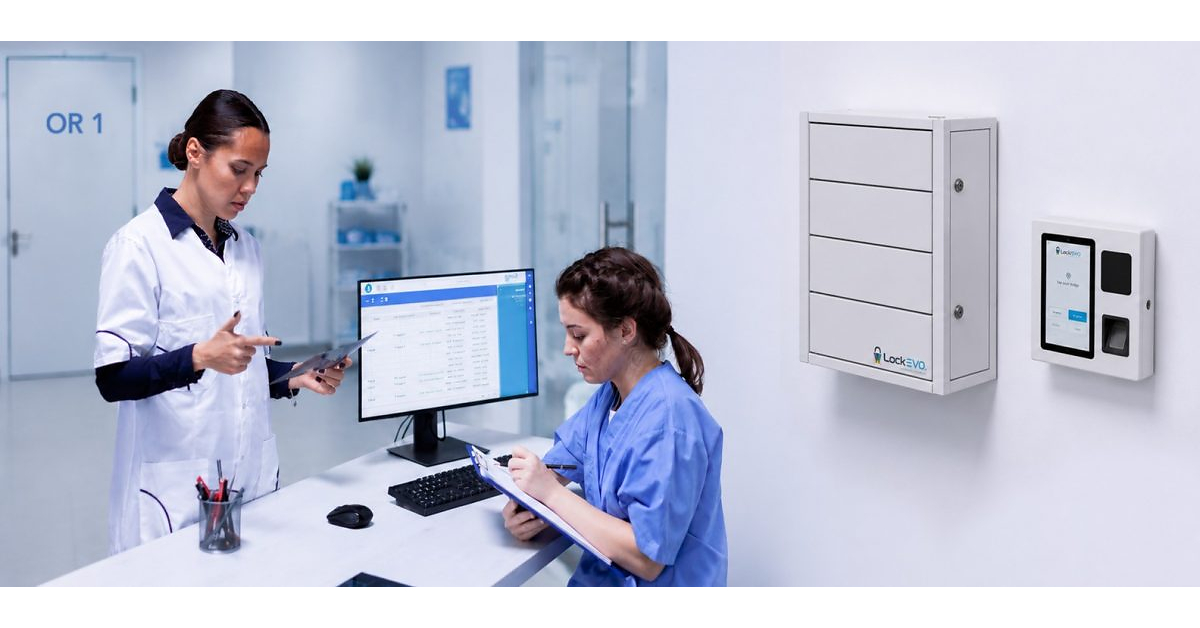
Waterloo Healthcare launched LockEVO, an integrated electronic locking, inventory management, and automated compliance/audit reporting platform for ambulatory surgery centers. The system adds badge/password user authentication, a permanent digital audit trail for cabinet access and removals, built-in controlled substance (DEA recordkeeping) tracking, real-time inventory alerts to prevent stockouts, and centralized management via a CommandHub. Overall, the release positions LockEVO as a workflow and compliance upgrade aimed at reducing administrative burden while improving security and accountability.
Analysis
This looks more like a margin-mix story than a near-term revenue event. If the platform gets embedded, the economics should be better than commodity cabinet sales: compliance software, audit trails, and centralized monitoring can support recurring revenue and higher gross margin, while also increasing switching costs once a site standardizes on one workflow. The catch is that ambulatory surgery centers are cost-sensitive and fragmented, so adoption usually lags the press release by 1-3 quarters unless there is a named channel partner or backlog disclosure.
The immediate winners are the vendor’s installed base and any ASC operators under DEA/inspection pressure; the second-order winner would be any supplier with serviceable recurring software revenue attached to hardware. The more interesting loser is not a single competitor but the legacy manual-process ecosystem: spreadsheets, standalone cabinets, and generic inventory tools that fail on auditability. Large incumbents like OMCL and BDX are probably insulated in hospitals, but a successful lightweight ASC product can nibble at the edge of their footprint if it proves cheaper and faster to deploy.
The market is likely overestimating the addressable near-term benefit. If this requires hardware replacement, implementation friction and capex budgets could stretch sales cycles; if it is software-led, the upside is real but may be too small to move the stock until management quantifies bookings or ARR. Falsifier: no evidence of conversion in the next earnings cycle, or any commentary that the launch is still pilot-only. The thesis weakens materially if there is no sequential improvement in recurring revenue or customer count by 1-2 quarters.
Contrarian view: compliance demand is durable, but that also means the problem is already well-known and often solved with incumbent workflows. The incremental TAM may be narrower than the release implies, so chasing the announcement is low edge unless management proves multi-site standardization. In other words, the product may be strategically important but financially immaterial today.
AllMind Terminal
AI-powered research, real-time alerts, and portfolio analytics for institutional investors.
Request TrialMarket Sentiment
Overall Sentiment
mildly positive
Sentiment Score
0.18
Ticker Sentiment
Key Decisions for Investors
- Do not chase HSMD on the launch headline; wait 1-2 quarters for quantified bookings, recurring revenue, or named ASC wins before underwriting upside.
- If HSMD spikes >5% on no fundamental follow-through, fade the move tactically into strength; the likely catalyst path is too long for a clean event trade.
- Use channel checks to test whether the platform is being adopted as a standardized ASC workflow; only add long exposure if deployments are multi-site and software revenue is explicitly disclosed.
- Monitor OMCL and BDX only as indirect read-throughs; a meaningful shift would require evidence that lighter-weight ASC compliance tools are displacing existing cabinet workflows.
More News
- Christine Lagarde: IMFC Statement
- Why did CoreWeave stock get crushed this week? Look to this corner of the debt market for clues
- Palantir patient data tech rejected by many NHS trusts in England
- Diageo's Toxic Spill Hits Pristine River in Scottish Whisky Country
- Stock fixing scandal could see Turkish companies frozen out of global indexes
- AI stock sell-off ramps up over debt-fueled data center spending fears: ‘Full-blown crisis of confidence'