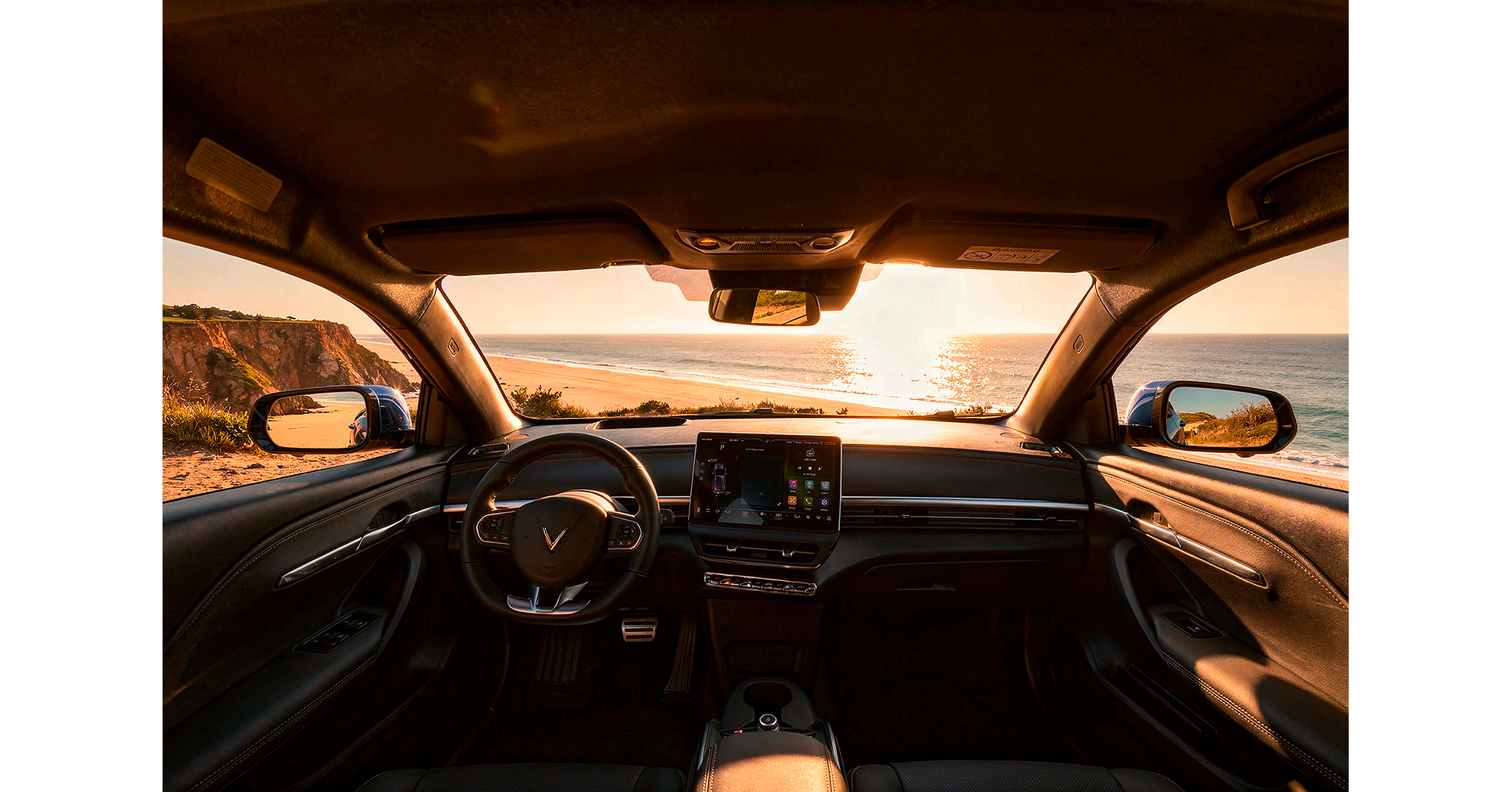
Le message central est que, pour l’achat de véhicules électriques en Europe, la priorité se déplace de l’autonomie vers l’« tranquillité d’esprit » à long terme (entretien, recharge et assistance). VinFast illustre cette approche avec des garanties annoncées à 7 ans/160 000 km pour le VF 6 et 10 ans/200 000 km pour le VF 8, ainsi que des partenariats après-vente (Norauto, Plugsurfing) et le développement de réseaux locaux en Europe. L’article est principalement promotionnel et ne fournit pas d’impact chiffré sur les résultats ou les marchés.
This reads less like a demand inflection and more like a cost-of-customer-acquisition strategy. In EVs, the battleground is shifting from spec-sheet differentiation to trust infrastructure, which means the winners are manufacturers with dense service footprints, inexpensive parts logistics, and a credible warranty reserve model; that structurally favors scaled incumbents over capital-constrained entrants. For a brand like VinFast, the signal is not “moat,” but willingness to subsidize adoption until reliability data catches up — a setup that can support unit growth while quietly pressuring gross margin, warranty accruals, and cash conversion over 6-18 months.
The first-order market impact is probably small because this is a promotional message, not a hard disclosure of claims experience or utilization rates. The second-order effect is more interesting: if European EV buyers increasingly value post-sale convenience, then dealer-heavy and service-dense names can defend share without matching the same warranty aggressiveness, while standalone EV disruptors may need to spend more on field service, parts inventory, and partner incentives just to stay credible. That makes this a relative-strength story in auto OEMs, not a standalone winner for VFS unless we see verified evidence of lower-than-expected warranty claims and faster repeat purchase rates.
Contrarian take: the market often treats long warranties as confidence; in low-scale EVs, they can be a tell that the company is buying time. The key falsifier is not branding but economics: if warranty reserves, service costs, or EU registration growth fail to improve over the next 1-3 quarters, the ecosystem narrative becomes a liability rather than an asset. If the company can show rising service attach rates and declining per-unit support costs, the thesis strengthens; otherwise this is mostly a marketing layer over a balance-sheet burden.
AI-powered research, real-time alerts, and portfolio analytics for institutional investors.
Request TrialOverall Sentiment
neutral
Sentiment Score
0.10
