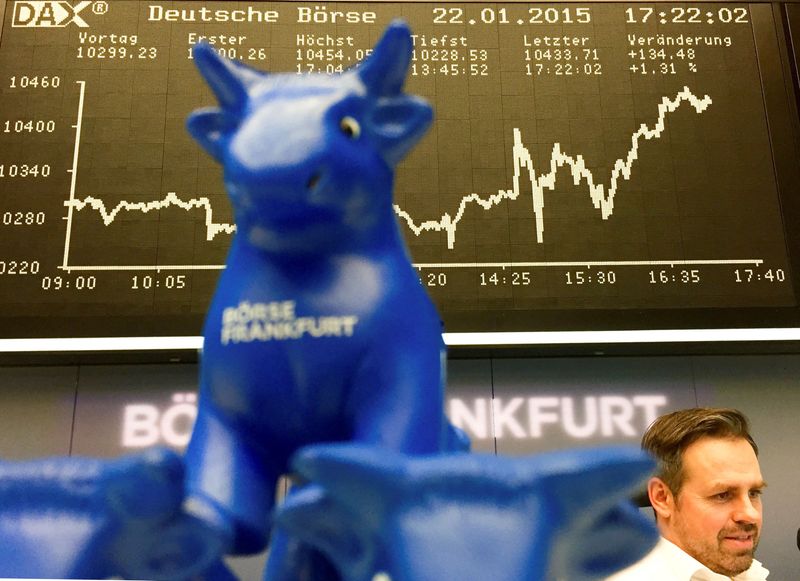
Brent crude surged 5.1% to $97.81 a barrel after renewed Israel-Iran strikes raised the risk of a broader Middle East conflict and potential energy supply disruption. European equities opened lower, with the Stoxx 600 down 0.9%, Germany's Dax off 1.3%, France's CAC 40 down 0.9%, and the FTSE 100 down 0.4%. The move also stoked inflation and rate-hike concerns, as markets weighed the ECB and Fed policy implications alongside weakness in chip and tech stocks.
The immediate market read-through is a classic inflation impulse, but the second-order effect is a broader cross-asset repricing of policy optionality: higher crude doesn’t just pressure headline CPI, it re-anchors breakeven inflation and raises the probability that central banks stay restrictive longer even if growth data softens. That is structurally bearish for long-duration equities and especially for high-multiple software/semicap names where valuation is most sensitive to discount-rate drift.
Within tech, the cleaner short is not broad beta but the most rate-sensitive cohort with stretched expectations and weak near-term earnings torque. AVGO is the most exposed of the cited names because its premium multiple depends on AI capex enthusiasm remaining self-funding; a geopolitical inflation shock can simultaneously hit sentiment, raise yields, and force customers to defend margins. SMCI and APP are less directly tied to rates in the data set, but they remain high-beta liquidity expressions that can underperform if the move morphs from one-day shock into a multi-week risk-off tape.
Energy winners are not just integrated producers; the more interesting beneficiaries are refinery-heavy and domestic logistics assets if crude volatility persists while product spreads widen. But if this escalates, the bigger macro risk is demand destruction and forced de-risking in crowded longs rather than an immediate collapse in equities; that makes the first 1-2 weeks the most dangerous period for positioning because volatility can stay elevated even if spot oil gives back some gains.
The consensus may be overestimating how much of this is a pure supply shock and underestimating the reflexive financial conditions channel. If oil holds near current levels for several weeks, the real damage shows up through higher real yields and lower terminal-rate optimism, which is negative for most cyclicals and semis before it materially changes 2026 earnings. Conversely, a quick diplomatic de-escalation would unwind a lot of the move fast, making fade entries in energy preferable only on confirmation that risk premiums are collapsing.
AI-powered research, real-time alerts, and portfolio analytics for institutional investors.
Request TrialOverall Sentiment
strongly negative
Sentiment Score
-0.62
Ticker Sentiment
