
Pokeworks Drives Texas Expansion Through Flexible Real Estate Strategy
Source: PR Newswire
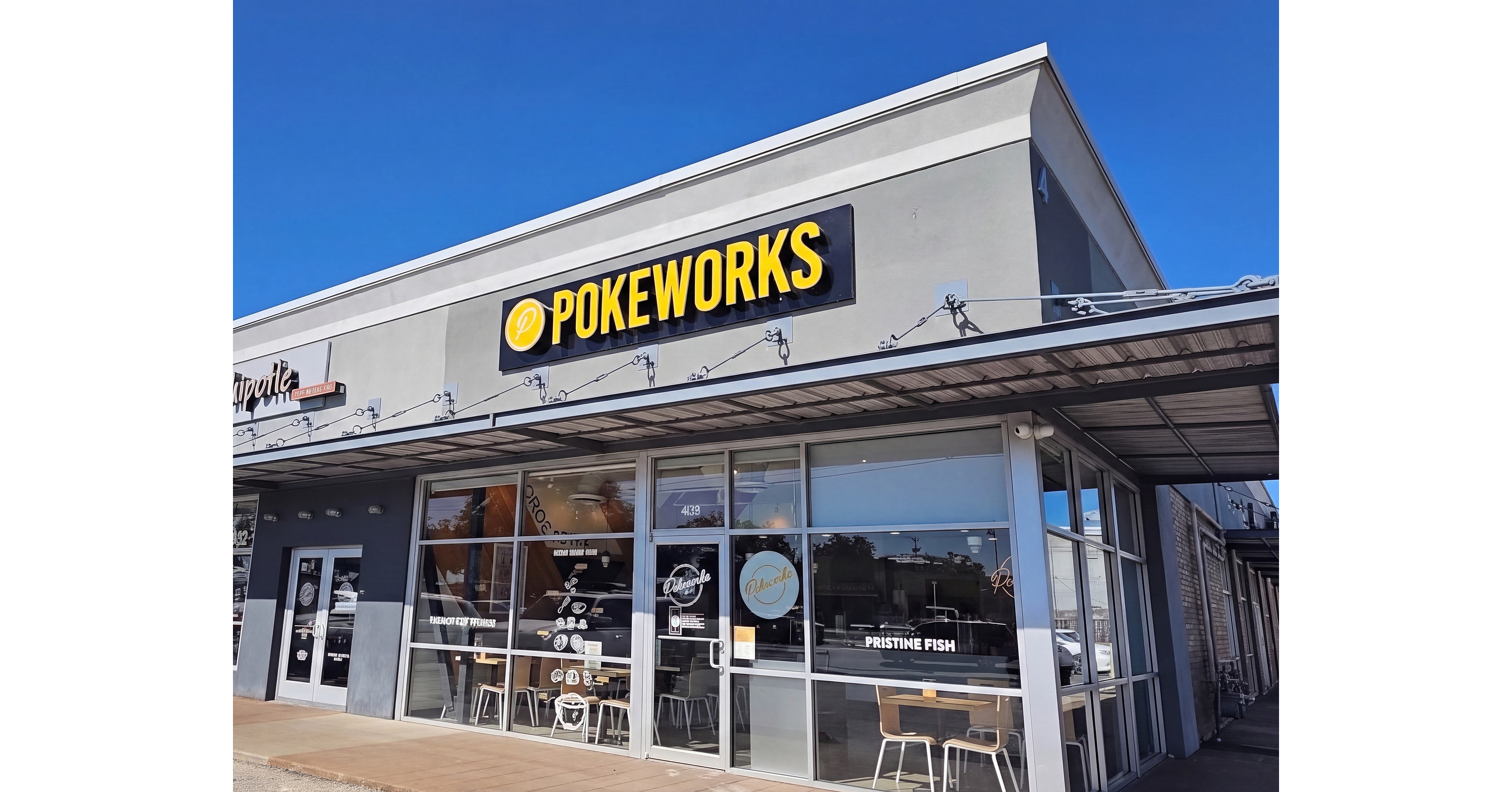
Pokeworks franchisees Carol and Marcos Blanco have six Austin-area locations open and plan to open their seventh in Round Rock by the end of 2026. The franchisees cite flexible site requirements and second-generation restaurant spaces as ways to make openings faster and more cost-effective; their Cedar Park location was converted in two months. The article also reports that Pokeworks has 85 locations across 22 states, Taiwan and Canada.
Analysis
The investable signal is about the cost and speed of restaurant rollout, not proof of stronger consumer demand. Reusing former food-service sites can reduce buildout friction and shorten the time before a unit generates sales; if repeatable, that could improve franchisee returns and make Pokeworks easier to grow than concepts requiring heavier kitchens. But the article offers a single-operator example and corporate promotional claims, not verified unit economics. Confirm buildout cost, opening-to-positive-cash-flow timing, sales and franchisee returns across a broader cohort before extrapolating.
Second-order effects cut both ways. More concepts can compete for the same second-generation sites, potentially raising rents or weakening lease concessions; a fast opening is not attractive if the location is poor or the franchisee overextends operational capacity. A concentrated Austin expansion also raises cannibalization and local execution risk. Fresh-food sourcing and cold-chain consistency remain potential constraints as locations scale, even when the kitchen footprint is small.
Near term, this is low materiality for public markets: Pokeworks is not mapped to a public ticker, and one planned opening is not a demand read-through for restaurant peers. Over 1–3 months, watch for broader evidence of franchise commitments and openings, alongside restaurant sales and leasing conditions. Over 6–18 months, the thesis strengthens only if multi-unit growth translates into durable franchisee economics rather than faster unit count alone. Falsifiers: delayed openings, weak comparable sales, franchisee distress, or disclosed unit returns that fail to support continued development. The contrarian point is that faster conversion can look like capital efficiency while obscuring site quality and returns; there is no basis here to price in a sector-wide growth premium.
AllMind Terminal
AI-powered research, real-time alerts, and portfolio analytics for institutional investors.
Request TrialMarket Sentiment
Overall Sentiment
mildly positive
Sentiment Score
0.20
Key Decisions for Investors
- No direct trade: the company is privately held and the announcement does not provide enough independently verifiable economics to justify a public-market proxy position.
- Treat this as a watch item for restaurant operators with flexible, low-buildout formats, not a buy signal. Reassess only with comparable data on buildout costs, opening timelines, sales and franchisee returns.
- Monitor Austin-area restaurant leasing, Pokeworks’ subsequent openings, and any evidence of same-market overlap or franchisee strain; those would test whether the rollout model scales beyond one experienced operator.
- Do not infer a broad consumer-demand or food-distribution catalyst from this release. Revisit the view if audited or consistently reported operating data show sustained unit-level returns alongside expansion.
More News
- SK Hynix third-quarter profit sharply beats estimates on AI memory boost
- SK Hynix Posts Record Profit Amid AI Rush
- Anthropic's IPO could be 'speculative fiction' or a 'generational moment' — investors are split
- Iran’s calculations as US escalation looms: Trust, midterms, Hormuz
- Anthropic Gives Traders a Pure-Play Bet on Frontier AI
- VCs will make billions on Anthropic’s IPO, but Amazon is set to make much (much) more